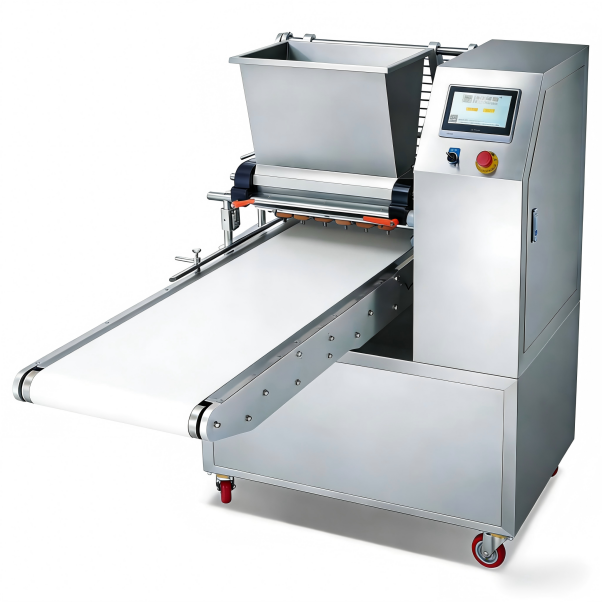
In today’s competitive manufacturing landscape, optimizing production costs is essential for staying ahead. One often overlooked area ripe for improvement is the use of raw materials in extrusion processes. A higher precision extruder can significantly reduce waste, leading to substantial savings. This article explores how much you could save by upgrading to a more precise extruder, examining the mechanics, calculations, and real-world implications. By understanding these factors, manufacturers can make informed decisions to enhance efficiency and profitability.
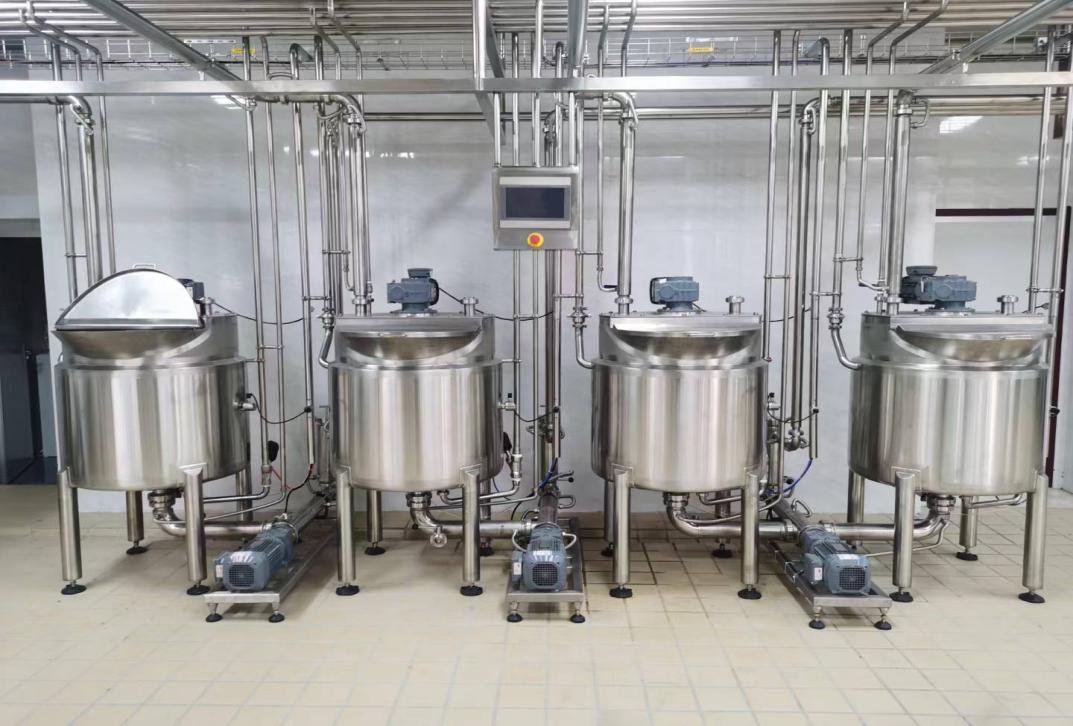
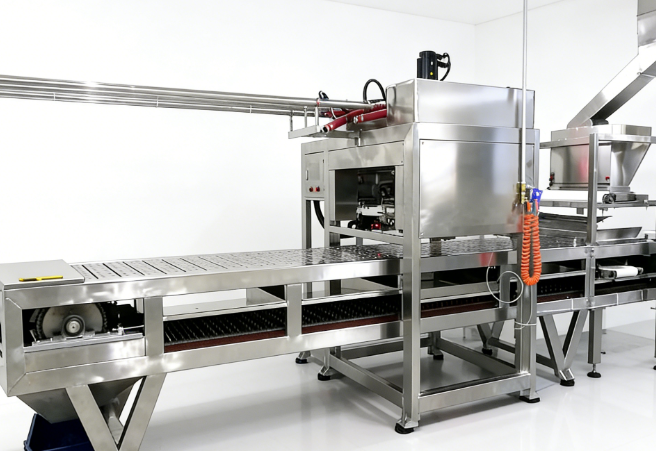
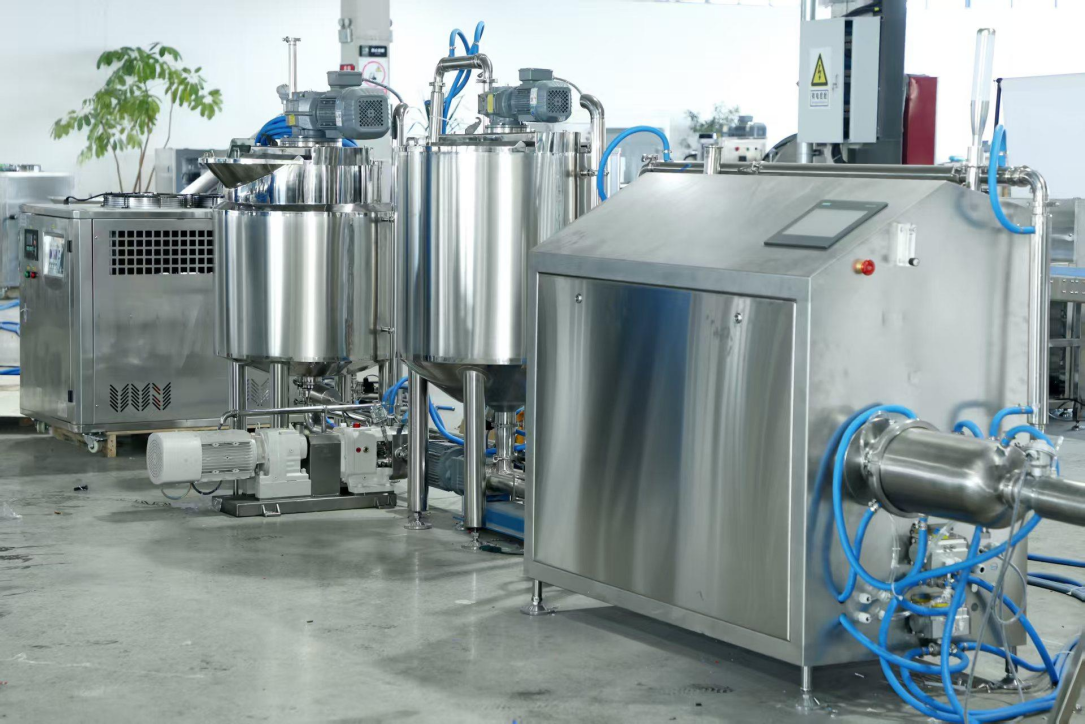
Extrusion is a fundamental process in industries like plastics, food, and pharmaceuticals, where raw materials are forced through a die to create products with specific cross-sections. Traditional extruders, while effective, often suffer from inconsistencies in temperature control, screw design, and dimensional accuracy. These issues result in material waste through defects such as uneven thicknesses, overhangs, or rejects. Higher precision extruders, equipped with advanced sensors, servo drives, and AI-driven controls, address these pain points, ensuring tighter tolerances and minimal scrap.
Table of Contents
Understanding Precision Extruders
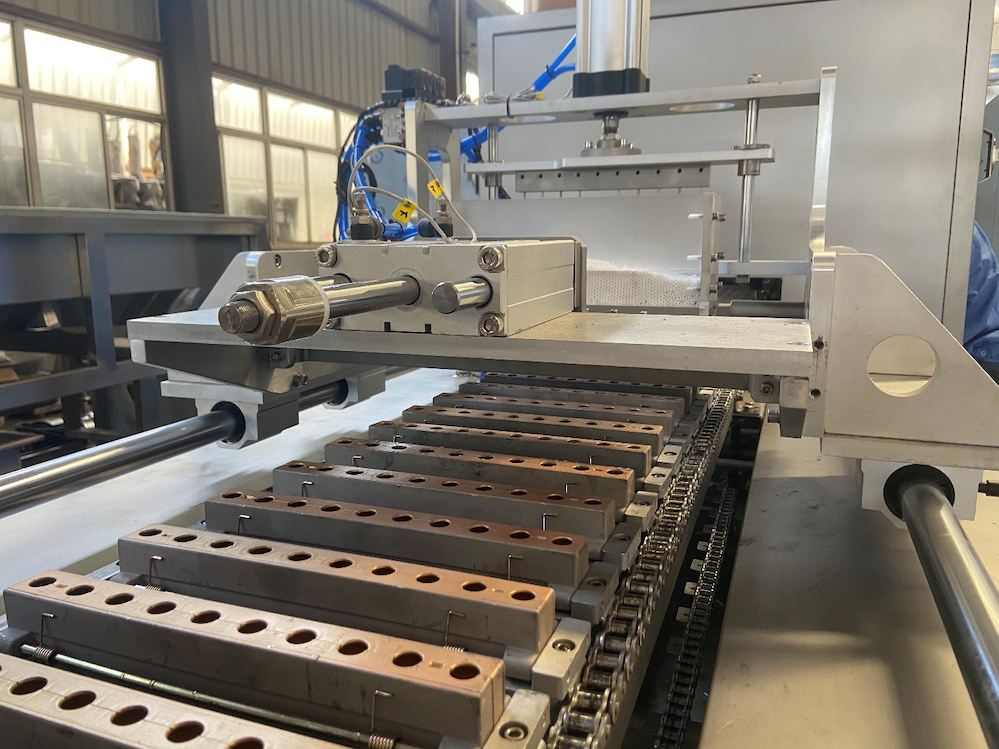
Precision extruders differ from standard models in their ability to maintain exact parameters throughout the process. For instance, they can achieve dimensional tolerances as fine as ±0.01 mm, compared to ±0.1 mm in conventional units. This level of accuracy stems from features like real-time feedback loops and predictive maintenance algorithms that prevent deviations before they cause waste.
Transitioning to such technology isn’t just about quality; it’s a direct path to cost reduction. Raw materials, often the largest variable expense in extrusion (accounting for 50-70% of production costs), become more efficiently utilized. As we delve deeper, we’ll see how this precision translates into tangible savings.
Impact of Precision on Material Waste
Material waste in extrusion primarily occurs during startups, shutdowns, color changes, and due to process instabilities. In low-precision setups, scrap rates can hover between 5-15%. Higher precision models reduce this to under 2%, primarily by stabilizing melt flow and die pressure.
To illustrate key factors contributing to waste reduction, consider the following list:
- Advanced temperature zoning: Ensures uniform heating, preventing thermal degradation.
- Precise screw speed control: Minimizes surging and starvation issues.
- Automated gauge control: Adjusts output in real-time to match specifications.
- Superior die design integration: Reduces end trims and edge bead formation.
These enhancements not only cut waste but also improve uptime, allowing for smoother transitions between production runs. Next, let’s quantify these benefits with concrete data.
Quantifying Potential Savings
Calculating savings involves assessing your current waste levels, production volume, and material costs. A simple formula is: Annual Savings = (Current Waste % – New Waste %) × Annual Material Usage × Material Cost per Unit.
For a clearer comparison, examine the table below, which models savings for a mid-sized plastics extruder operation producing 1,000 tons of product annually at $2,000 per ton material cost.
| Extruder Type | Average Waste % | Annual Waste Volume (tons) | Annual Waste Cost ($) | Potential Savings ($) |
|---|---|---|---|---|
| Standard | 10% | 100 | 200,000 | – |
| Medium Precision | 6% | 60 | 120,000 | 80,000 |
| High Precision | 2% | 20 | 40,000 | 160,000 |
This table demonstrates that upgrading to a high-precision extruder could yield $160,000 in annual savings on raw materials alone. For larger operations scaling to 10,000 tons, savings could exceed $1.6 million. Factors like energy efficiency further amplify returns, often paying back the investment in 12-24 months.
Moreover, as material prices fluctuate—plastics resins have risen 20% in recent years—these savings become even more critical. By inputting your specific data into similar models, you can customize projections for your facility.
Real World Case Studies
Leading manufacturers have already reaped these rewards. A packaging firm in Europe switched to precision extruders and reduced film waste by 8%, saving €250,000 yearly. Similarly, a North American pipe producer cut scrap from 12% to 3%, bolstering margins amid rising PVC costs.
These examples highlight a common theme: precision not only saves materials but enhances product quality, reducing customer returns. As supply chain disruptions persist, such optimizations provide resilience.
Implementation Considerations
Adopting a higher precision extruder requires evaluating compatibility with existing lines, staff training, and ROI analysis. Suppliers often offer trials or simulations to predict outcomes. Maintenance costs are lower due to predictive tech, ensuring long-term viability.
In summary, the move toward precision extrusion is a strategic imperative. From waste reduction to quality gains, the financial upside is compelling.
In conclusion, investing in a higher precision extruder can save 8-13% on raw materials, translating to tens or hundreds of thousands in annual savings depending on scale. As shown through mechanisms, data, and examples, the benefits far outweigh initial costs. Manufacturers ready to future-proof operations should conduct a waste audit and explore upgrades today. Precision isn’t a luxury—it’s a pathway to sustainable profitability in an era of rising input costs.
Our Products
-

Braided Rainbow Marshmallow Ropes Production Line: Best Making Machine Factory & Supplier
-

Bulk Industrial Topping Marshmallows Production Line: Best Making Machine Factory & Supplier
-

Center-filled Fruit Jam Marshmallows Production Line: Best Making Machine Factory & Supplier
-

Chocolate Coated Marshmallow Biscuits Production Line: Best Making Machine Factory & Supplier
-

Custom Shape Die-cut Marshmallows Production Line: Best Making Machine Factory & Supplier
-
Dehydrated Crunchy Micro Marshmallows for Cereal Production Line: Best Making Machine Factory & Supplier