Table of Contents
Introduction
In the fast-paced world of food manufacturing, multi-product lines offer undeniable efficiency, allowing companies to produce a variety of flavors and products on the same equipment. However, this versatility comes with a significant challenge: flavor cross-contamination. This occurs when residual flavors from one product inadvertently transfer to another, compromising taste profiles, brand integrity, and consumer satisfaction. Preventing such contamination is not just a quality control measure; it’s essential for regulatory compliance, cost savings, and maintaining market competitiveness. This article explores proven strategies to safeguard product purity in multi-product environments, drawing on industry best practices to guide manufacturers toward seamless operations.
Understanding Flavor Cross-Contamination
Flavor cross-contamination happens primarily through physical transfer via shared equipment surfaces, airborne particles, or even personnel handling. In multi-product lines, sticky residues from products like chocolates, spices, or fruity confections are notoriously persistent. Even trace amounts—parts per million—can alter the sensory experience of subsequent batches. For instance, a hint of mint in a vanilla cookie can ruin an entire run. Beyond sensory issues, it poses risks to allergen management and shelf-life stability. According to the FDA, improper controls contribute to thousands of recalls annually, underscoring the need for proactive prevention. By grasping these mechanisms, manufacturers can target interventions effectively.
Transitioning from awareness to action, let’s examine the foundational strategies that form the backbone of contamination prevention programs.
Strategic Production Scheduling
One of the simplest yet most effective defenses is intelligent scheduling. By sequencing production runs logically, companies minimize switches between incompatible flavors. For example, group similar profiles—like all citrus variants—together, followed by neutral products to act as buffers. This approach reduces cleaning frequency and downtime. Software tools, such as ERP systems integrated with AI forecasting, optimize sequences based on historical data, demand patterns, and cleanability indices. Implementing color-coded calendars further aids visual planning, ensuring teams adhere to protocols seamlessly.
While scheduling sets the stage, robust cleaning remains the cornerstone of prevention. In the next section, we detail a step-by-step protocol to ensure thorough sanitation.
Cleaning and Sanitation Protocols
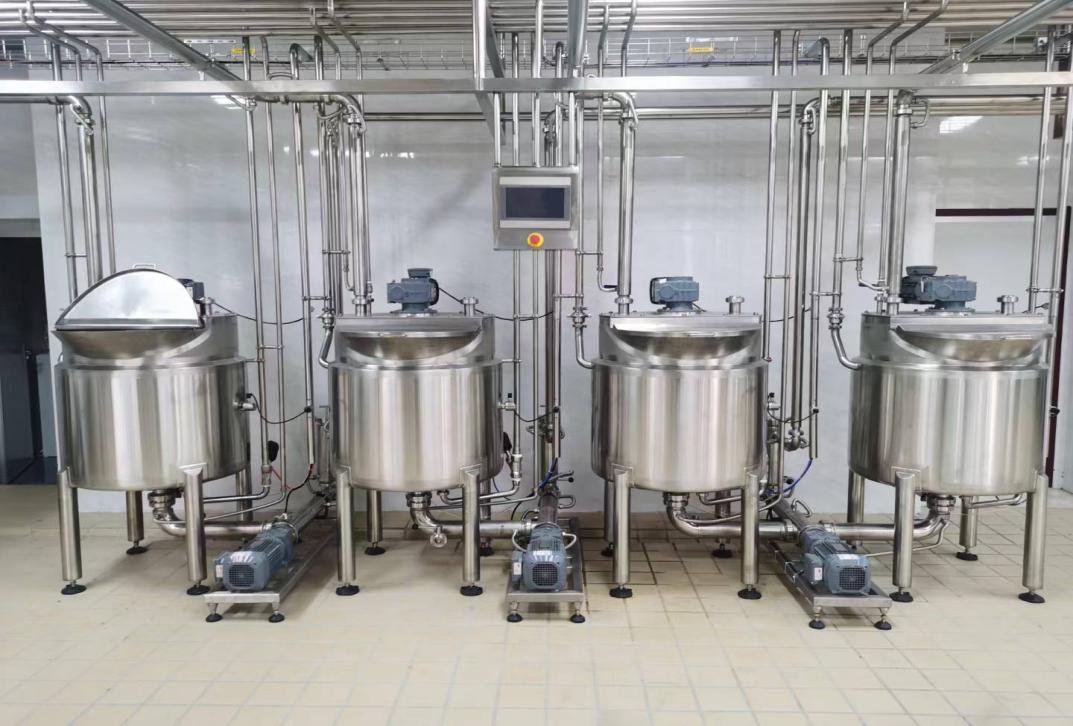
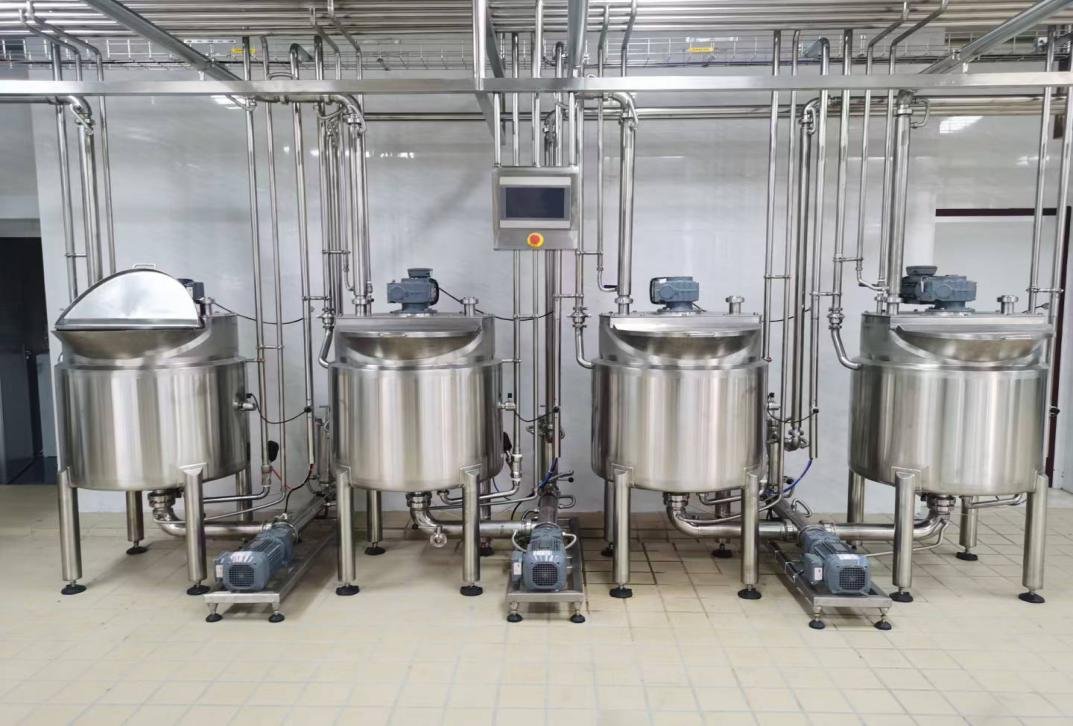
Cleaning in place (CIP) systems are vital for multi-product lines, automating the removal of residues without disassembly. These involve sequential rinses with water, detergents, sanitizers, and final purges. Validation through swabbing and ATP testing confirms efficacy, with microbial and flavor residue thresholds strictly monitored. Dry cleaning methods, like air blasts or vacuuming, suit powdered products, preventing moisture-induced clumping.
To provide a clear roadmap, here is an ordered list of essential CIP steps:
- Pre-rinse with potable water to remove gross soils at 40-60°C.
- Apply alkaline detergent solution, recirculating for 10-20 minutes at 70-80°C.
- Intermediate rinse to neutralize residues.
- Acid wash for mineral scale removal, followed by sanitization with peracetic acid or chlorine.
- Final air or water purge, verifying dryness.
- Conduct swab tests; re-clean if limits exceeded.
Following these steps diligently transitions operations to the role of equipment design in long-term prevention.
Equipment Design and Modifications
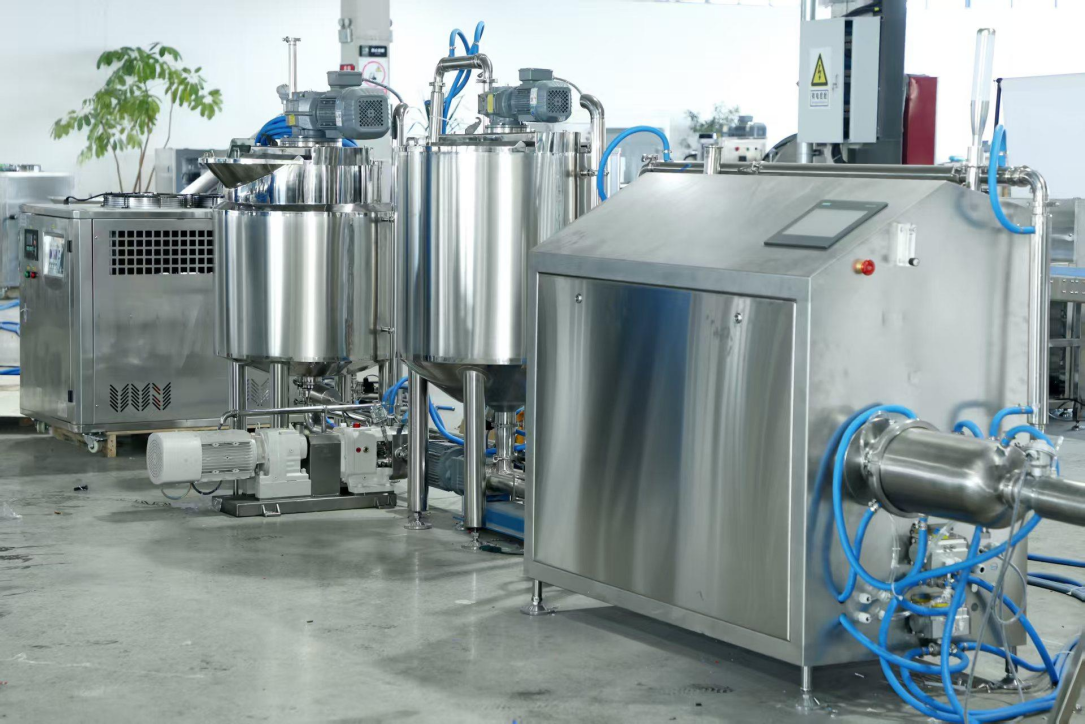
Modern equipment minimizes traps where flavors linger. Open-frame designs, smooth welds, and sloped surfaces facilitate drainage and access. Dedicated flavor-feed lines or quick-changeover valves reduce shared paths. For high-risk lines, modular tooling allows flavor-specific components to be swapped swiftly. Retrofitting existing setups with magnetic separators for particulates or HEPA-filtered air systems curbs airborne transfer. Investing upfront in hygienic design per 3-A standards yields ROI through fewer cleanings and rejects.
Personnel Training and Monitoring
Human factors account for up to 30% of contamination incidents, per industry audits. Comprehensive training programs—covering hygiene, gowning, and procedural adherence—empower staff. Use of dedicated tools per product type, foot-operated pedals, and no-touch interfaces limit hand-contact. Real-time monitoring via sensors detects anomalies instantly, triggering alerts. Regular audits and simulations keep skills sharp, fostering a culture of vigilance.
To compare prevention methods quantitatively, the following table outlines key approaches, their effectiveness, implementation costs, and applicability:
| Method | Effectiveness (Risk Reduction %) | Implementation Cost | Best For |
|---|---|---|---|
| Production Scheduling | 40-60% | Low | All lines |
| CIP Systems | 70-90% | Medium-High | Liquid products |
| Equipment Redesign | 80-95% | High | New installations |
| Training Programs | 20-50% | Low | High-turnover sites |
This data, derived from case studies by the Grocery Manufacturers Association, highlights synergies when methods are combined. As we integrate these elements, sensory verification emerges as the final safeguard.
Sensory and Analytical Verification
Post-cleaning, organoleptic panels trained to detect off-notes provide a human benchmark, complementing lab analyses like GC-MS for volatile compounds. Inline taste sensors offer continuous feedback, halting production if thresholds breach. Trend analysis from these tools refines protocols iteratively, ensuring evolving product lines remain protected.
Conclusion
Preventing flavor cross-contamination in multi-product lines demands a multifaceted approach: from meticulous scheduling and CIP regimens to innovative equipment and vigilant teams. By embedding these strategies—supported by verification tools—manufacturers not only avert costly disruptions but elevate product excellence. As consumer expectations for purity intensify amid global supply chains, proactive investment in these measures secures a competitive edge. Ultimately, clean transitions between flavors translate to uncompromised taste, loyal customers, and sustainable growth. Embrace these practices today for tomorrow’s success.
Our Products
-

Braided Rainbow Marshmallow Ropes Production Line: Best Making Machine Factory & Supplier
-

Bulk Industrial Topping Marshmallows Production Line: Best Making Machine Factory & Supplier
-

Center-filled Fruit Jam Marshmallows Production Line: Best Making Machine Factory & Supplier
-

Chocolate Coated Marshmallow Biscuits Production Line: Best Making Machine Factory & Supplier
-

Custom Shape Die-cut Marshmallows Production Line: Best Making Machine Factory & Supplier
-
Dehydrated Crunchy Micro Marshmallows for Cereal Production Line: Best Making Machine Factory & Supplier