Table of Contents
Introduction
In the competitive world of large-scale candy production, maintaining the quality and safety of raw ingredients is paramount. From sugar and chocolate to nuts and flavorings, these materials are vulnerable to degradation if not stored properly. Poor storage can lead to spoilage, contamination, or loss of flavor, resulting in product recalls, financial losses, and damage to brand reputation. Conversely, optimal storage practices ensure ingredient integrity, extend shelf life, and streamline production processes. This article explores the best ways to store raw ingredients for large-scale candy manufacturing, drawing on industry standards and expert recommendations. By addressing environmental controls, equipment choices, and best practices, producers can achieve efficiency and compliance.
Common Raw Ingredients and Their Storage Challenges
Candy production relies on a diverse array of raw materials, each with unique storage needs. Sugars, such as granulated sucrose or glucose syrup, are prone to clumping in humid environments. Chocolate and cocoa require stable temperatures to prevent blooming or fat separation. Nuts and dried fruits demand protection from pests and oxidation, while liquid flavorings like essential oils need airtight containment to preserve potency. Gelatin and pectin, used in gummies, are sensitive to moisture and temperature fluctuations. Understanding these challenges is the first step toward effective storage. As production scales to thousands of tons annually, improper handling can amplify risks exponentially, making precision essential.
Key Environmental Factors for Storage
To preserve ingredient quality, controlling environmental factors is crucial. Temperature regulation prevents enzymatic reactions and microbial growth; for instance, most dry ingredients thrive between 10-20°C (50-68°F). Humidity control is vital, especially below 60% relative humidity (RH) to avoid moisture absorption. Light exposure accelerates oxidation in fats and colors, so dark storage is ideal. Ventilation minimizes mold risks without introducing contaminants, and pest control through sealed systems is non-negotiable. Monitoring these via sensors provides real-time data, allowing proactive adjustments. Transitioning from these basics, let’s examine specific conditions through a structured overview.
The following table outlines optimal storage parameters for common candy ingredients:
| Ingredient | Temperature (°C) | Humidity (% RH) | Additional Notes |
|---|---|---|---|
| Sugar/Glucose Syrup | 15-20 | <55 | Airtight silos to prevent clumping |
| Chocolate/Cocoa | 12-18 | 45-55 | Dark, vibration-free storage |
| Nuts/Dried Fruits | 10-15 | <50 | Vacuum-sealed or nitrogen-flushed |
| Gelatin/Pectin | 18-22 | <60 | Dry, cool environment |
| Flavor Oils | 5-15 | N/A | Refrigerated, opaque containers |
Recommended Storage Methods and Equipment
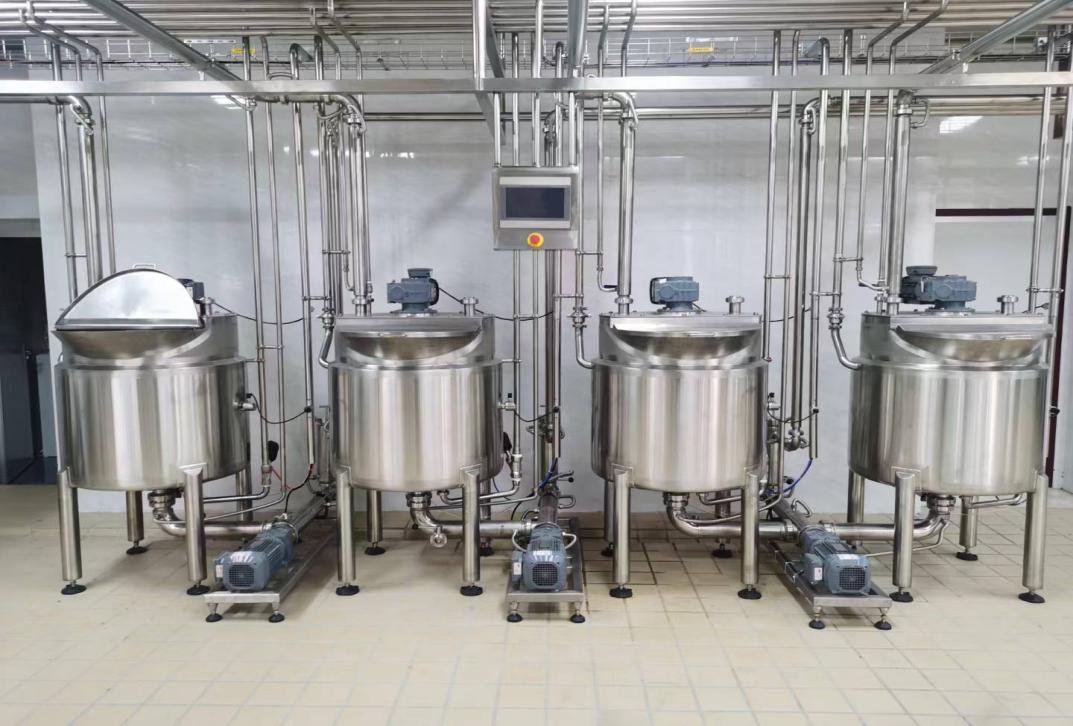
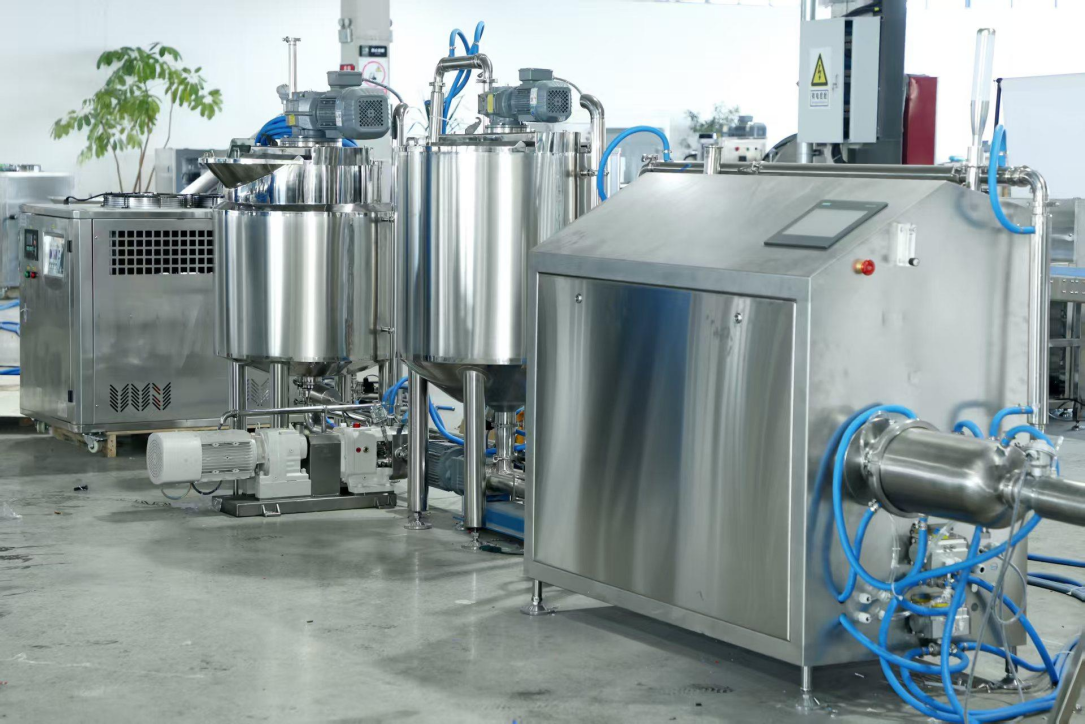
For large-scale operations, bulk storage solutions outperform small-scale methods. Dry ingredients like sugar benefit from stainless steel silos with automated temperature and humidity controls, holding up to 100 tons each. Liquids such as syrups require insulated tanks with agitation systems to prevent settling and contamination via double-walled designs. Chocolate demands specialized melting and tempering storage units. Pallet racking in climate-controlled warehouses organizes smaller batches efficiently. FIFO (First In, First Out) inventory rotation, enforced by labeling and software, prevents aging. As we move to implementation, a structured approach ensures consistency.
Best Practices for Implementation
Adopting best practices elevates storage from reactive to proactive. Here is an ordered list of steps for establishing an optimal system:
- Conduct a facility audit to assess current storage capabilities and identify vulnerabilities.
- Invest in automated monitoring systems with IoT sensors for real-time alerts on temperature, humidity, and inventory levels.
- Segregate ingredients by category in dedicated zones to minimize cross-contamination risks.
- Implement regular cleaning schedules using food-grade sanitizers and pest management programs.
- Train staff on handling protocols, emphasizing PPE and documentation for traceability.
- Partner with suppliers for just-in-time delivery to reduce long-term storage needs.
- Audit compliance annually against standards like HACCP, FDA, or ISO 22000.
These steps, when integrated, foster a seamless workflow. Furthermore, advanced technologies like RFID tracking and AI predictive analytics enhance precision, reducing waste by up to 20% according to industry benchmarks.
Regulatory Compliance and Sustainability
Compliance with regulations such as the FDA’s Food Safety Modernization Act (FSMA) or EU HACCP mandates rigorous storage protocols. Documentation of conditions, batch testing, and recall readiness are obligatory. Beyond compliance, sustainable practices—such as energy-efficient cooling and recyclable packaging—align with consumer demands. Solar-powered warehouses and biodegradable liners exemplify how efficiency meets environmental responsibility. By prioritizing these, producers not only mitigate risks but also gain competitive edges through certifications like BRC Global Standard.
Conclusion
In summary, the best way to store raw ingredients for large-scale candy production combines precise environmental controls, specialized equipment like silos and tanks, and rigorous best practices outlined in structured protocols. By leveraging tables of optimal conditions and ordered implementation steps, facilities can safeguard quality, ensure safety, and boost efficiency. Ultimately, investing in superior storage translates to superior products, cost savings, and sustained growth in a demanding industry. Forward-thinking manufacturers who adapt these strategies will thrive, delivering consistent excellence to consumers worldwide.
Our Products
-

Braided Rainbow Marshmallow Ropes Production Line: Best Making Machine Factory & Supplier
-

Bulk Industrial Topping Marshmallows Production Line: Best Making Machine Factory & Supplier
-

Center-filled Fruit Jam Marshmallows Production Line: Best Making Machine Factory & Supplier
-

Chocolate Coated Marshmallow Biscuits Production Line: Best Making Machine Factory & Supplier
-

Custom Shape Die-cut Marshmallows Production Line: Best Making Machine Factory & Supplier
-
Dehydrated Crunchy Micro Marshmallows for Cereal Production Line: Best Making Machine Factory & Supplier