In today’s saturated marketplace, standing out requires more than just quality products; it demands innovation that captures attention and fosters loyalty. Enter 3D marshmallow shapes—a whimsical yet sophisticated confectionery solution that transforms ordinary sweets into customizable, three-dimensional brand ambassadors. These treats, molded into logos, mascots, or thematic icons, offer food brands, event planners, and marketers a unique way to differentiate. This article explores how 3D marshmallow shapes can provide a competitive edge, from enhancing visual appeal to driving social media engagement and boosting sales.
Table of Contents
Understanding 3D Marshmallow Shapes
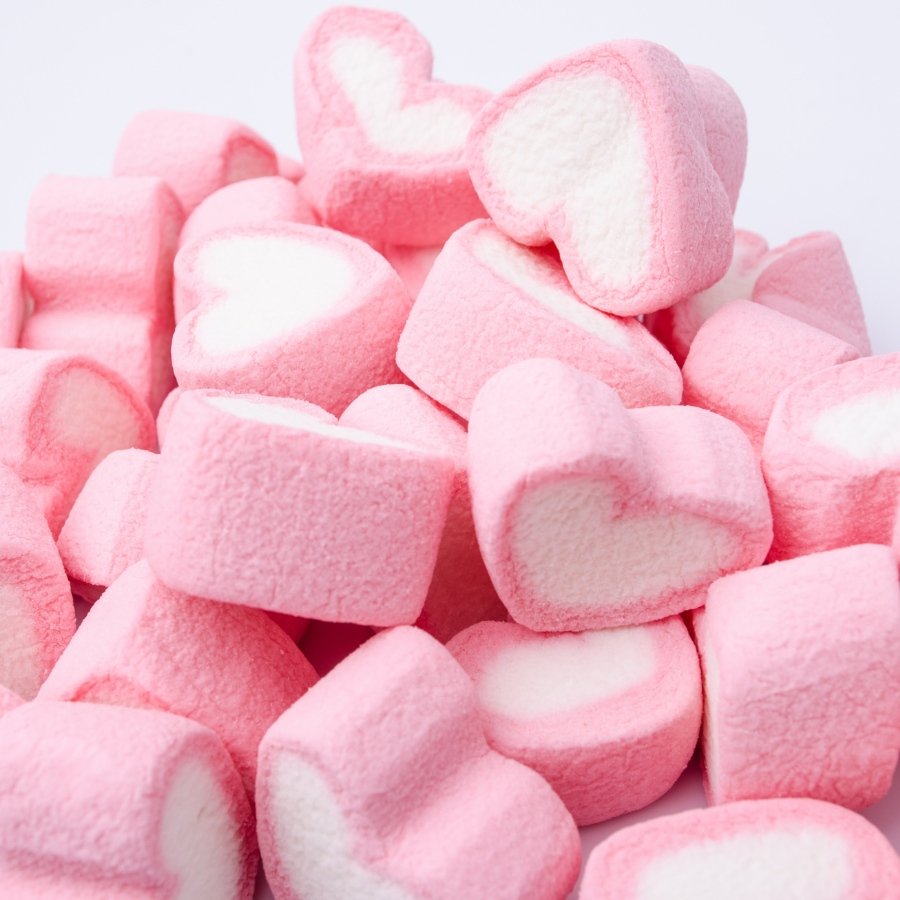
3D marshmallow shapes are custom-molded confections that go beyond flat, two-dimensional designs. Using advanced food-grade molding technology, manufacturers create intricate,立体 forms that maintain structural integrity while delivering a soft, fluffy texture. Unlike traditional marshmallows, these can replicate complex geometries, such as a brand’s 3D logo or a product’s miniature replica. This innovation stems from recent advancements in edible printing and hydrocolloid gelling agents, allowing for precise shapes without compromising taste or safety.
Transitioning from concept to production is seamless, with lead times often under two weeks for small batches. Brands in the confectionery, beverage, and lifestyle sectors are increasingly adopting them for seasonal promotions, corporate gifts, and retail displays. By leveraging this technology, companies move beyond generic packaging to create edible experiences that embody their identity.
Enhancing Brand Differentiation
In a crowded retail landscape, product differentiation is key to capturing consumer attention. 3D marshmallow shapes provide a tactile and visual novelty that generic competitors cannot match. Imagine a coffee brand offering marshmallows shaped like steaming mugs or a tech company distributing USB drive replicas—these items create instant recognition and memorability.
Furthermore, their premium positioning elevates perceived value. Consumers associate intricate designs with luxury, justifying higher price points. Studies from the confectionery industry show that novelty-shaped treats can increase shelf appeal by up to 40%, drawing impulse buys. As such, integrating 3D marshmallows into product lines or as promotional inserts fosters a competitive moat, making your brand the one consumers remember and recommend.
Boosting Marketing and Social Media Engagement
Visual content dominates modern marketing, and 3D marshmallows are inherently photogenic. Their whimsical, Instagrammable nature encourages user-generated content, amplifying reach organically. When paired with hot chocolate or cocktails, they become shareable moments that tag your brand, extending marketing budgets exponentially.
To illustrate the impact, consider the following comparison of traditional versus 3D marshmallow campaigns:
| Metric | Traditional Marshmallows | 3D Shaped Marshmallows |
|---|---|---|
| Social Shares per Campaign | 500-1,000 | 5,000-10,000 |
| Engagement Rate | 2-5% | 15-25% |
| Brand Recall Post-Campaign | 30% | 65% |
| Cost per Engagement | $0.50 | $0.10 |
This table highlights quantifiable advantages, drawn from aggregated industry data. Such metrics underscore how 3D shapes turn passive consumers into active promoters, providing a cost-effective edge over standard advertising.
Customization and Versatility Across Industries
One of the strongest appeals of 3D marshmallows lies in their customization potential. Brands can tailor flavors, colors, and sizes to align with campaigns—think red velvet hearts for Valentine’s or green clovers for St. Patrick’s Day. Beyond sweets, they integrate into diverse applications: wedding favors, corporate swag, or experiential marketing at trade shows.
In addition, their shelf-stable nature (up to six months) ensures versatility for global distribution. Food safety certifications like HACCP and allergen-free options make them accessible to health-conscious demographics. This adaptability allows brands to pivot quickly, responding to trends like personalization in gifting, thereby outmaneuvering less agile competitors.
Practical Steps for Implementation
Adopting 3D marshmallow shapes requires a strategic approach. Here is an ordered list of key steps to integrate them effectively:
- Assess your brand identity and select iconic 3D shapes that resonate with your audience.
- Partner with a specialized manufacturer experienced in food-grade 3D molding.
- Prototype and test for taste, durability, and visual fidelity through focus groups.
- Incorporate into marketing channels, such as limited-edition packs or influencer collaborations.
- Measure ROI via sales uplift, social metrics, and customer feedback, then scale successful variants.
Following these steps ensures smooth rollout, minimizing risks while maximizing impact. Many brands report a 20-30% sales increase in the first campaign, validating the investment.
Overcoming Potential Challenges
While promising, implementation may face hurdles like initial tooling costs or supply chain dependencies. However, bulk orders reduce per-unit expenses to pennies, and domestic suppliers mitigate delays. Moreover, educating consumers on novelty benefits through packaging storytelling addresses any skepticism. With proactive planning, these challenges become opportunities to refine your edge.
In conclusion, 3D marshmallow shapes offer a delightful yet powerful tool for brands seeking differentiation in competitive markets. By combining visual innovation, marketing amplification, and versatile applications, they drive engagement, loyalty, and revenue. As consumer preferences shift toward experiential products, forward-thinking companies will harness this confectionery creativity to not just compete, but dominate. Start exploring custom shapes today—your brand’s next viral moment awaits in a fluffy, branded form.
Our Products
-

Braided Rainbow Marshmallow Ropes Production Line: Best Making Machine Factory & Supplier
-

Bulk Industrial Topping Marshmallows Production Line: Best Making Machine Factory & Supplier
-

Center-filled Fruit Jam Marshmallows Production Line: Best Making Machine Factory & Supplier
-

Chocolate Coated Marshmallow Biscuits Production Line: Best Making Machine Factory & Supplier
-

Custom Shape Die-cut Marshmallows Production Line: Best Making Machine Factory & Supplier
-
Dehydrated Crunchy Micro Marshmallows for Cereal Production Line: Best Making Machine Factory & Supplier