Table of Contents
Introduction
In today’s globalized food industry, adapting production lines to meet Halal and Kosher standards is not just a niche requirement but a strategic imperative for manufacturers seeking to access lucrative markets. Halal certification appeals to over 1.8 billion Muslims worldwide, while Kosher standards serve more than 15 million observant Jews and extend to broader health-conscious consumers. Both certifications demand rigorous adherence to religious dietary laws, focusing on permissible ingredients, ethical slaughter, and contamination prevention. Successfully adapting your production line can expand market reach, enhance brand reputation, and boost revenue. This article outlines practical steps to align your operations with these standards, ensuring compliance without compromising efficiency.
Understanding Halal and Kosher Standards
Halal, derived from Arabic meaning “permissible,” follows Islamic principles outlined in the Quran and Hadith. It prohibits pork, alcohol, carnivorous animals, and anything contaminated by them, requiring animals to be slaughtered by a Muslim with a specific prayer and method ensuring minimal suffering. Kosher, from Hebrew meaning “fit” or “proper,” adheres to Jewish Kashrut laws in the Torah. It forbids pork, shellfish, mixing meat and dairy, and mandates specific slaughter (shechita) by a trained Jew using a sharp blade.
Both standards emphasize traceability, hygiene, and separation, but their nuances require tailored adaptations. Transitioning to dual certification is increasingly common, allowing producers to serve diverse demographics efficiently.
Key Differences and Similarities
While similarities exist in prohibiting certain animals and stressing cleanliness, differences impact production profoundly. For instance, Kosher allows gelatin from non-mammalian sources if processed correctly, whereas Halal strictly bans any porcine derivatives. Kosher’s meat-dairy separation contrasts with Halal’s focus on alcohol avoidance. A comparative overview highlights adaptation priorities:
| Aspect | Halal | Kosher |
|---|---|---|
| Slaughter Method | Zabiha by Muslim | Shechita by Jew |
| Prohibited Ingredients | Pork, alcohol, blood | Pork, shellfish, meat-dairy mix |
| Equipment Cleaning | Triple wash or disassembly | Kashering (e.g., libun, hagalah) |
| Certification Agencies | IFANCA, HFSAA | OU, OK, Star-K |
This table underscores the need for precise protocols. By addressing these, manufacturers can streamline compliance for both.
Assessing Your Current Production Line
Begin with a comprehensive audit. Engage certified experts from Halal and Kosher bodies to evaluate your facility. Identify cross-contamination risks, such as shared equipment for meat and dairy in Kosher setups or non-Halal ingredients. Review supplier lists for traceability and document existing processes. This baseline assessment reveals gaps, from layout inefficiencies to inadequate sanitation, paving the way for targeted modifications. Moreover, it informs cost projections, often revealing that adaptations yield long-term savings through premium pricing.
Modifications for Equipment and Facilities
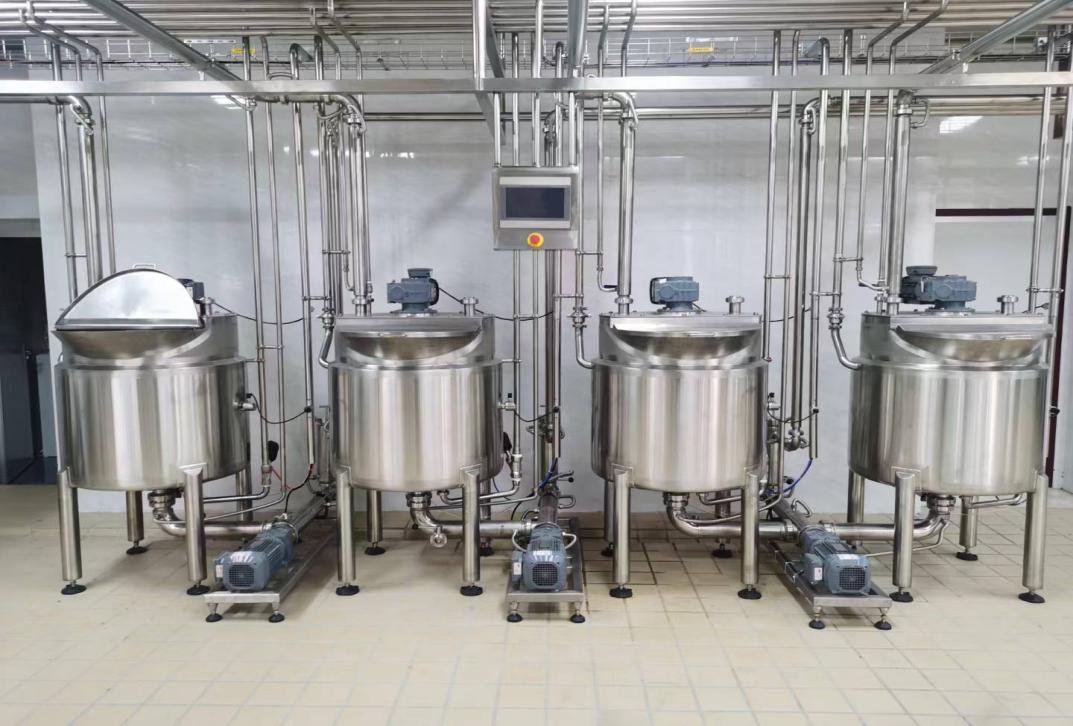
Physical changes form the backbone of adaptation. Segregate lines for meat, dairy (Kosher), or potential contaminants (Halal). Install dedicated pipelines, color-coded tools, and air curtains to prevent airborne particles. For multi-purpose equipment, ensure easy disassembly for cleaning. Key steps include:
- Conduct a facility mapping to zone production areas.
- Upgrade to stainless steel surfaces resistant to kashering or triple-washing.
- Implement dedicated storage for certified ingredients.
- Install HEPA filters and positive pressure systems for sterile zones.
These modifications, while initially capital-intensive, enhance versatility and reduce downtime. Transitional planning, such as phased rollouts, minimizes disruptions.
Ingredient Sourcing and Supplier Verification
Source from pre-certified suppliers to simplify compliance. Verify certificates for each batch, using blockchain for traceability ensures authenticity. For Halal, avoid enzymes from porcine sources; for Kosher, confirm pareve status for neutral products. Build relationships with vetted vendors and conduct periodic audits. This proactive approach not only meets standards but mitigates supply chain risks, ensuring uninterrupted production.
Implementing Cleaning and Sanitation Protocols
Cleaning regimes differ markedly. Halal requires thorough washing to remove haram residues, often involving alkaline detergents and hot water. Kosher demands kashering methods like hagalah (boiling) for utensils or libun (flaming) for intense heat resistance. Develop SOPs with validation via ATP swabbing or microscopy. Schedule kashering before product switches, logging each procedure. Automated CIP (Clean-In-Place) systems accelerate this, bridging Halal and Kosher needs seamlessly.
Staff Training and Certification Processes
Empower your workforce through rigorous training. Partner with certifying agencies for workshops on slaughter oversight, labeling, and documentation. Rabbis or Imams may supervise initial runs. Role-specific modules ensure adherence, from operators identifying non-compliant batches to managers handling audits. Ongoing refreshers maintain vigilance, fostering a culture of compliance that extends beyond regulations to quality excellence.
Monitoring and Continuous Compliance
Certification is not a one-time event; it’s perpetual. Establish internal audits, mock inspections, and digital tracking systems for real-time monitoring. Respond swiftly to deviations, retraining as needed. Annual recertifications validate adaptations, while consumer feedback loops refine processes. Leveraging software for lot tracing enhances recall readiness, solidifying trust.
Conclusion
Adapting your production line for Halal and Kosher standards demands foresight, investment, and commitment, yet the rewards—market expansion, premium pricing, and ethical alignment—are substantial. By auditing facilities, modifying equipment, sourcing carefully, training staff, and monitoring rigorously, manufacturers position themselves as global leaders. Embrace these changes not as hurdles but as opportunities to thrive in diverse marketplaces. Consult certified experts today to embark on this transformative journey.
Our Products
-

Braided Rainbow Marshmallow Ropes Production Line: Best Making Machine Factory & Supplier
-

Bulk Industrial Topping Marshmallows Production Line: Best Making Machine Factory & Supplier
-

Center-filled Fruit Jam Marshmallows Production Line: Best Making Machine Factory & Supplier
-

Chocolate Coated Marshmallow Biscuits Production Line: Best Making Machine Factory & Supplier
-

Custom Shape Die-cut Marshmallows Production Line: Best Making Machine Factory & Supplier
-
Dehydrated Crunchy Micro Marshmallows for Cereal Production Line: Best Making Machine Factory & Supplier