Table of Contents
Introduction
In the ever-evolving confectionery industry, where consumer preferences shift toward premium, artisanal experiences, gourmet marshmallows stand out as an unexpected yet promising contender. No longer confined to s’mores and hot cocoa toppers, these elevated treats—infused with exotic flavors, natural ingredients, and innovative textures—are capturing the attention of discerning palates worldwide. For industrial producers, this niche represents a lucrative opportunity to diversify portfolios, leverage scalable manufacturing, and tap into high-margin markets. As demand surges, understanding why gourmet marshmallows could be the next big breakthrough is essential. This article explores market dynamics, consumer trends, production advantages, and strategic pathways forward, revealing the potential for substantial growth.
Exploding Market Demand
The global marshmallow market, valued at approximately $2.5 billion in 2023, is projected to grow at a compound annual growth rate (CAGR) of 5.2% through 2030, according to industry reports from Grand View Research. While traditional marshmallows dominate volume sales, the gourmet segment is outpacing this growth, with premium variants expected to achieve double-digit CAGRs. This surge is fueled by the premiumization trend, where consumers are willing to pay 2-3 times more for superior quality. In the U.S. alone, specialty confectionery sales rose 15% year-over-year in 2024, with gourmet marshmallows featured prominently in gourmet shops, online platforms, and subscription boxes.
Transitioning from novelty to staple, these products benefit from their versatility. They appear in fine dining desserts, cocktail garnishes, and even health-focused snacks, broadening their appeal. Industrial producers, equipped with high-volume capabilities, are uniquely positioned to scale this demand without compromising the artisanal allure that defines gourmet appeal.
Shifting Consumer Preferences
Modern consumers prioritize indulgence with purpose. Health-conscious millennials and Gen Z shoppers seek natural, low-sugar, or functional ingredients—think matcha-infused, vegan, or collagen-enriched marshmallows. A 2023 Nielsen survey indicated that 62% of consumers prefer products with clean labels, driving innovation in gourmet formulations. Simultaneously, the experiential aspect thrives: visually stunning, Instagram-worthy marshmallows in flavors like lavender-honey or salted caramel resonate with social media-savvy audiences.
This evolution creates a bridge between craft and scale. While small-batch artisans set trends, they struggle with supply constraints. Industrial producers can replicate these hits at volume, ensuring consistent quality and wider distribution through retailers like Whole Foods or Amazon.
Production Advantages for Industrial Scale
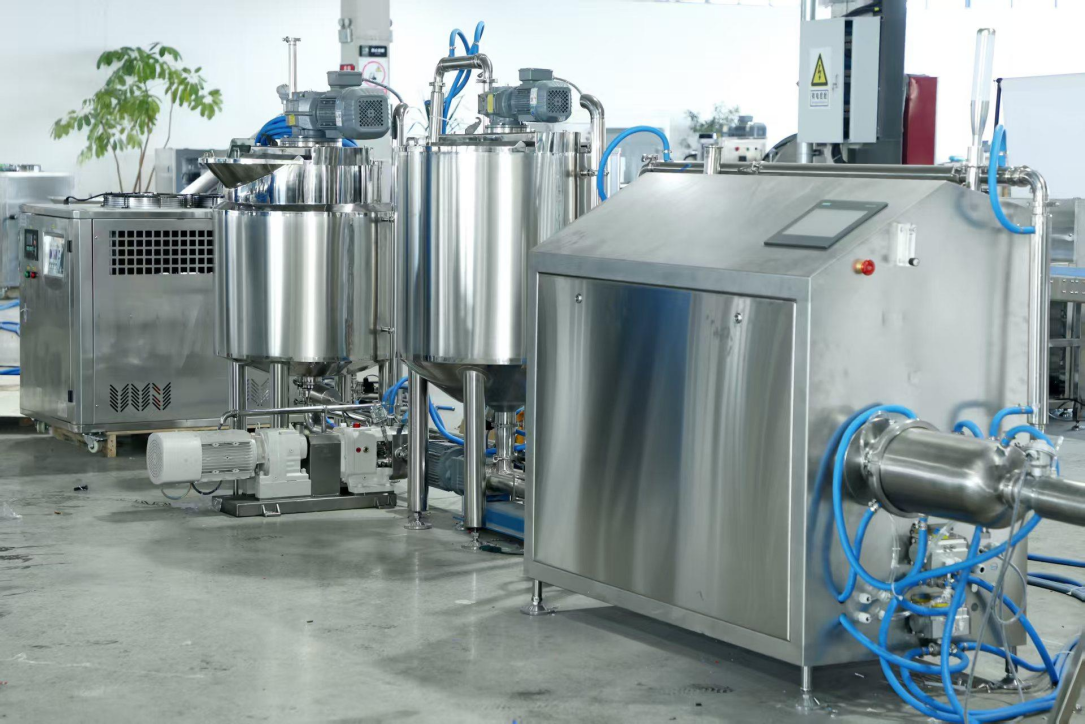
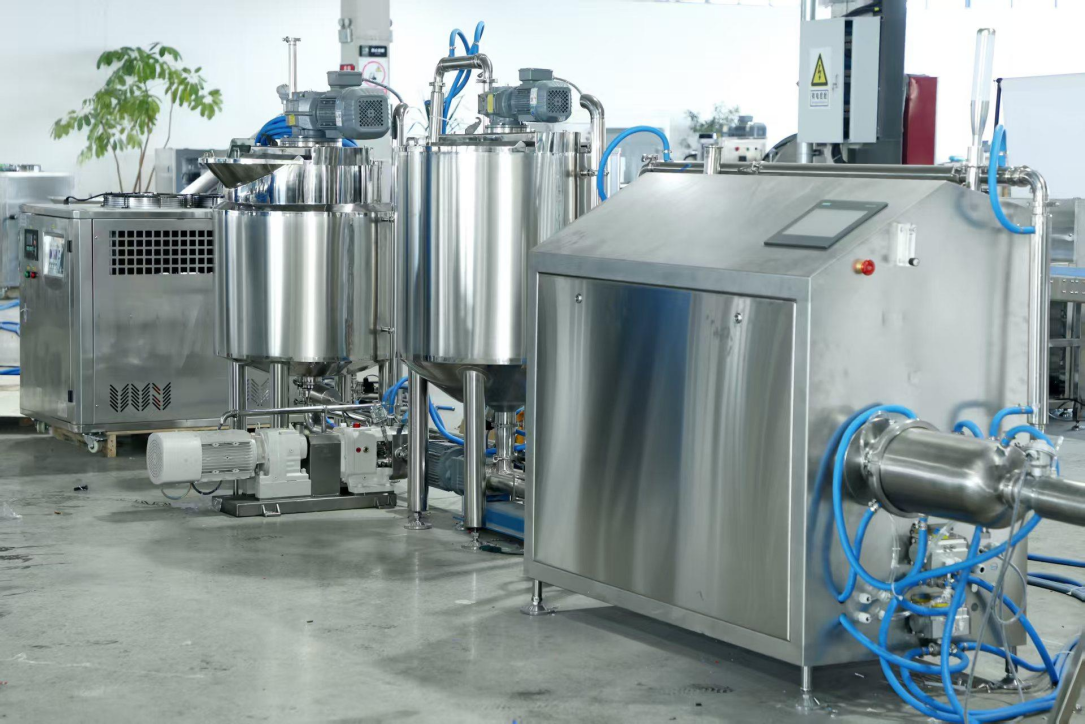
Industrial producers hold inherent advantages in manufacturing gourmet marshmallows. The core process—mixing gelatin, sugar syrup, and flavorings followed by aeration and molding—is highly automatable. Advanced extruders and continuous cookers enable precise control over texture, from fluffy clouds to dense chews, while ingredient dosing systems incorporate exotic elements seamlessly.
Cost efficiencies further amplify opportunities. Economies of scale reduce per-unit costs, allowing competitive pricing even at premium levels. For instance, sourcing bulk natural flavorings or plant-based gelatins lowers expenses without sacrificing quality. Moreover, sustainability initiatives, such as recyclable packaging and ethically sourced ingredients, align with consumer values, enhancing brand loyalty.
Key Innovation Opportunities
To capitalize, producers must innovate strategically. Here are the primary avenues:
- Flavor Diversification: Beyond basics, explore global inspirations like yuzu, pistachio, or chili-mango hybrids to differentiate offerings.
- Functional Enhancements: Integrate superfoods, adaptogens, or probiotics for wellness-focused lines targeting fitness enthusiasts.
- Texture and Format Variations: Develop bite-sized spheres, layered bars, or dissolvable strips for new applications in beverages and baking.
- Sustainable Sourcing: Partner with certified suppliers for organic sugars and agar alternatives, appealing to eco-conscious buyers.
- Customization Capabilities: Use modular production lines for private-label runs, serving retailers’ exclusive products.
These innovations not only expand product lines but also foster repeat purchases through limited-edition releases and seasonal flavors.
Market Data Comparison
To illustrate the opportunity, consider the following table comparing standard and gourmet marshmallows:
| Metric | Standard Marshmallows | Gourmet Marshmallows |
|---|---|---|
| Average Retail Price (per lb) | $2-4 | $8-15 |
| Profit Margin | 20-30% | 45-60% |
| Annual Growth Rate (2023-2030) | 3-5% | 10-15% |
| Key Distribution Channels | Grocery stores, mass retail | Gourmet shops, e-commerce, gifting |
This data underscores the superior margins and growth potential of gourmet variants, making them ideal for industrial expansion.
Navigating Challenges
Despite the promise, hurdles exist. Shelf-life concerns with natural ingredients require advanced stabilizers, while flavor consistency demands rigorous R&D. Regulatory compliance for novel additives, particularly in international markets, adds complexity. However, industrial producers’ resources—dedicated labs, supply chain expertise, and quality assurance protocols—mitigate these effectively. Collaborative ventures with flavor houses and trend forecasters further de-risk entry.
Success stories abound: Companies like Doumak Inc. have pivoted to gourmet lines, reporting 25% revenue increases. By investing in these areas, producers can overcome barriers and seize market share.
Conclusion
Gourmet marshmallows embody the perfect storm for industrial producers: rising demand, premium pricing, and manufacturable innovation. As consumers crave elevated everyday indulgences, scaling artisanal concepts offers a pathway to sustained profitability. Forward-thinking companies that blend tradition with technology will lead this sweet revolution, transforming a humble treat into a confectionery powerhouse. The time to invest is now—before the fluff settles.
Our Products
-

Braided Rainbow Marshmallow Ropes Production Line: Best Making Machine Factory & Supplier
-

Bulk Industrial Topping Marshmallows Production Line: Best Making Machine Factory & Supplier
-

Center-filled Fruit Jam Marshmallows Production Line: Best Making Machine Factory & Supplier
-

Chocolate Coated Marshmallow Biscuits Production Line: Best Making Machine Factory & Supplier
-

Custom Shape Die-cut Marshmallows Production Line: Best Making Machine Factory & Supplier
-
Dehydrated Crunchy Micro Marshmallows for Cereal Production Line: Best Making Machine Factory & Supplier