Adapting a traditional recipe for an automated production line represents a critical step for food manufacturers aiming to scale operations efficiently. Manual kitchen recipes often rely on artisanal techniques and variable conditions, which do not translate seamlessly to high-speed automation. By fine-tuning recipes, businesses can achieve consistent quality, reduce waste, and optimize throughput. This article explores practical strategies to adjust your recipe, ensuring it performs flawlessly on automated lines while maintaining flavor, texture, and safety standards.
Table of Contents
Understanding Automated Production Lines
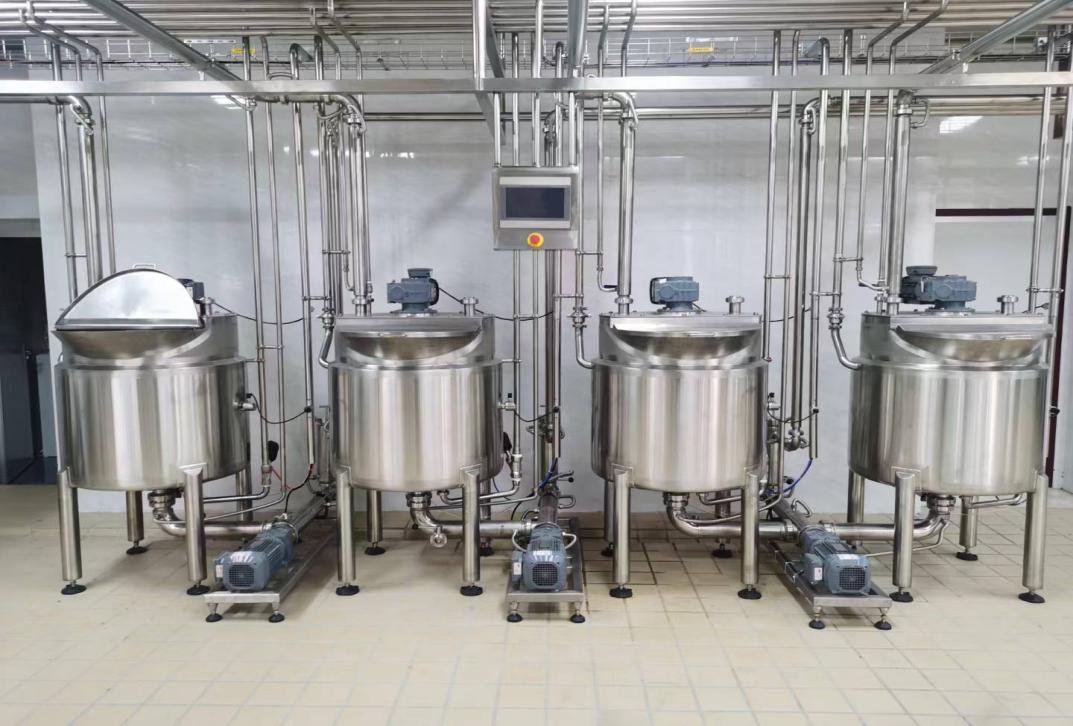
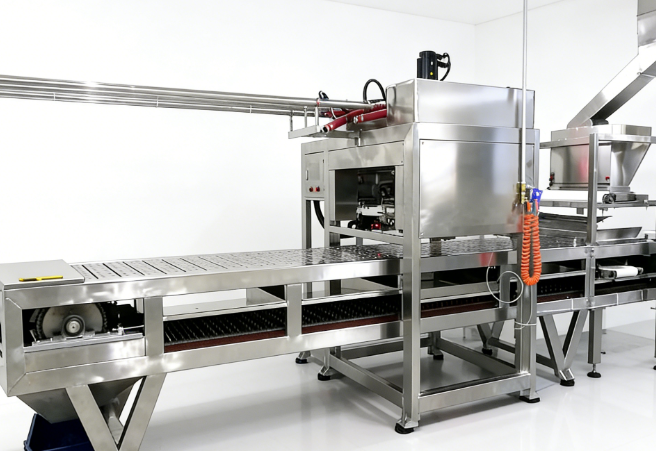
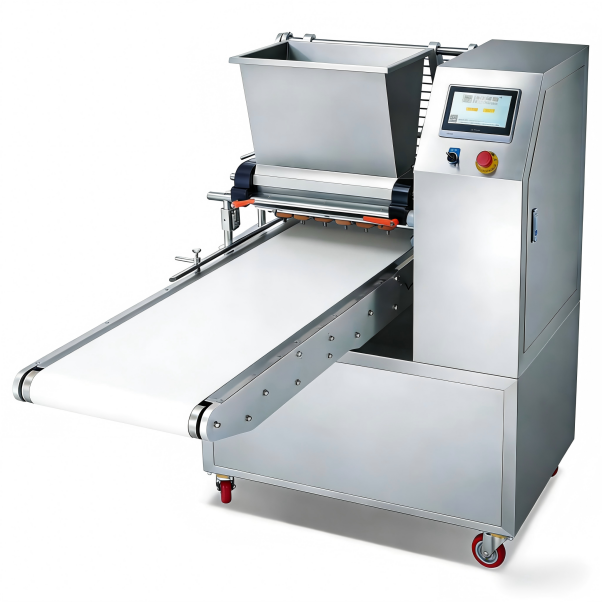
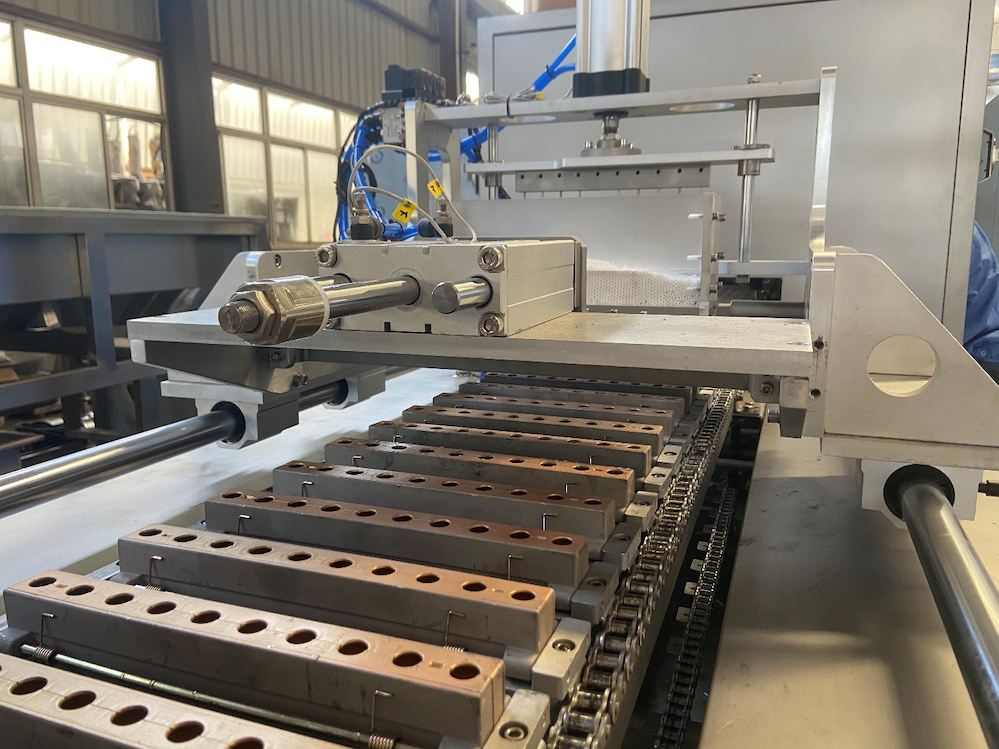
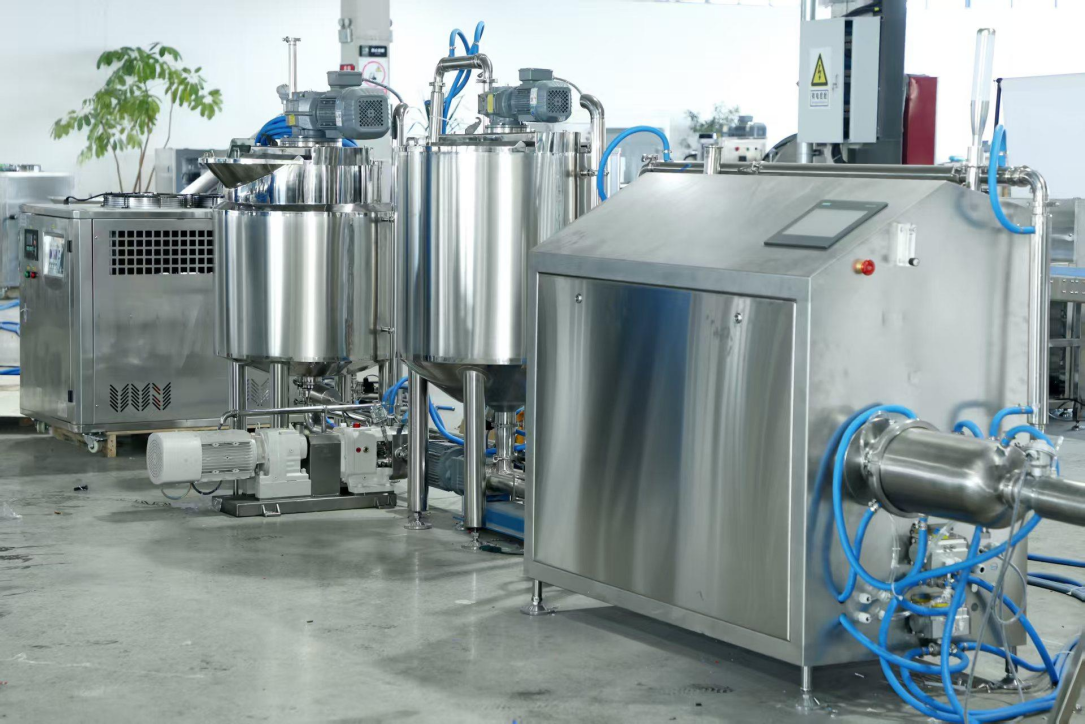
Automated lines integrate machinery such as mixers, depositors, ovens, and packaging units operating in unison. These systems demand precision in ingredient flow, viscosity, temperature control, and timing. Unlike manual processes, where a chef might adjust on the fly, automation requires recipes with standardized parameters. For instance, dough must exhibit exact extensibility for extruders, and batters need specific densities for enrobers. Failing to align recipes with equipment specs can lead to clogs, uneven baking, or product defects. Therefore, the first step in adjustment is a thorough audit of your line’s capabilities, including throughput rates and tolerance ranges.
Transitioning from batch to continuous production further complicates matters. Recipes must account for steady-state conditions rather than discrete mixing cycles. Engineers often provide data sheets detailing ideal input properties, such as particle size for powders or shear rates for emulsions. By studying these, you can identify mismatches early and plan modifications accordingly.
Key Recipe Parameters to Modify
Several core elements require recalibration. Ingredient ratios often need scaling, but it’s not merely multiplication; interactions change under mechanical stress. Water content, for example, influences hydration and flowability—too much leads to stickiness in pumps, too little to brittleness in cutters. Binders like gums or starches must be optimized to maintain structure during high-speed handling.
Temperature-sensitive components, such as fats or enzymes, demand careful sequencing in automated feeds. Pre-heating or chilling stages may be necessary to match ambient machine conditions. Additionally, preservatives and stabilizers might need dosage tweaks to compensate for reduced air exposure in enclosed systems, preserving shelf life without altering taste.
Furthermore, sensory attributes like mouthfeel evolve under automation. Aeration levels plummet without hand-whisking, so incorporating air-injection steps or modified emulsifiers becomes essential. Nutritional profiles remain intact if fortifiers are uniformly dispersed, thanks to precise metering pumps.
Step-by-Step Adjustment Process
To systematically refine your recipe, follow this structured approach. Begin with lab-scale simulations using mini-extruders or rheometers to mimic line dynamics without full runs.
- Analyze Current Recipe: Document exact manual procedures, yields, and variabilities through trials.
- Map Equipment Specs: Collaborate with line operators to gather data on flow rates, pressures, and tolerances.
- Pilot Small Batches: Test incremental changes in a semi-automated setup, measuring key metrics like viscosity (Brookfield readings) and bake loss.
- Scale Iteratively: Apply pilot learnings to progressively larger runs, adjusting for heat transfer differences.
- Validate Full Line: Run production trials, monitoring via inline sensors for real-time tweaks.
- Finalize and Document: Lock in the formula with SOPs for repeatability.
This ordered process ensures methodical progress, minimizing costly disruptions. Each step builds on the last, incorporating feedback loops for continuous improvement.
Common Challenges and Solutions
Challenges abound, such as phase separation in emulsions or inconsistent particle distribution. A practical solution is reformulation with hydrocolloids like xanthan gum, which enhance stability at 0.1-0.5% levels. Another frequent issue is browning inconsistencies in ovens; adjusting pH or adding reductants like sodium metabisulfite can standardize Maillard reactions.
For comparison, consider the table below outlining typical adjustments for a cookie dough recipe transitioning from manual to automated production:
| Parameter | Manual Recipe | Automated Adjustment | Rationale |
|---|---|---|---|
| Flour (%) | 50 | 48 | Reduced for better flow |
| Sugar (%) | 25 | 27 | Increased for plasticity |
| Water (%) | 20 | 18 | Optimized viscosity |
| Fat (%) | 15 | 17 | Enhanced lubrication |
| Mixing Time (min) | 10 | 5 | High-shear efficiency |
This table illustrates quantifiable shifts, grounded in rheological testing. By adopting such benchmarks, you mitigate trial-and-error expenses.
Testing Optimization and Quality Assurance
Rigorous testing underpins success. Employ statistical process control (SPC) charts to track variables like weight uniformity and color values (Hunter L*a*b scale). Sensory panels validate flavor fidelity, while shelf-life studies confirm microbial stability. Inline NIR spectroscopy provides non-destructive moisture and fat analysis, enabling real-time recipe corrections.
Moreover, sustainability enters the equation—optimized recipes cut ingredient overuse by up to 15%, aligning with eco-conscious demands. Software tools like recipe management systems automate versioning and scalability calculations, streamlining future adaptations.
Conclusion
Adjusting recipes for automated lines transforms potential pitfalls into production prowess. Through understanding equipment needs, methodical modifications, and data-driven validation, manufacturers unlock efficiency without sacrificing quality. Embrace collaboration between R&D, operations, and suppliers to navigate this evolution. Ultimately, a well-tuned recipe not only boosts output but fortifies your competitive edge in a fast-paced industry. Invest in these adjustments today for tomorrow’s streamlined success.
Our Products
-

Braided Rainbow Marshmallow Ropes Production Line: Best Making Machine Factory & Supplier
-

Bulk Industrial Topping Marshmallows Production Line: Best Making Machine Factory & Supplier
-

Center-filled Fruit Jam Marshmallows Production Line: Best Making Machine Factory & Supplier
-

Chocolate Coated Marshmallow Biscuits Production Line: Best Making Machine Factory & Supplier
-

Custom Shape Die-cut Marshmallows Production Line: Best Making Machine Factory & Supplier
-
Dehydrated Crunchy Micro Marshmallows for Cereal Production Line: Best Making Machine Factory & Supplier