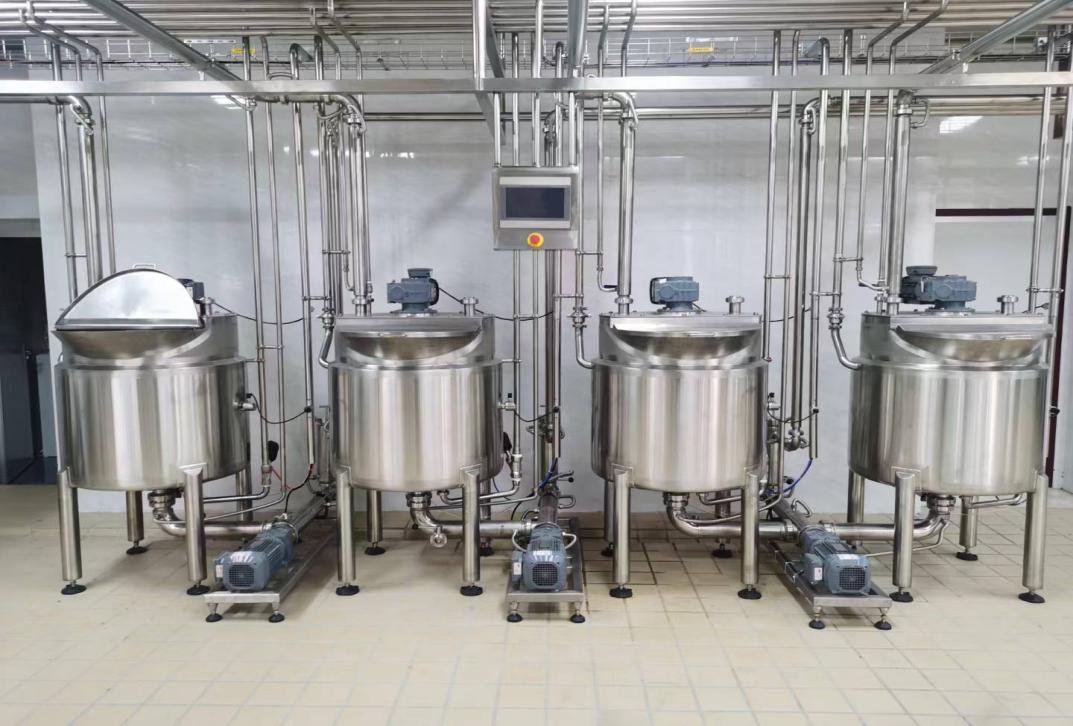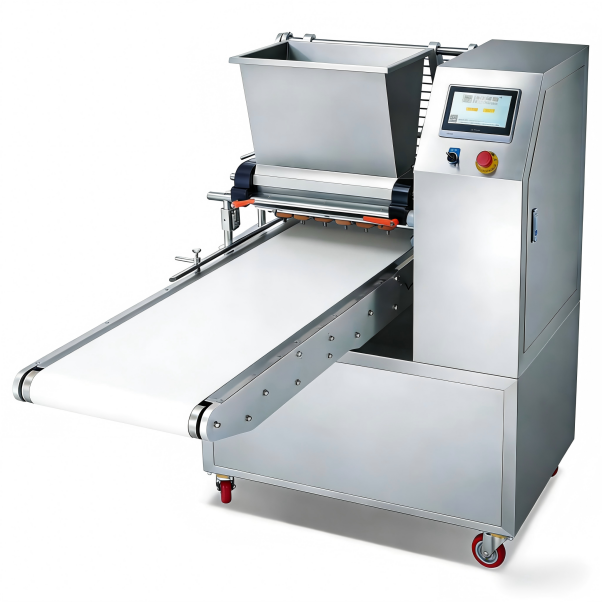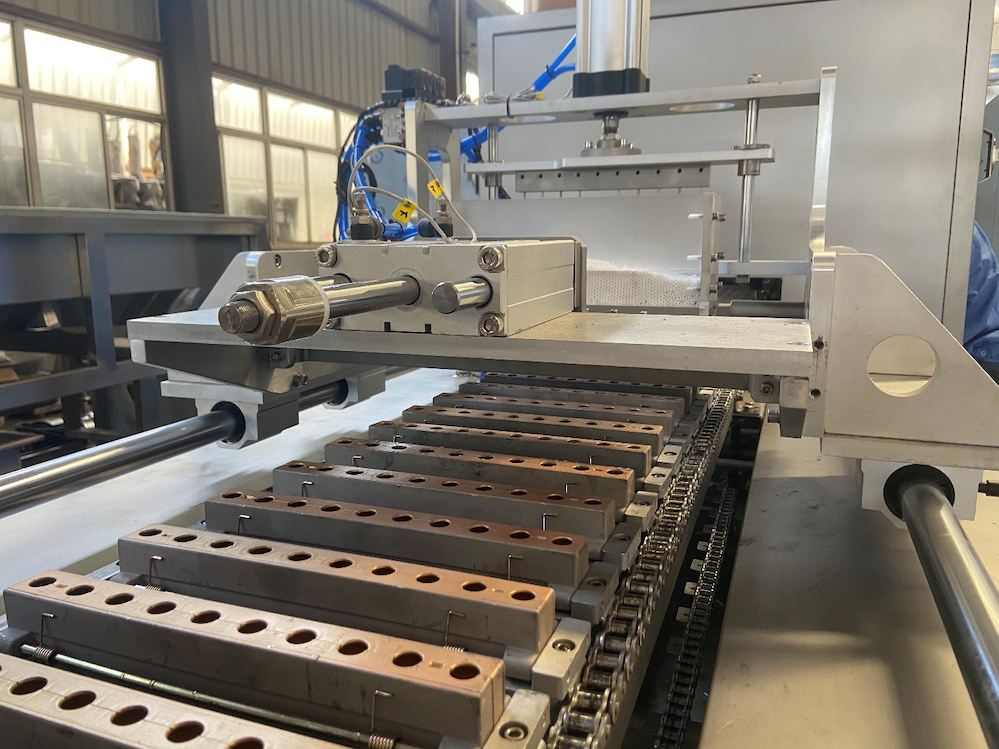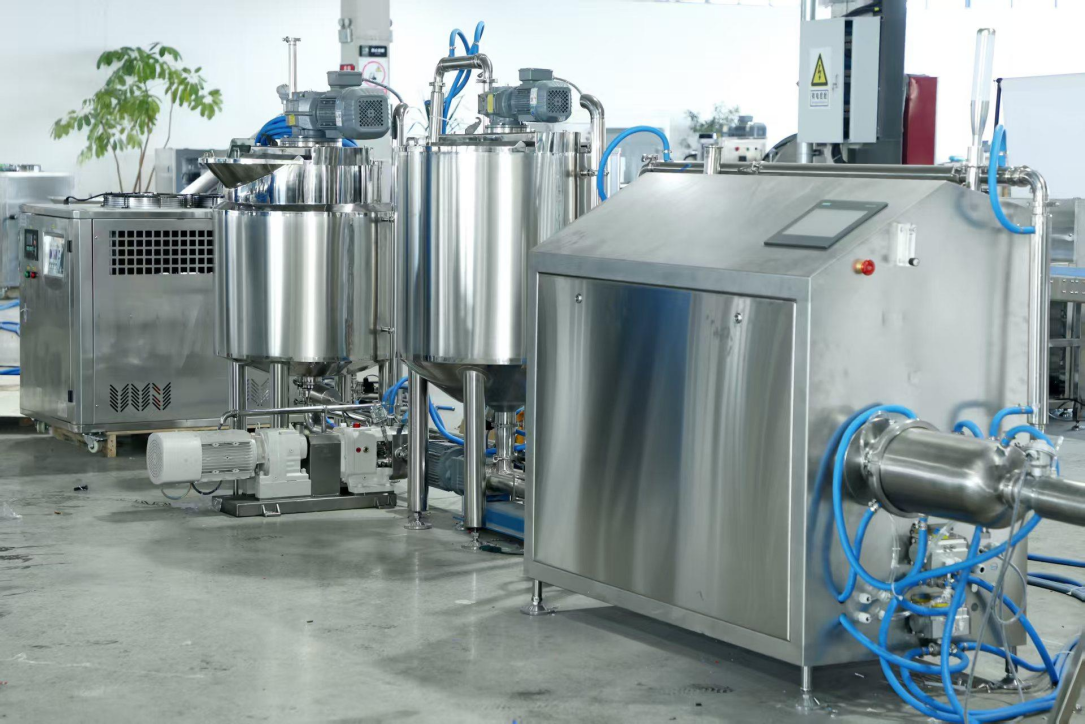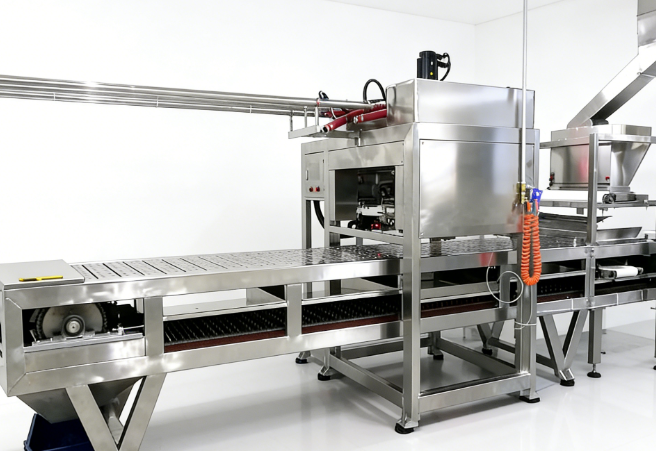
Marshmallow extruders are essential pieces of equipment in confectionery production, precisely depositing aerated marshmallow mixture into molds or directly onto cooling belts to form consistent shapes like cylinders, ropes, or custom designs. When these machines produce uneven shapes—such as irregular thicknesses, lumpy extrusions, or inconsistent diameters—it can lead to product defects, waste, and costly downtime. Troubleshooting this issue systematically ensures quality control and operational efficiency. This article guides you through identifying causes, diagnostic steps, and solutions, helping operators restore uniform output.
Table of Contents
Understanding Uneven Shapes in Extrusion
Uneven shapes often stem from disruptions in the extrusion process, where the marshmallow mixture—a delicate blend of sugar syrup, gelatin, and air—must flow smoothly under controlled pressure. Variations can manifest as wavy lines, blobs, or tapered forms. Before diving into fixes, recognize that factors like mixture viscosity, machine calibration, and environmental conditions interplay. Addressing the root cause prevents recurring problems. Next, we’ll explore common culprits.
Common Causes of Uneven Extrusion
Several factors contribute to inconsistent shapes. Inconsistent mixture temperature can cause the marshmallow to thicken or thin unpredictably during extrusion. Clogged nozzles or worn components disrupt flow, leading to pressure fluctuations. Improper air incorporation in the whipping stage results in unstable foam that collapses unevenly.Additionally, mechanical issues like misaligned pumps or faulty speed controllers exacerbate the problem. Environmental humidity affects moisture content, altering viscosity. By methodically checking these, you can pinpoint the issue efficiently.
Step-by-Step Troubleshooting Guide
Follow this structured approach to diagnose and resolve uneven shapes. Start with basic checks and progress to advanced diagnostics, using transitional observations to guide your process.
- Inspect Visual Output: Run a test extrusion and observe patterns. Note if unevenness is intermittent (suggesting pressure issues) or constant (likely nozzle-related). Document with photos for reference.
- Verify Mixture Consistency: Test the marshmallow batter’s density using a viscometer or simple cup-drop method. Ideal viscosity should hold shape yet flow freely—adjust whipping time or gelatin ratios if off.
- Check Temperature Settings: Ensure syrup at 110-115°C pre-whip and extruder head at 35-45°C. Deviations cause poor flow.
- Examine Nozzles and Dies: Clean or replace if buildup or wear is evident. Measure orifice diameter for uniformity.
- Test Pressure and Speed: Monitor pump pressure (typically 2-5 bar) and conveyor speed sync. Calibrate using machine gauges.
- Assess Mechanical Alignment: Inspect belts, gears, and depositors for wear or misalignment with a level tool.
- Review Environmental Factors: Maintain 50-60% humidity and 20-25°C ambient temperature; use dehumidifiers if needed.
- Run Controlled Tests: Isolate variables (e.g., new batch only) and re-extrude to confirm fixes.
This ordered process minimizes guesswork, saving time. If issues persist after these steps, consult manufacturer diagnostics or technical support.
Key Parameters Table
To aid precise adjustments, refer to this table of optimal settings for a standard marshmallow extruder. Variations depend on machine model and recipe, but these serve as benchmarks.
| Parameter | Ideal Range | Purpose | Common Issue if Out of Range |
|---|---|---|---|
| Mixture Temperature | 35-45°C | Controls viscosity | Too hot: runny shapes; too cold: clogs |
| Extrusion Pressure | 2-5 bar | Ensures steady flow | Low: thin/tapered; high: blobs |
| Nozzle Diameter | 5-10 mm | Defines shape size | Wear causes irregularity |
| Air Incorporation | 300-500% overrun | Creates stable foam | Low: dense, uneven; high: collapses |
| Line Speed | 5-15 m/min | Matches deposition | Mismatch: stretching or piling |
Use this reference during calibration. Fine-tune iteratively while monitoring output quality, transitioning from diagnosis to prevention for long-term reliability.
Advanced Solutions and Tools
For persistent problems, deploy advanced tools like flow meters to quantify inconsistencies or thermal imaging cameras to detect hot spots. Upgrade to automated controls for real-time pressure adjustments, reducing human error. Recipe tweaks, such as increasing corn syrup for stability, complement mechanical fixes. Always prioritize safety—shut down power, wear PPE, and follow lockout/tagout procedures during interventions. These enhancements elevate production consistency.
Preventive Maintenance Strategies
Proactive care averts uneven shapes altogether. Implement daily nozzle cleanings with warm water and food-grade solvents, weekly lubrication of moving parts, and monthly full inspections. Train staff on standard operating procedures, logging parameters for trend analysis. Regular calibration against the parameters table prevents drift. By integrating these habits, downtime drops significantly, ensuring smooth operations.
In conclusion, troubleshooting a marshmallow extruder yielding uneven shapes demands a blend of observation, systematic checks, and precise adjustments. From verifying mixture basics to leveraging diagnostic tables and lists, this methodical approach restores uniformity efficiently. Consistent application not only resolves immediate issues but also fortifies production resilience. Operators who master these techniques uphold product excellence, minimizing waste and maximizing throughput in the competitive confectionery industry. With diligent maintenance, your extruder will deliver flawless shapes run after run.
Our Products
-

Braided Rainbow Marshmallow Ropes Production Line: Best Making Machine Factory & Supplier
-

Bulk Industrial Topping Marshmallows Production Line: Best Making Machine Factory & Supplier
-

Center-filled Fruit Jam Marshmallows Production Line: Best Making Machine Factory & Supplier
-

Chocolate Coated Marshmallow Biscuits Production Line: Best Making Machine Factory & Supplier
-

Custom Shape Die-cut Marshmallows Production Line: Best Making Machine Factory & Supplier
-
Dehydrated Crunchy Micro Marshmallows for Cereal Production Line: Best Making Machine Factory & Supplier