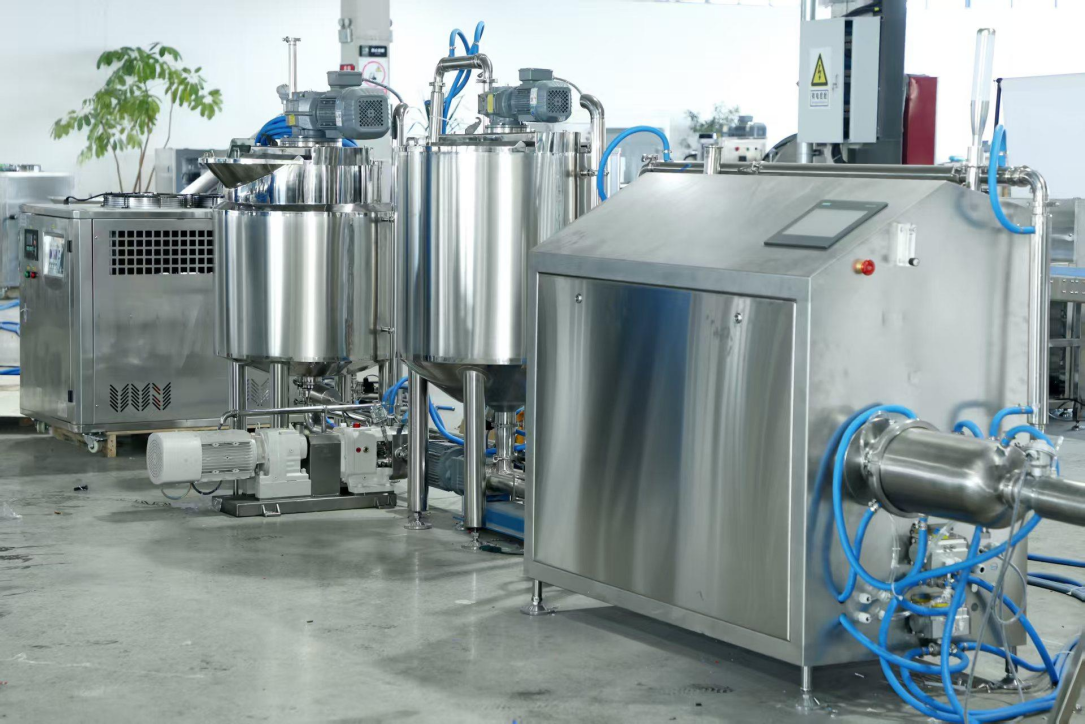
Entering new international markets presents exciting opportunities for businesses, but it also comes with significant challenges. One critical yet often overlooked factor in successful global expansion is the choice of equipment. The right equipment not only ensures operational efficiency but also facilitates compliance with diverse regulations, reduces logistical hurdles, and enhances competitiveness. This article explores how strategic equipment selection can pave the way for seamless entry into foreign markets, offering practical insights for manufacturers and exporters alike.
Table of Contents
Assessing Regional Regulatory Compliance
Every international market has unique regulatory frameworks that dictate equipment standards. For instance, the European Union enforces stringent CE marking requirements, which certify that products meet health, safety, and environmental protection standards. Similarly, the United States mandates compliance with UL or ETL certifications for electrical equipment. Choosing equipment that is pre-certified for these standards minimizes delays in customs clearance and avoids costly redesigns.
Moreover, transitioning to markets in Asia, such as China or Japan, requires adherence to local certifications like CCC or PSE marks. By prioritizing multi-certified equipment from the outset, companies can avoid the pitfalls of retrofitting, which can inflate costs by up to 30%. This proactive approach not only accelerates market entry but also builds trust with local regulators and partners, smoothing the path for long-term operations.
Adapting to Technical Specifications and Infrastructure
Beyond regulations, technical compatibility is paramount. Electrical systems vary globally: North America operates on 120V/60Hz, while Europe and most of Asia use 220-240V/50Hz. Selecting versatile equipment with universal power supplies or modular voltage converters ensures uninterrupted functionality without additional modifications.
Infrastructure differences, such as varying ambient temperatures or humidity levels, also influence choices. Equipment designed for tropical climates in Southeast Asia, with robust cooling systems, performs reliably where standard models might fail. As businesses expand, opting for adaptable machinery—such as CNC machines with interchangeable tooling—allows customization to local needs, reducing downtime and enhancing productivity from day one.
Optimizing Logistics and Cost Efficiency
Equipment choice directly impacts shipping and installation costs. Compact, lightweight designs lower freight expenses and simplify customs processes in markets with strict size restrictions. For example, modular assembly lines can be shipped in containers and reassembled on-site, cutting transportation costs by 20-40% compared to monolithic units.
Furthermore, energy-efficient equipment aligns with rising global demands for sustainability. In regions like the EU, where carbon taxes are imposed, low-energy machines reduce operational expenses and qualify for green incentives. This not only boosts cost-effectiveness but also appeals to environmentally conscious consumers and governments, providing a competitive edge.
Leveraging Technological Innovation for Market Differentiation
In today’s digital era, equipment embedded with Industry 4.0 technologies—such as IoT sensors and AI-driven analytics—offers a distinct advantage. These features enable remote monitoring, predictive maintenance, and data-driven optimization, which are highly valued in tech-savvy markets like South Korea or Germany.
By choosing scalable equipment that integrates with local digital ecosystems, companies can quickly adapt production to regional preferences. For instance, flexible robotic arms can switch between product lines with minimal reprogramming, allowing rapid response to fluctuating demands in volatile markets like India or Brazil.
Key Considerations for Equipment Selection
To systematically evaluate options, businesses should follow a structured checklist. The following ordered list outlines essential steps:
- Conduct thorough market research on regulations and standards.
- Assess local infrastructure compatibility, including power and climate.
- Evaluate scalability and modularity for future growth.
- Compare total cost of ownership, factoring in energy, maintenance, and shipping.
- Test equipment in simulated local conditions through pilot programs.
- Partner with certified suppliers offering global support networks.
Implementing these steps ensures a holistic approach, bridging the gap between ambition and execution.
Regional Comparison of Equipment Requirements
Understanding specific demands across regions is crucial. The table below compares key requirements for major markets, highlighting how targeted equipment choices facilitate entry.
| Region | Voltage/Frequency | Key Certifications | Common Challenges | Recommended Equipment Features |
|---|---|---|---|---|
| EU | 230V/50Hz | CE, RoHS | Emissions limits | Energy-efficient, low-noise |
| USA | 120V/60Hz | UL, FCC | Safety testing | Universal inputs, durable casings |
| China | 220V/50Hz | CCC, GB standards | Local content rules | Modular, high-volume capacity |
| India | 230V/50Hz | BIS, energy star | High temperatures | Heat-resistant, dust-proof |
This comparison underscores the need for tailored selections, preventing common oversights that derail expansions.
Real-World Success Stories
Companies like Siemens and ABB exemplify the impact of smart equipment choices. Siemens entered the Indian market with climate-resilient transformers, capturing 25% market share within two years. ABB’s modular automation systems enabled rapid deployment in Southeast Asia, reducing setup time by 50%. These cases illustrate how aligning equipment with local realities drives growth and profitability.
Conversely, firms ignoring these factors face setbacks. A U.S. manufacturer once shipped incompatible machinery to Europe, incurring $2 million in rework and delays. Such lessons reinforce the value of foresight.
Conclusion
In summary, equipment choice is a strategic linchpin for international market entry, influencing compliance, efficiency, and adaptability. By prioritizing certified, versatile, and innovative machinery, businesses can mitigate risks, cut costs, and accelerate growth. As global trade evolves, investing in the right equipment today positions companies for tomorrow’s opportunities. Evaluate your options meticulously, leverage expert consultations, and embark on your global journey with confidence.
Our Products
-

Braided Rainbow Marshmallow Ropes Production Line: Best Making Machine Factory & Supplier
-

Bulk Industrial Topping Marshmallows Production Line: Best Making Machine Factory & Supplier
-

Center-filled Fruit Jam Marshmallows Production Line: Best Making Machine Factory & Supplier
-

Chocolate Coated Marshmallow Biscuits Production Line: Best Making Machine Factory & Supplier
-

Custom Shape Die-cut Marshmallows Production Line: Best Making Machine Factory & Supplier
-
Dehydrated Crunchy Micro Marshmallows for Cereal Production Line: Best Making Machine Factory & Supplier