
Table of Contents
How Do Modern Inverters and Motors Slash Your Monthly Electricity Bills?
In today’s world, where energy costs are constantly rising, homeowners and businesses alike are seeking ways to reduce their electricity bills without sacrificing comfort or productivity. Traditional appliances often guzzle power inefficiently, but modern inverters and motors have revolutionized energy consumption. These technologies, commonly found in air conditioners, refrigerators, washing machines, and industrial pumps, operate with remarkable precision and efficiency. By adjusting power usage dynamically to match real-time needs, they can cut energy bills by up to 50% in many cases. This article explores how these innovations work, their mechanisms for savings, and practical tips for implementation, guiding you toward substantial monthly savings.
Understanding Traditional Systems and Their Shortcomings
Conventional electrical systems rely on fixed-speed motors and on/off cycling mechanisms. For instance, a standard air conditioner compressor runs at full capacity until the desired temperature is reached, then shuts off completely. This start-stop cycle not only wastes energy during frequent restarts but also leads to uneven performance and higher wear and tear. Similarly, traditional motors in fans or pumps operate at constant speeds, regardless of demand, resulting in excess power consumption. According to energy studies, these systems can waste 30-40% of electricity due to inefficient operation. Transitioning to modern alternatives addresses these issues head-on.
The Role of Modern Inverters in Energy Efficiency
Modern inverters, particularly variable frequency drives (VFDs), act as smart intermediaries between the power source and the motor. They convert incoming AC power to DC and then back to variable-frequency AC, allowing precise control over motor speed. Unlike fixed setups, inverters ramp up or down the voltage and frequency to match the load exactly. For example, in an inverter air conditioner, the compressor slows down once the room cools, using far less power to maintain temperature. This continuous adjustment eliminates energy spikes and reduces overall runtime. Furthermore, advanced inverters incorporate features like soft starts, which minimize inrush currents that can be up to seven times the normal operating current in traditional motors.
Advanced Motor Technologies Complementing Inverters
Pairing inverters with high-efficiency motors amplifies savings. Brushless DC (BLDC) motors and permanent magnet synchronous motors (PMSMs) have largely replaced induction motors in modern appliances. These motors boast efficiencies exceeding 90%, compared to 70-80% for older models. Without brushes, they generate less friction and heat, converting more electrical energy into mechanical work. When driven by inverters, they achieve optimal performance at partial loads, where traditional motors falter. In industrial settings, this synergy can reduce energy use by 20-60%, depending on the application. As we delve deeper, the quantifiable benefits become evident.
Mechanisms Behind BillReducing Savings
The magic lies in several key mechanisms. First, variable speed operation matches output to demand, slashing unnecessary power draw—think of it as a car cruise control for electricity. Second, power factor correction in inverters ensures nearly 100% utilization of supplied power, minimizing losses. Third, integration with sensors and IoT enables predictive adjustments based on usage patterns. For solar-powered systems, maximum power point tracking (MPPT) in inverters extracts peak efficiency from panels. Collectively, these features compound savings. To illustrate, consider the following comparison:
| System Type | Efficiency Rating | Average Monthly kWh (AC Unit, 1.5 Ton) | Estimated Bill Savings (at $0.15/kWh) |
|---|---|---|---|
| Traditional FixedSpeed | 70-80% | 600 kWh | – |
| Modern Inverter + BLDC Motor | 90-95% | 300 kWh | $45/month |
This table highlights dramatic reductions; realworld tests by organizations like the U.S. Department of Energy confirm similar figures across appliances.
Practical Applications and Additional Benefits
Beyond air conditioning, inverters and motors shine in refrigerators, where they maintain steady cooling with minimal energy, and in EVs, extending range significantly. In homes, retrofitting pumps or fans yields quick returns. Moreover, these systems are quieter, longerlasting, and environmentally friendlier, reducing carbon footprints. To maximize savings, follow these steps:
- Assess your highconsumption appliances using a power meter.
- Choose Energy Star-rated inverter models with high inverter efficiency (IPLV) ratings.
- Pair with smart thermostats for automated optimization.
- Schedule professional installation to ensure compatibility.
- Monitor usage via apps and maintain filters regularly.
Implementing these not only trims bills but enhances reliability. As adoption grows, moving toward widespread use seems inevitable.
Conclusion
In summary, modern inverters and motors transform electricity consumption from wasteful to wise by enabling precise, demanddriven operation. Through variable speed control, superior motor designs, and intelligent features, they deliver verifiable savings—often halving bills for key appliances. Whether upgrading a home AC or overhauling industrial equipment, the investment pays off swiftly, typically within 1-2 years. By embracing these technologies, you not only pocket more cash monthly but contribute to a sustainable future. Start evaluating your setup today; the reductions will speak for themselves.
Our Products
-
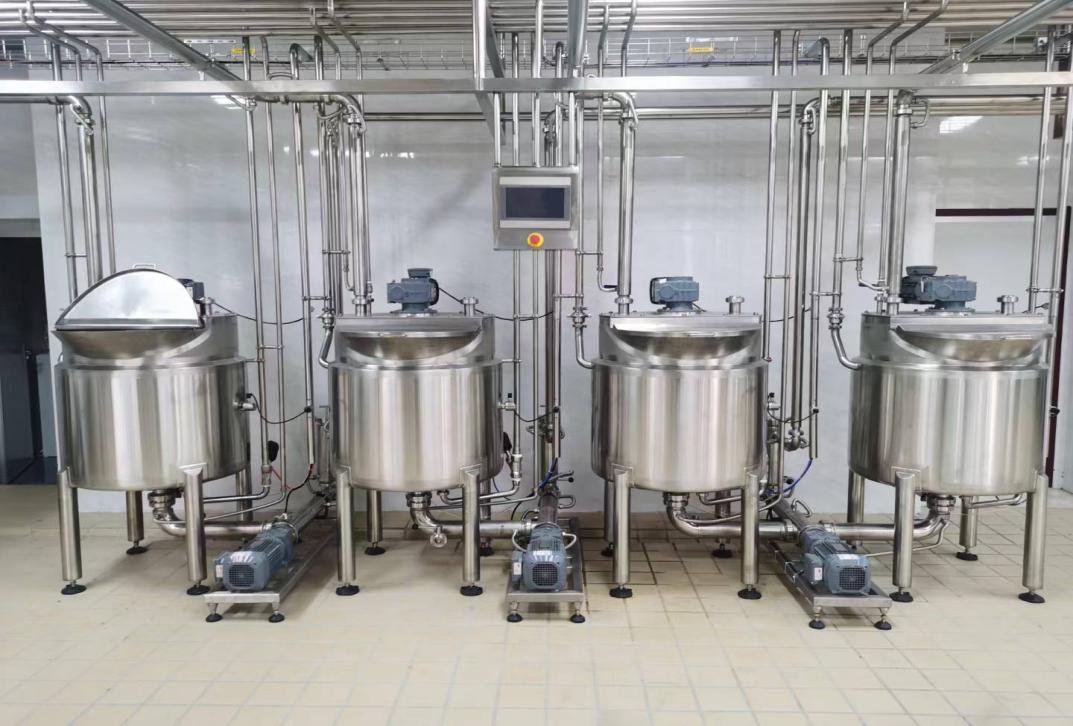
Braided Rainbow Marshmallow Ropes Production Line: Best Making Machine Factory & Supplier
-
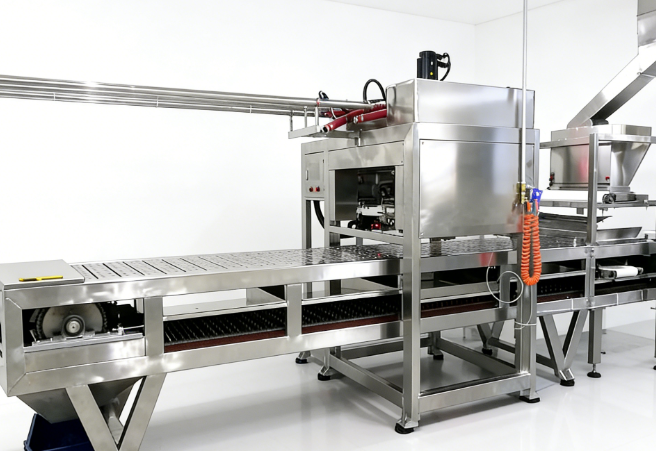
Bulk Industrial Topping Marshmallows Production Line: Best Making Machine Factory & Supplier
-
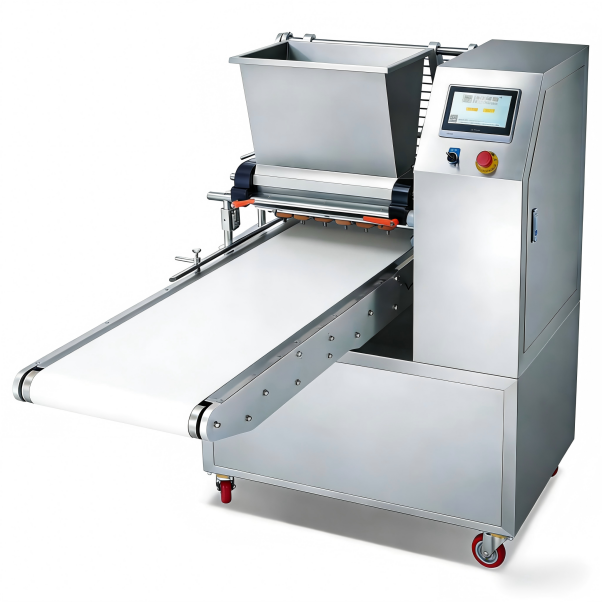
Center-filled Fruit Jam Marshmallows Production Line: Best Making Machine Factory & Supplier
-
Chocolate Coated Marshmallow Biscuits Production Line: Best Making Machine Factory & Supplier
-
Custom Shape Die-cut Marshmallows Production Line: Best Making Machine Factory & Supplier
-
Dehydrated Crunchy Micro Marshmallows for Cereal Production Line: Best Making Machine Factory & Supplier