Table of Contents
How Do You Effectively Clean a Beater System Without Hours of Downtime
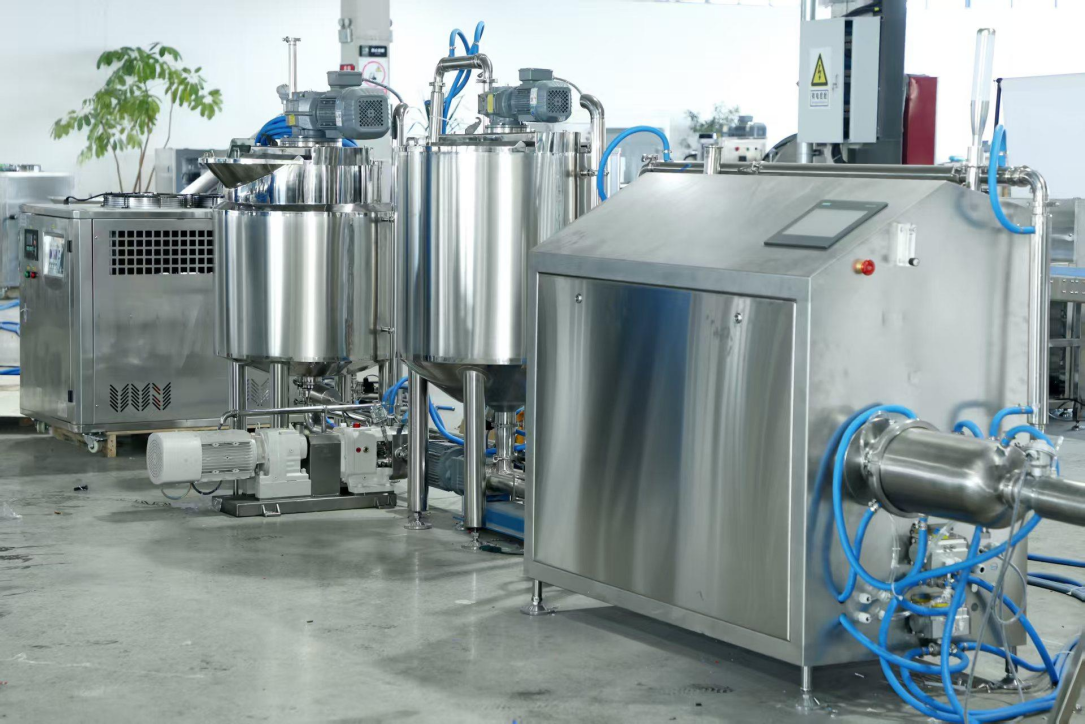
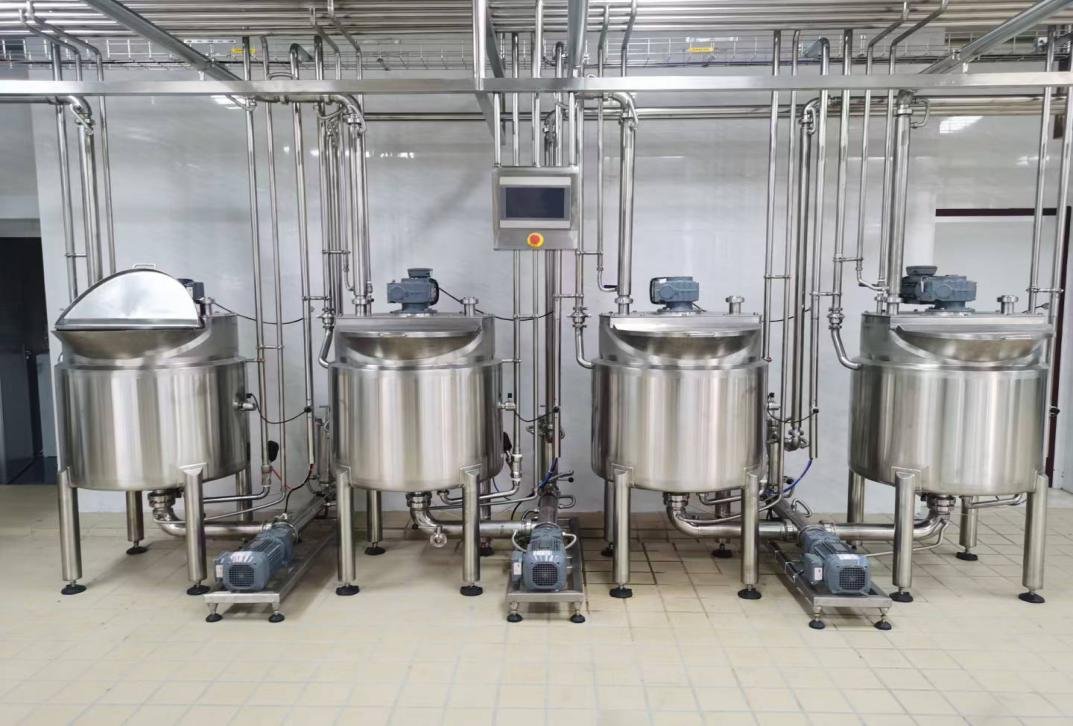
In the fast-paced world of food manufacturing, particularly in bakeries and confectioneries, maintaining a clean beater system is crucial for product quality, safety, and compliance with hygiene standards. Beater systems, which include planetary mixers, spiral mixers, and high-speed whippers, are workhorses for blending doughs, batters, and creams. However, traditional cleaning methods often lead to hours of downtime, disrupting production schedules and increasing operational costs. This article explores efficient cleaning techniques that minimize downtime while ensuring thorough sanitation. By adopting smart strategies, you can reduce cleaning time from hours to minutes, keeping your operations running smoothly.
Understanding Beater Systems and Cleaning Needs
Beater systems consist of rotating blades or attachments designed for intensive mixing tasks. These components are prone to buildup from sticky ingredients like sugars, fats, and flours, which can harbor bacteria if not addressed promptly. Effective cleaning must remove residues without damaging delicate parts such as seals, motors, or non-stick coatings. The goal is to achieve sanitation levels that meet HACCP and FDA guidelines without exhaustive disassembly. Transitioning to streamlined processes begins with assessing your system’s design—whether it’s a fixed-bowl or removable-bowl model—and identifying high-risk areas like crevices and shafts.
Challenges of Traditional Cleaning Methods
Conventional approaches involve manual scrubbing, soaking, and full disassembly, which can take 2-4 hours per cycle. This not only halts production but also exposes equipment to wear from abrasive tools. Labor costs escalate, and there’s a risk of incomplete cleaning in hard-to-reach spots. Moreover, wet cleaning introduces moisture that prolongs drying times. To overcome these hurdles, modern solutions emphasize Clean-In-Place (CIP) technologies and quick-release mechanisms, paving the way for faster, more reliable maintenance.
Preparation for Efficient Cleaning
Before diving into the cleaning process, proper preparation is key to slashing downtime. Start by scheduling cleanings during natural production breaks, such as shift changes. Gather tools in advance: food-grade detergents, high-pressure rinsers, microfiber cloths, and sanitized brushes. Pre-rinse immediately after use to prevent hardening of residues—this simple step can cut cleaning time by 50%. Ensure all staff are trained on protocols to avoid errors. With preparation complete, you’re ready to implement targeted cleaning techniques that keep downtime under 30 minutes.
Step-by-Step Cleaning Process
The following outlines a proven, sequential process for cleaning a beater system efficiently. This method combines mechanical action with chemical efficacy for optimal results.
- Initial Rinse: Flush the beater, bowl, and attachments with warm water (40-50°C) at 2-3 bar pressure for 2 minutes to remove 80% of loose debris.
- Detergent Application: Apply a diluted alkaline cleaner (1-2% solution) via foam sprayer, letting it dwell for 5 minutes to break down fats and proteins.
- Agitation: Run the beater at low speed for 3-5 minutes to self-clean internal surfaces.
- Rinse Thoroughly: Use clean water to rinse until the pH returns to neutral, typically 2 minutes.
- Sanitization: Spray quaternary ammonium sanitizer and allow 1-minute contact time.
- Final Inspection and Dry: Wipe with lint-free cloths and air-dry for 5-10 minutes using compressed air.
Following these steps ensures comprehensive cleaning with minimal intervention, transitioning seamlessly to the next production run.
Advanced Tools and Technologies
To further optimize, integrate specialized equipment like automated CIP systems with peristaltic pumps for precise chemical dosing. These reduce manual labor and ensure consistent results. For comparison, here’s a table evaluating common cleaning methods:
| Method | Downtime | Effectiveness | Cost |
|---|---|---|---|
| Manual Scrubbing | 2-4 hours | Moderate | Low initial, high labor |
| CIP with Foamer | 15-30 minutes | High | Medium |
| Ultrasonic Cleaning | 20-40 minutes | Very High | High |
| Dry Ice Blasting | 10-20 minutes | High (no water) | High |
As shown, CIP methods strike the best balance. Additionally, quick-release beaters allow tool-free swaps in under a minute, enabling parallel cleaning of spares.
Preventive Measures to Reduce Cleaning Frequency
Proactive strategies extend intervals between deep cleans. Use release agents on bowls to minimize adhesion, and implement color-coded scrapers for immediate post-use wipe-downs. Regular lubrication of shafts prevents buildup, while daily ATP swab tests verify cleanliness without disassembly. By integrating these habits, you can shift from reactive to preventive maintenance, conserving time and resources. This approach not only cuts downtime but also boosts equipment lifespan.
Best Practices and Safety Considerations
Safety is paramount—always disconnect power, wear PPE, and follow lockout/tagout procedures. Document each clean with logs for audits. Train teams on chemical handling to avoid cross-contamination. As you refine your routine, monitor metrics like cleaning time and microbial swabs to continuously improve.
Conclusion
Effectively cleaning a beater system without hours of downtime is achievable through preparation, structured processes, advanced tools, and prevention. By embracing CIP, quick steps, and the outlined list, alongside informed choices from the comparison table, manufacturers can maintain hygiene standards while maximizing uptime. The result? Enhanced productivity, reduced costs, and superior product quality. Implement these strategies today to transform your cleaning routine into a competitive advantage.
Our Products
-

Braided Rainbow Marshmallow Ropes Production Line: Best Making Machine Factory & Supplier
-

Bulk Industrial Topping Marshmallows Production Line: Best Making Machine Factory & Supplier
-

Center-filled Fruit Jam Marshmallows Production Line: Best Making Machine Factory & Supplier
-

Chocolate Coated Marshmallow Biscuits Production Line: Best Making Machine Factory & Supplier
-

Custom Shape Die-cut Marshmallows Production Line: Best Making Machine Factory & Supplier
-
Dehydrated Crunchy Micro Marshmallows for Cereal Production Line: Best Making Machine Factory & Supplier