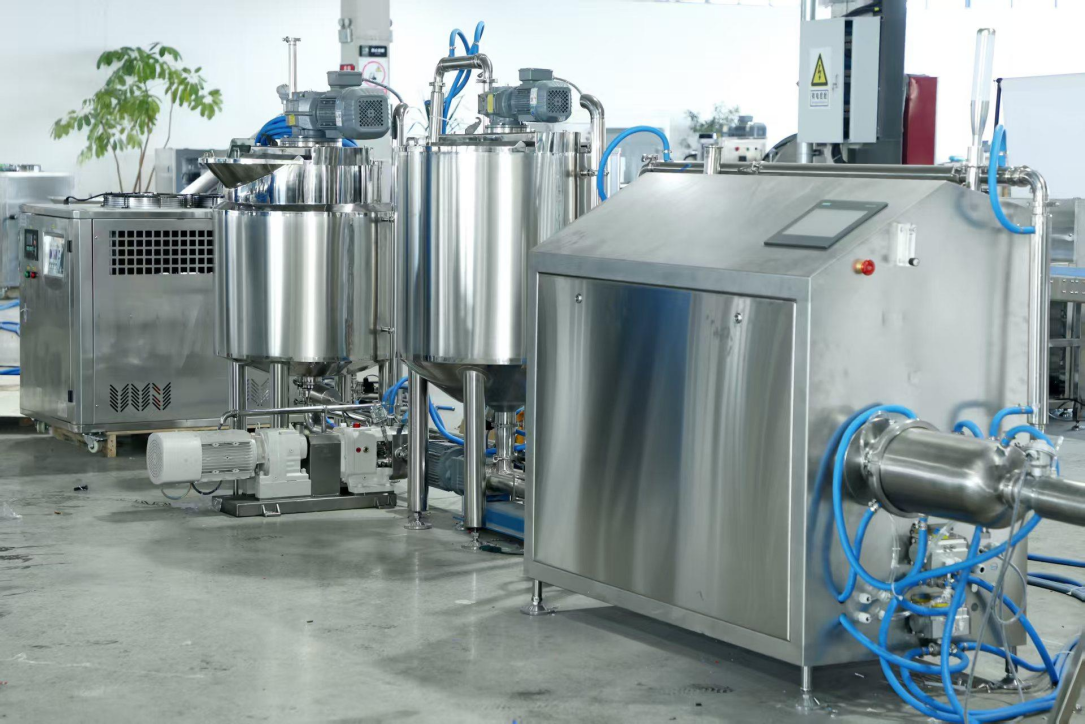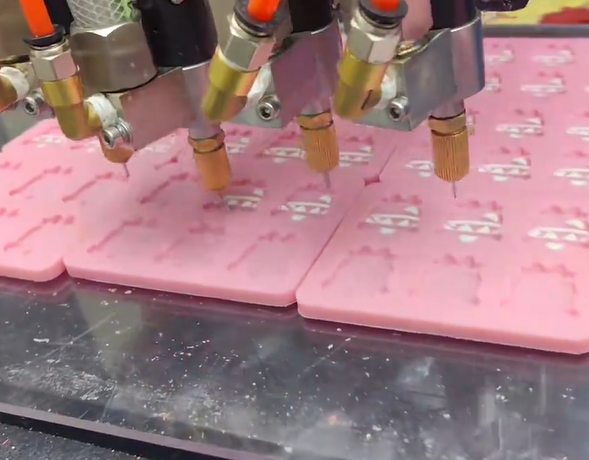
In an era where sustainability is no longer optional but imperative for industries worldwide, the food manufacturing sector faces mounting pressure to minimize environmental impact. Marshmallow production, a seemingly whimsical process involving sugar, gelatin, and whipping into airy confections, generates significant waste from raw materials to packaging. This article explores the provocative question: Is it possible to achieve zero-waste production in a marshmallow plant? By examining challenges, strategies, and real-world innovations, we assess the feasibility of transforming waste streams into resource loops, ensuring a professional lens on practical sustainability.
Table of Contents
Understanding Zero Waste Production
Zero-waste production refers to a systemic approach where all inputs are optimized, and outputs are either products or reusable resources, eliminating landfill-bound waste. In manufacturing, this cradle-to-cradle philosophy, popularized by William McDonough, demands redesigning processes to mimic natural ecosystems. For a marshmallow plant, this means scrutinizing every stage—from sourcing corn syrup and gelatin to flavoring, extruding, and packaging. Transitioning to zero waste requires circular economy principles: reduce, reuse, recycle, and recover. While ambitious, industries like textiles and electronics have edged closer to this ideal, prompting food producers to evaluate applicability.
Marshmallow manufacturing involves high-water usage for mixing, sticky byproducts from sugar crystallization, and non-recyclable packaging residues. Achieving zero waste hinges on quantifying baseline waste—often 10-20% of production mass in confectionery—and implementing closed-loop systems. As we delve deeper, it’s clear that while theoretical models exist, practical hurdles abound.
Challenges in Marshmallow Manufacturing
The unique chemistry of marshmallows poses distinct obstacles. Gelatin, derived from animal collagen, creates viscous waste that’s hard to repurpose due to contamination risks. Sugar syrups lead to effluent high in biochemical oxygen demand (BOD), straining wastewater treatment. Packaging films, often plastic-lined paper, contribute to 30% of solid waste. Energy-intensive drying and aeration processes generate heat waste and dust.
Scalability amplifies issues: Large plants produce thousands of tons annually, making incremental changes insufficient. Regulatory compliance, such as FDA hygiene standards, limits creative reuse, while supply chain variability—fluctuating sugar prices or gelatin shortages—disrupts zero-waste planning. Economic viability remains a barrier; upfront investments in technology can exceed millions, deterring small-to-medium enterprises. Despite these, transitional strategies offer a pathway forward.
Current Waste Streams
To tackle zero waste, identifying streams is crucial. Here’s an overview in list form:
- Sugar and Syrup Residues: Sticky scraps from mixing tanks, comprising 40% of waste.
- Gelatin Byproducts: Unusable trimmings and rinse water, high in proteins.
- Packaging Scraps: Edge cuts and defective wraps, mostly polymers.
- Wastewater: From cleaning, laden with sugars and colors.
- Air Emissions: Volatile organic compounds from flavoring.
These streams, if unmanaged, result in 15-25 kg of waste per ton of marshmallows. Quantifying them via audits is the first step toward elimination, bridging us to innovative solutions.
Strategies for Minimizing Waste
Proven tactics include process optimization, such as precision dosing to cut overruns by 20%. Water recycling via membrane filtration reuses 90% in cleaning. Byproduct valorization turns sugar residues into biogas through anaerobic digestion or animal feed after pasteurization. Gelatin scraps can be hydrolyzed into fertilizers.
Packaging shifts to compostable materials like starch-based films. Digital twins—virtual plant models—predict and preempt waste. Employee training fosters a zero-waste culture. These measures reduce waste by 70-80% in pilots, but full zero requires integration.
Innovative Technologies and Case Studies
Emerging tech accelerates progress. Enzymatic breakdown recycles starches; AI-optimized extrusion minimizes defects. A comparative table highlights key methods:
| Method | Waste Reduced | Cost Savings | Implementation Time |
|---|---|---|---|
| Anaerobic Digestion | Sugar Effluent (50%) | $500K/year | 6-12 months |
| Membrane Filtration | Wastewater (90%) | $300K/year | 3-6 months |
| Compostable Packaging | Plastic Scraps (100%) | $200K/year | Immediate |
Case in point: A European confectioner achieved 95% waste diversion by integrating these, producing biogas for energy. U.S. pilots by Kraft Heinz show marshmallow-like lines nearing zero landfill. These examples illustrate scalability.
Feasibility in Practice
Holistically, zero-waste marshmallows are feasible but not absolute. Absolute zero defies thermodynamics—some entropy loss persists—but “zero landfill” is attainable with 99% diversion. Costs drop post-investment via savings and premiums for sustainable products. Consumer demand, with 78% millennials prioritizing eco-brands, incentivizes change. Barriers like tech access for SMEs persist, necessitating policy support like tax credits. Ultimately, collaboration across supply chains unlocks potential.
In conclusion, while perfect zero-waste production in a marshmallow plant remains aspirational amid inherent process losses, near-zero achievements are not only possible but demonstrably profitable through innovation, audits, and mindset shifts. By embracing circular principles, marshmallow manufacturers can sweeten their environmental footprint, setting a confectionery standard for sustainability. The journey demands commitment, but the rewards—resilient operations and planetary stewardship—are profound.
Our Products
-

Braided Rainbow Marshmallow Ropes Production Line: Best Making Machine Factory & Supplier
-

Bulk Industrial Topping Marshmallows Production Line: Best Making Machine Factory & Supplier
-

Center-filled Fruit Jam Marshmallows Production Line: Best Making Machine Factory & Supplier
-

Chocolate Coated Marshmallow Biscuits Production Line: Best Making Machine Factory & Supplier
-

Custom Shape Die-cut Marshmallows Production Line: Best Making Machine Factory & Supplier
-
Dehydrated Crunchy Micro Marshmallows for Cereal Production Line: Best Making Machine Factory & Supplier