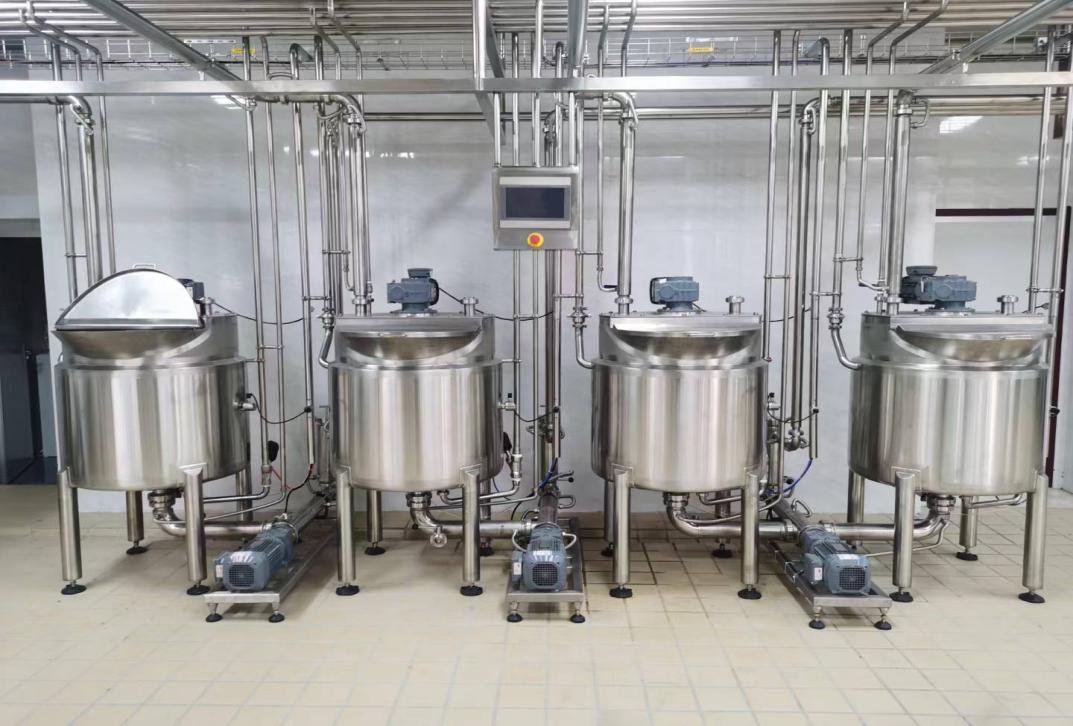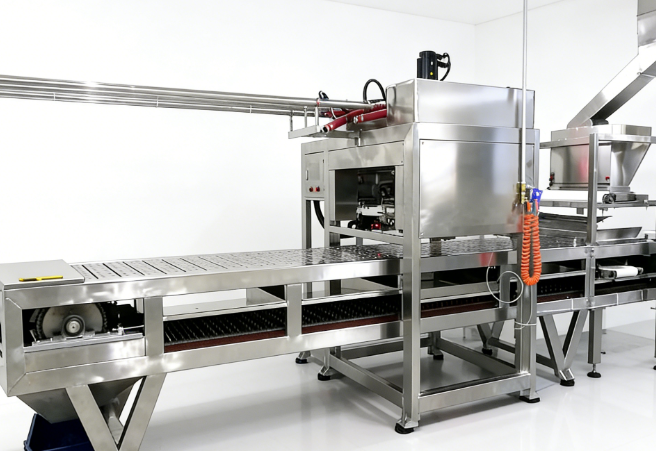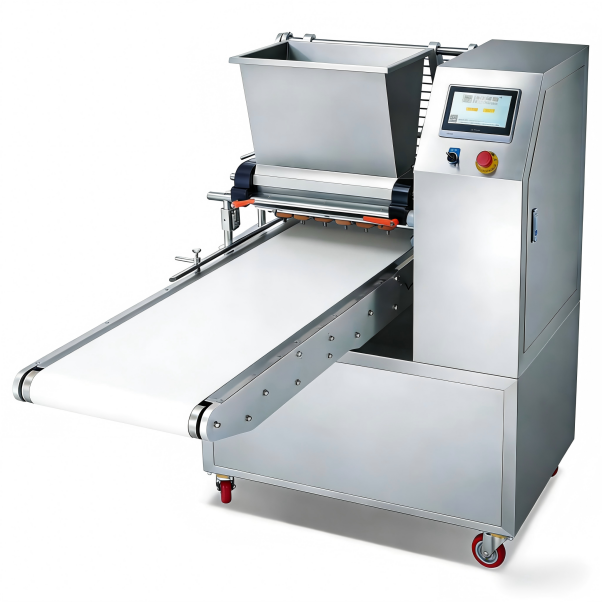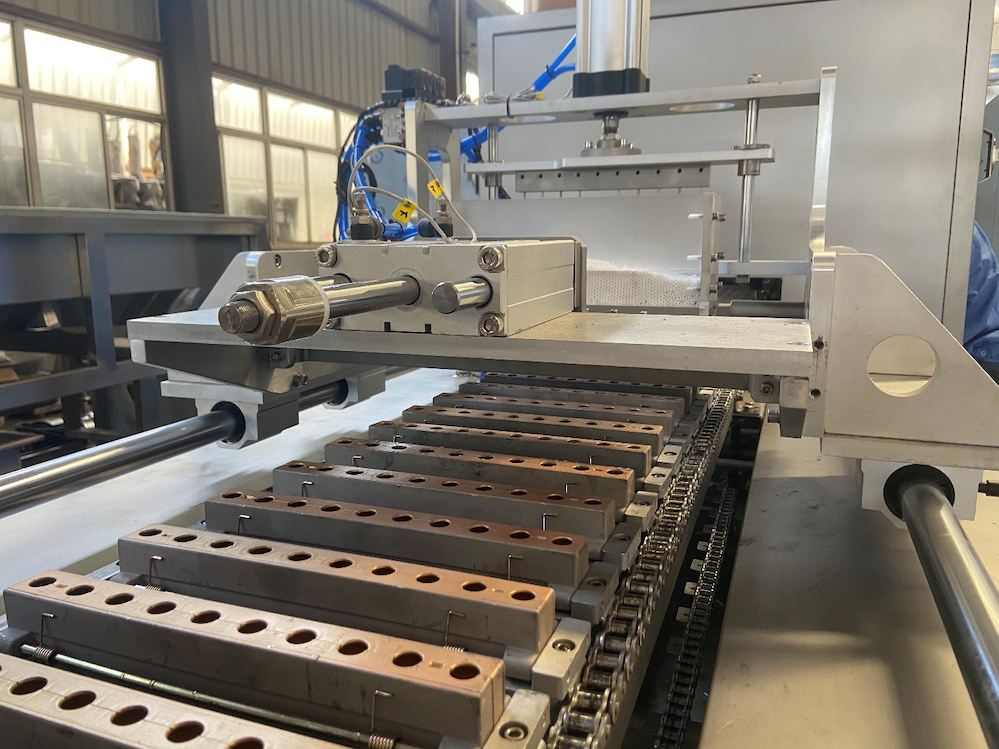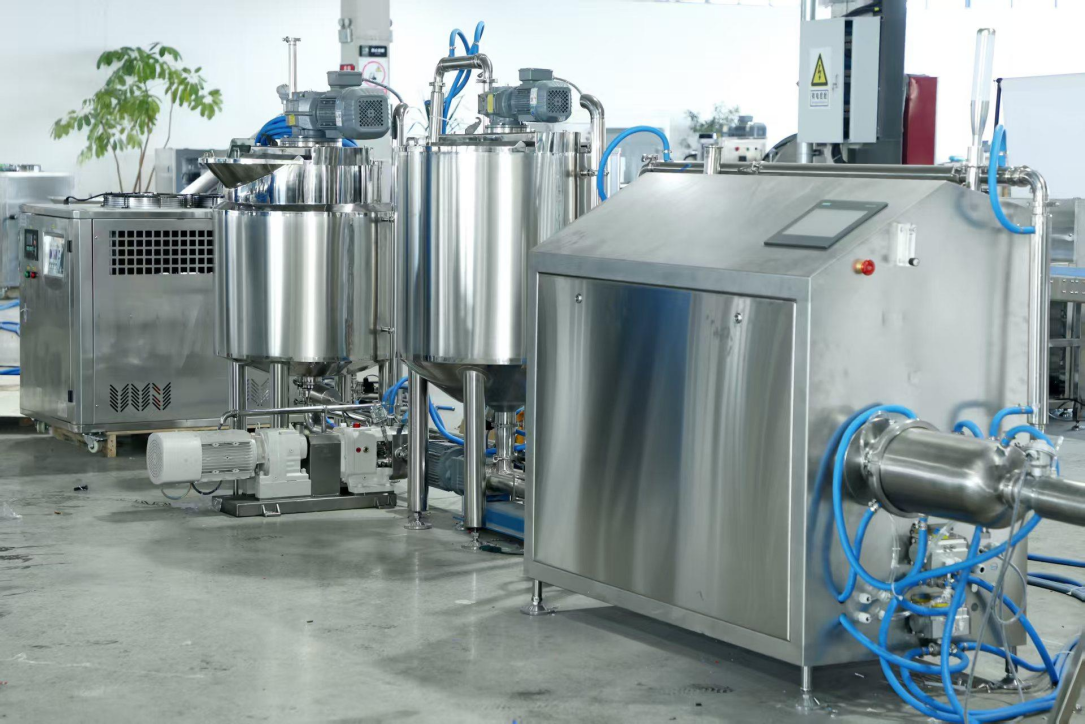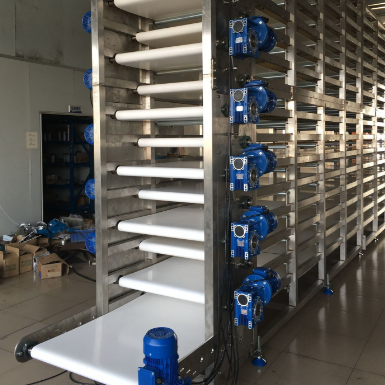
In the competitive confectionery industry, marshmallows have long been a beloved staple, gracing everything from campfire treats to gourmet desserts. However, leading candy brands such as Mars, Hershey, and Ferrara are undergoing a significant transformation by shifting toward fully automated marshmallow production lines. This move is driven by a confluence of technological advancements, economic pressures, and consumer demands for consistency and safety. As production scales to meet global appetites, automation promises not only to streamline operations but also to elevate product quality. This article explores the key reasons behind this industry pivot, examining efficiency gains, cost benefits, and future implications.
Table of Contents
Efficiency and Productivity Gains
One of the primary drivers for adopting fully automated marshmallow lines is the dramatic boost in production efficiency. Traditional manual processes involve labor-intensive steps like mixing, extruding, cutting, and packaging, which are prone to human error and variability. Automated systems, equipped with robotics and AI-driven controls, handle these tasks seamlessly around the clock. For instance, modern lines can produce up to 10,000 marshmallows per minute, a feat unattainable with manual labor. This scalability allows brands to respond swiftly to market fluctuations, such as seasonal spikes in hot chocolate sales during winter.
Transitioning to automation also minimizes downtime. Sensors and predictive maintenance algorithms detect issues before they escalate, reducing unplanned halts by as much as 50%. Consequently, leading brands report throughput increases of 30-40%, enabling them to allocate resources to innovation rather than firefighting production bottlenecks.
Cost Savings and Economic Imperatives
Economic pressures, including rising labor costs and supply chain disruptions, have compelled candy giants to rethink their operations. Labor shortages in manufacturing hubs exacerbate the issue, with wages climbing amid post-pandemic recovery. Fully automated lines address this by slashing labor requirements; a single automated setup might replace dozens of workers for repetitive tasks, yielding savings of 20-30% on operational costs within the first year.
Moreover, automation optimizes raw material usage. Precise dosing of gelatin, sugar, and corn syrup—core marshmallow ingredients—curbs waste, which can account for 5-10% in manual processes. Energy efficiency further compounds savings, as automated systems incorporate variable-speed motors and heat recovery tech. Over time, these efficiencies translate into healthier profit margins, allowing brands to invest in sustainable sourcing or product diversification.
Superior Product Quality and Consistency
Consumers today demand flawless products, and automation delivers unparalleled consistency. Manual lines often result in variations in size, shape, texture, and sweetness due to operator fatigue or skill disparities. Automated lines employ computer vision systems to ensure every marshmallow meets exact specifications, from uniform aeration to precise coatings. This uniformity not only enhances shelf appeal but also extends shelf life through optimized packaging.
Hygiene standards have become non-negotiable, especially after global health scares. Automated environments reduce human contact, minimizing contamination risks from bacteria like Salmonella, which has plagued past recalls. Enclosed systems with HEPA filtration and UV sterilization create sterile zones, aligning with stringent regulations from bodies like the FDA and EU food safety authorities.
Key Advantages of Automated Marshmallow Lines
To illustrate the multifaceted benefits, consider the following list of primary advantages driving adoption:
- Increased production speed and output capacity
- Reduced labor costs and dependency on workforce availability
- Enhanced product uniformity and quality control
- Improved food safety through minimal human intervention
- Lower material and energy waste for sustainability
Comparative Analysis Manual vs Automated Production
The shift becomes even clearer when comparing manual and automated marshmallow lines side by side. The table below highlights key metrics based on industry benchmarks from leading manufacturers.
| Metric | Manual Line | Automated Line | Improvement |
|---|---|---|---|
| Output (kg/hour) | 500-800 | 2,000-5,000 | 3-6x |
| Labor per Shift | 15-20 workers | 3-5 technicians | 75-80% reduction |
| Waste Rate | 8-12% | 1-3% | 70-80% lower |
| Downtime (annual) | 15-20% | 5-8% | 50-60% less |
| Cost per kg | $0.45-$0.60 | $0.25-$0.35 | 30-40% savings |
As the table demonstrates, the quantitative leaps underscore why forward-thinking brands are investing millions in retrofitting or greenfield automated facilities.
Technological Enablers and Sustainability
Advancements in robotics, IoT, and machine learning have made full automation viable and affordable. Collaborative robots (cobots) integrate with legacy equipment, easing transitions. Meanwhile, data analytics from production lines provide actionable insights, fostering continuous improvement. Sustainability is another boon; automated precision reduces water and energy use by 25%, appealing to eco-conscious consumers and regulations pushing for net-zero emissions.
Despite challenges like high upfront costs—often $5-20 million per line—and the need for skilled technicians, ROI materializes within 2-3 years. Leading brands mitigate risks through modular designs and partnerships with automation leaders like Bosch and Tetra Pak.
In conclusion, the migration to fully automated marshmallow lines represents a strategic imperative for leading candy brands, blending efficiency, quality, and cost advantages into a competitive edge. As technology evolves and consumer expectations rise, this trend will likely expand across confectionery, heralding an era of smarter, safer production. By embracing automation, these companies not only future-proof their operations but also delight customers with superior, consistent treats year-round.
Our Products
-

Braided Rainbow Marshmallow Ropes Production Line: Best Making Machine Factory & Supplier
-

Bulk Industrial Topping Marshmallows Production Line: Best Making Machine Factory & Supplier
-

Center-filled Fruit Jam Marshmallows Production Line: Best Making Machine Factory & Supplier
-

Chocolate Coated Marshmallow Biscuits Production Line: Best Making Machine Factory & Supplier
-

Custom Shape Die-cut Marshmallows Production Line: Best Making Machine Factory & Supplier
-
Dehydrated Crunchy Micro Marshmallows for Cereal Production Line: Best Making Machine Factory & Supplier