Table of Contents
Can Your Production Line Handle Vegan or Gelatin Free Marshmallow Recipes
The global demand for plant-based and vegan products has surged in recent years, with consumers increasingly seeking alternatives to animal-derived ingredients. Marshmallows, a beloved confectionery staple traditionally made with gelatin, now face pressure to adapt to vegan preferences. Gelatin, sourced from animal collagen, provides the signature fluffy texture but excludes vegans and those with dietary restrictions. As manufacturers explore gelatin-free recipes using plant-based gelling agents like agar-agar, pectin, or carrageenan, a critical question arises: Can your existing production line accommodate these changes without major overhauls? This article examines the feasibility, challenges, and strategies for transitioning to vegan marshmallow production, helping food processors evaluate their capabilities.
Understanding Traditional Versus Gelatin Free Formulations
Traditional marshmallow recipes rely on gelatin for its unique gelling properties—rapid setting, thermoreversibility, and elasticity—which create the airy, melt-in-your-mouth texture. Gelatin hydrates quickly in hot sugar syrups, stabilizes foams during whipping, and ensures stability during packaging. In contrast, vegan alternatives must mimic these traits using plant-derived hydrocolloids.
Agar-agar, derived from seaweed, gels firmly but lacks gelatin’s elasticity, often resulting in brittle textures unless blended with modifiers. Pectin, from citrus peels or apples, excels in high-sugar environments but requires precise pH control. Aquafaba, the liquid from chickpeas, whips into stable foams like egg whites but introduces flavor challenges. These substitutes alter the recipe’s rheology, whipping times, and curing processes, demanding adjustments beyond mere ingredient swaps.
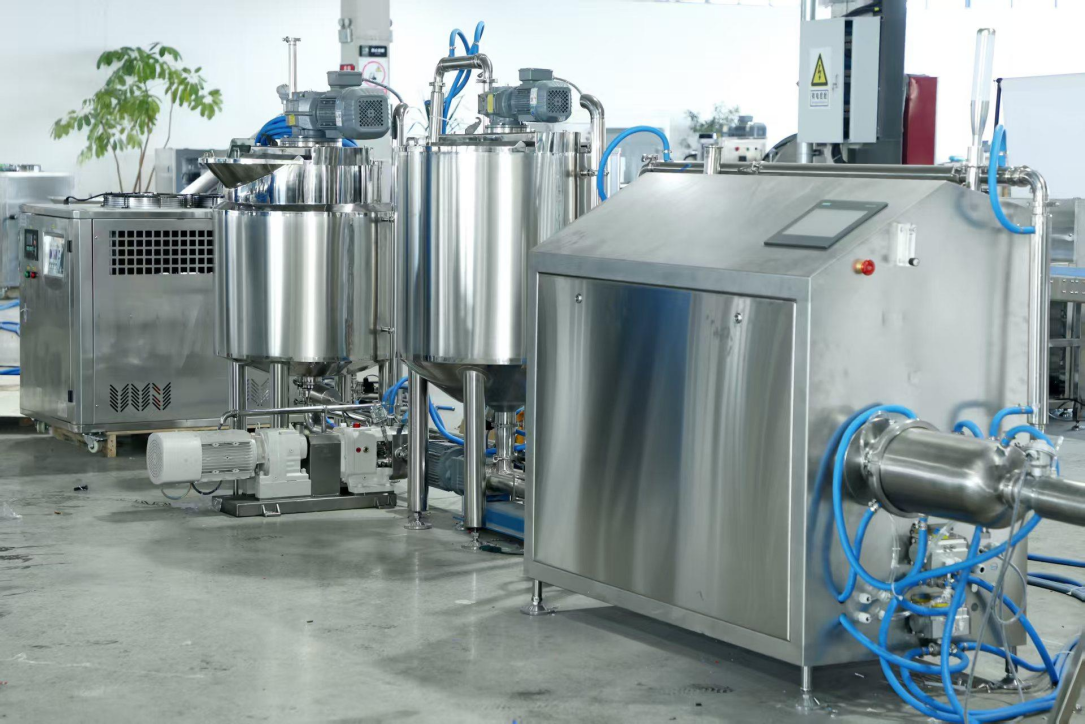
Transitioning smoothly requires assessing how these changes impact upstream mixing, cooking, aeration, and downstream forming, cutting, and enrobing. As we delve deeper, it becomes clear that while feasible, success hinges on equipment compatibility and process optimization.
Key Ingredients in Vegan Marshmallow Recipes
Vegan marshmallows typically combine multiple gelling agents to approximate gelatin’s performance. Common formulations include:
- Agar-agar for primary gelling, dosed at 1-2% for firmness.
- Pectin (high-methoxyl or low-methoxyl) for chewiness, at 0.5-1.5%.
- Carrageenan (kappa or iota types) for synergy in foam stability.
- Aquafaba or plant-based gums like locust bean gum for aeration.
- Sugar syrups, corn syrup, and flavors remain similar, but humectants like sorbitol may enhance moisture retention.
These ingredients demand hotter processing temperatures—agar sets above 85°C compared to gelatin’s 40°C—potentially stressing cookers and heat exchangers. Flavor masking agents might also be necessary, as aquafaba imparts beany notes. Formulators must balance these for shelf-stable products with a 6-12 month viability, comparable to traditional versions.
Production Challenges and Solutions
Adapting a production line involves tackling several hurdles. First, gelling kinetics differ: vegan mixes set slower or irreversibly, complicating continuous flow lines. Whipping stages extend from 5-10 minutes to 15-20, risking over-aeration and collapse. Extrusion dies may clog due to higher viscosities, and cutting knives struggle with firmer gels.
Moreover, sanitation protocols intensify; plant gums are prone to microbial growth, necessitating validated clean-in-place (CIP) cycles. Scaling from lab to production amplifies issues like heat transfer inconsistencies in scraped-surface heat exchangers.
To address these, manufacturers often implement pilot testing. For instance, retrofitting aerators with variable speed drives accommodates longer whip times, while chilled forming tunnels stabilize vegan gels faster. These modifications underscore proactive engineering.
Equipment Compatibility Assessment
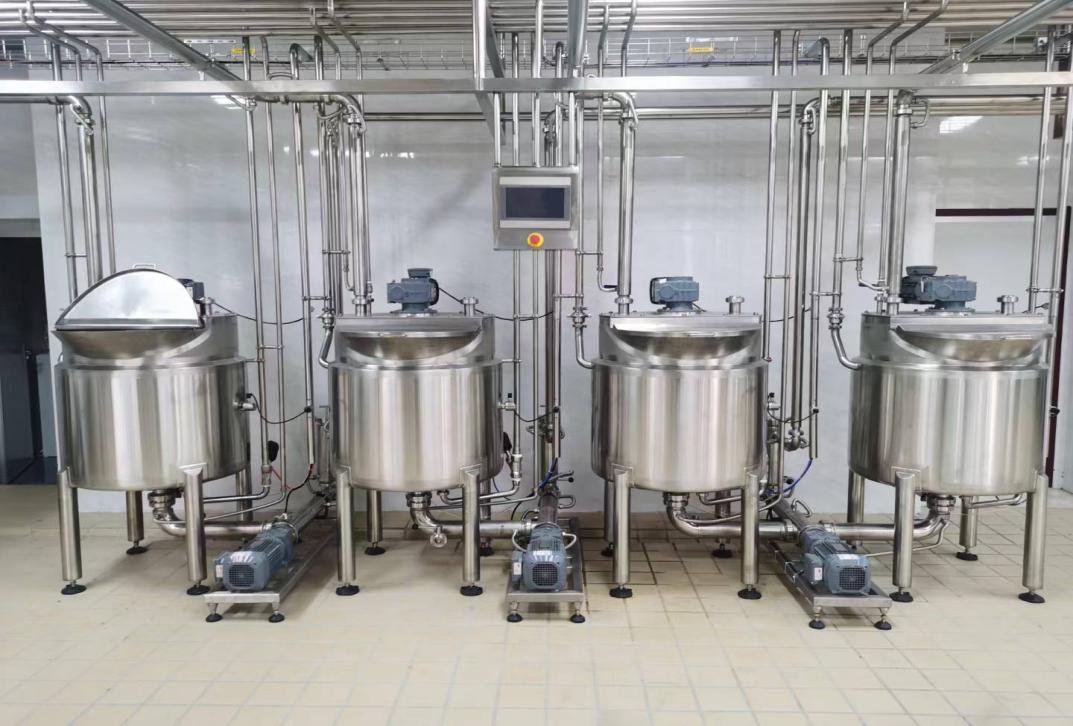
A thorough audit of your production line is essential. Below is a comparison table highlighting key differences in processing parameters:
| Parameter | Gelatin-Based | Vegan (Agar/Pectin) | Adaptation Needed |
|---|---|---|---|
| Cooking Temperature | 100-110°C | 110-120°C | Upgrade heat exchangers |
| Whipping Time | 5-10 min | 15-25 min | Variable speed aerators |
| Gelling Time | 30-60 min at 20°C | 60-120 min or chilled | Cooling tunnels |
| Viscosity (cps) | 10,000-20,000 | 20,000-40,000 | Larger pumps/nozzles |
| Shelf Life | 12 months | 6-12 months | Enhanced packaging |
This table illustrates targeted upgrades, often costing 10-20% of line value but yielding 15-30% market expansion via vegan labeling. Continuous mixers and inline viscometers further optimize control, bridging gaps seamlessly.
Building on this assessment, integrating sensors for real-time pH, Brix, and temperature monitoring ensures consistency. Suppliers like Ingredion or Cargill offer technical support for custom blends tailored to your equipment footprint.
Benefits and Market Opportunities
Beyond compliance, vegan marshmallows tap into a booming $8 billion plant-based confectionery market, projected to grow 12% annually. Brands like Dandies and Trader Joe’s vegan lines demonstrate consumer acceptance, with blind taste tests showing 80% preference parity.
Furthermore, gelatin-free production reduces supply chain volatility, as gelatin prices fluctuate with bovine markets. Sustainability gains—lower water use and carbon footprint—appeal to eco-conscious buyers. As regulatory pressures for allergen transparency rise, dual lines enable flexible production, minimizing downtime.
Conclusion
In summary, while vegan or gelatin-free marshmallow recipes pose distinct challenges to conventional production lines—from ingredient behaviors to equipment demands—strategic adaptations make them viable. By auditing your setup, leveraging comparative tools like the provided table, and testing incrementally, manufacturers can harness this trend. The investment not only future-proofs operations but positions your brand in a diverse, inclusive marketplace. Consult formulation experts and run trials to confirm: Yes, your production line can handle vegan marshmallows, unlocking new revenue streams with the right approach.
Our Products
-

Braided Rainbow Marshmallow Ropes Production Line: Best Making Machine Factory & Supplier
-

Bulk Industrial Topping Marshmallows Production Line: Best Making Machine Factory & Supplier
-

Center-filled Fruit Jam Marshmallows Production Line: Best Making Machine Factory & Supplier
-

Chocolate Coated Marshmallow Biscuits Production Line: Best Making Machine Factory & Supplier
-

Custom Shape Die-cut Marshmallows Production Line: Best Making Machine Factory & Supplier
-
Dehydrated Crunchy Micro Marshmallows for Cereal Production Line: Best Making Machine Factory & Supplier