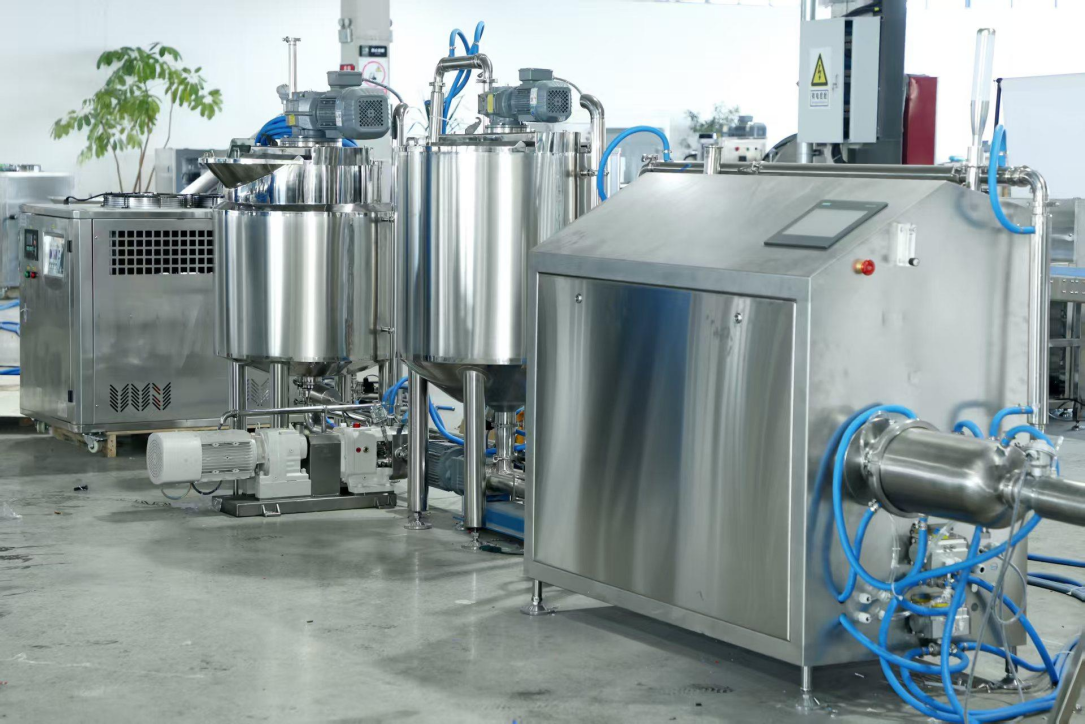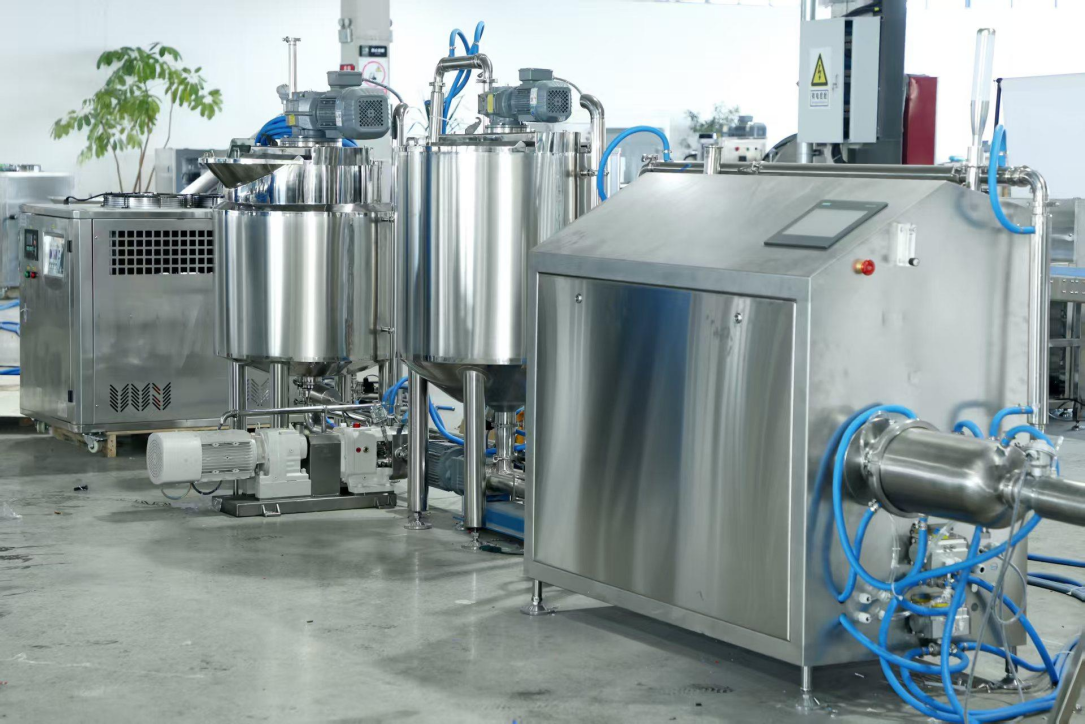
The confectionery industry relies heavily on specialized machinery for producing candies, from mixers and extruders to packaging lines. Exporting this equipment globally is a complex endeavor, influenced by volatile economic conditions. As businesses navigate international markets, understanding how global economic shifts impact these export costs becomes crucial. This article explores the key mechanisms through which macroeconomic changes affect the pricing and logistics of candy machinery exports. We will examine production costs, supply chain dynamics, currency fluctuations, and trade policies, providing insights for manufacturers and exporters.
Table of Contents
Defining Global Economic Shifts
Global economic shifts refer to broad changes in the world economy, such as recessions, inflationary pressures, supply chain disruptions, and geopolitical tensions. These events ripple through industries worldwide, altering the cost structures of exporting high-value goods like candy machinery. For instance, the COVID-19 pandemic exemplified how sudden disruptions can spike logistics expenses, while ongoing trade tensions between major economies continue to impose tariffs. Transitioning from these definitions, let’s delve into how these shifts specifically influence production expenses.
Impacts on Production Costs
Manufacturing candy machinery involves sourcing steel, electronics, and precision components, all of which are sensitive to commodity price swings. When global economies experience inflation—often triggered by supply shortages or energy crises—raw material costs escalate. Steel prices, for example, surged by over 50% during the 2021 supply chain bottlenecks. Manufacturers pass these increases onto exporters, raising the base price of machinery. Labor costs also fluctuate; in regions like China or Europe, where much candy equipment is produced, wage inflation amid economic recovery adds to overheads. As production costs climb, exporters face thinner margins unless they adjust pricing, which can deter price-sensitive buyers in developing markets. Building on this, transportation represents another vulnerable link in the chain.
Transportation and Logistics Challenges
Exporting bulky machinery amplifies the effects of economic shifts on freight rates. Ocean shipping costs, which account for 20-30% of total export expenses for heavy equipment, have fluctuated wildly. The 2021-2022 surge saw container rates from Asia to Europe quadruple due to port congestions and fuel price hikes tied to geopolitical events like the Russia-Ukraine conflict. Air freight, used for urgent or high-value parts, becomes prohibitively expensive during fuel shortages. Moreover, economic downturns reduce overall trade volumes, leading carriers to impose surcharges. These logistics hurdles not only inflate costs but also extend delivery times, tying up exporter capital. To illustrate these dynamics more clearly, consider the following table summarizing recent impacts:
| Economic Shift | Example Event | Impact on Freight Costs | Average Increase (%) |
|---|---|---|---|
| Supply Chain Disruptions | COVID-19 Port Closures (2020-2022) | Container shortages and delays | 200-400 |
| Fuel Price Volatility | Oil shocks from Ukraine War (2022) | Higher bunker fuel expenses | 50-100 |
| Global Recession | 2008 Financial Crisis | Reduced capacity, surcharges | 30-50 |
| Inflationary Pressures | Post-Pandemic Recovery (2023) | Wage and maintenance hikes | 20-40 |
This table highlights how interconnected economic factors compound logistics expenses. Moving forward, currency movements introduce yet another layer of complexity.
Currency Fluctuations and Exchange Rates
Exporters of candy machinery often deal in multiple currencies, making them susceptible to forex volatility driven by economic shifts. A strengthening U.S. dollar, common during global uncertainty as investors seek safe havens, raises costs for buyers in weaker-currency nations like those in Latin America or Southeast Asia. Conversely, a depreciating producer currency, such as the euro amid Eurozone slowdowns, can temporarily boost competitiveness but erodes profits when repatriated. Central bank policies, like interest rate hikes to combat inflation, exacerbate these swings. For candy machinery firms based in Germany or Italy—key exporters—the euro’s fluctuations against the dollar directly impact U.S. market pricing. These exchange rate risks underscore the need for hedging strategies, which we will address shortly.
Trade Policies and Tariffs
Geopolitical economic shifts often manifest as protectionist measures. U.S.-China trade wars since 2018 imposed tariffs up to 25% on industrial machinery, directly hiking export costs from Asia. Similarly, post-Brexit UK-EU arrangements added customs complexities for European candy equipment makers. Economic nationalism, fueled by recessions, leads to retaliatory tariffs that fragment markets and increase compliance costs like certifications and duties. While free trade agreements like CPTPP offer relief, their benefits erode during bilateral disputes. These policy shifts force exporters to reroute supply chains, incurring one-time relocation expenses estimated at 5-15% of annual costs.
Mitigation Strategies for Exporters
To counteract these challenges, candy machinery exporters can adopt proactive measures. The following unordered list outlines key strategies:
- Diversify suppliers across regions to buffer against localized disruptions.
- Implement currency hedging through forwards or options to lock in rates.
- Invest in local assembly hubs near key markets to reduce shipping distances.
- Leverage digital logistics platforms for real-time tracking and cost optimization.
- Build flexible pricing models incorporating economic indices.
By integrating these approaches, firms enhance resilience. In conclusion, synthesizing these elements reveals a multifaceted landscape.
Conclusion
Global economic shifts profoundly influence the cost of exporting candy machinery, from raw material inflation and logistics surges to currency volatility and tariff barriers. As outlined, production, transportation, forex, and policy factors interconnect, demanding adaptive strategies. For industry stakeholders, staying informed and agile is paramount. By monitoring indicators like PMI indices and freight indices, exporters can anticipate shifts and safeguard profitability. Ultimately, those who navigate these dynamics effectively will thrive in an increasingly interconnected global economy, ensuring the sweet success of the confectionery sector endures.
Our Products
-

Braided Rainbow Marshmallow Ropes Production Line: Best Making Machine Factory & Supplier
-

Bulk Industrial Topping Marshmallows Production Line: Best Making Machine Factory & Supplier
-

Center-filled Fruit Jam Marshmallows Production Line: Best Making Machine Factory & Supplier
-

Chocolate Coated Marshmallow Biscuits Production Line: Best Making Machine Factory & Supplier
-

Custom Shape Die-cut Marshmallows Production Line: Best Making Machine Factory & Supplier
-
Dehydrated Crunchy Micro Marshmallows for Cereal Production Line: Best Making Machine Factory & Supplier