Table of Contents
Are You Choosing the Right Marshmallow Production Line or Just the Cheapest One?
In the competitive world of confectionery manufacturing, selecting the right marshmallow production line is a critical decision that can make or break your business. With rising demand for these fluffy treats, producers often face the temptation to opt for the cheapest option available. However, focusing solely on upfront costs can lead to hidden expenses, production inefficiencies, and subpar product quality. This article explores why choosing the right production line—based on long-term value rather than price alone—is essential for sustainable success. By examining key factors, we will guide you toward informed decision-making.
Understanding Marshmallow Production Lines
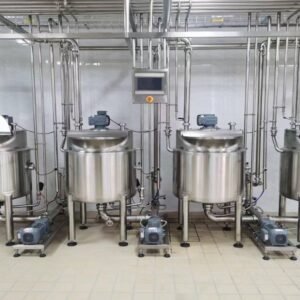
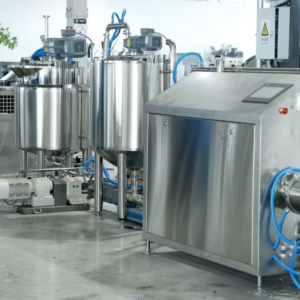
Marshmallow production lines are sophisticated systems that handle everything from mixing gelatin and sugar syrups to extruding, cooling, cutting, and packaging the final product. Modern lines integrate cooking, aeration, deposition, and drying stages, often fully automated for high output. While basic models might cost half as much as premium ones, they frequently compromise on precision and reliability. Transitioning from a low-end to a quality line can boost efficiency by up to 30%, according to industry reports. Therefore, it’s vital to assess how a production line aligns with your operational needs before committing.
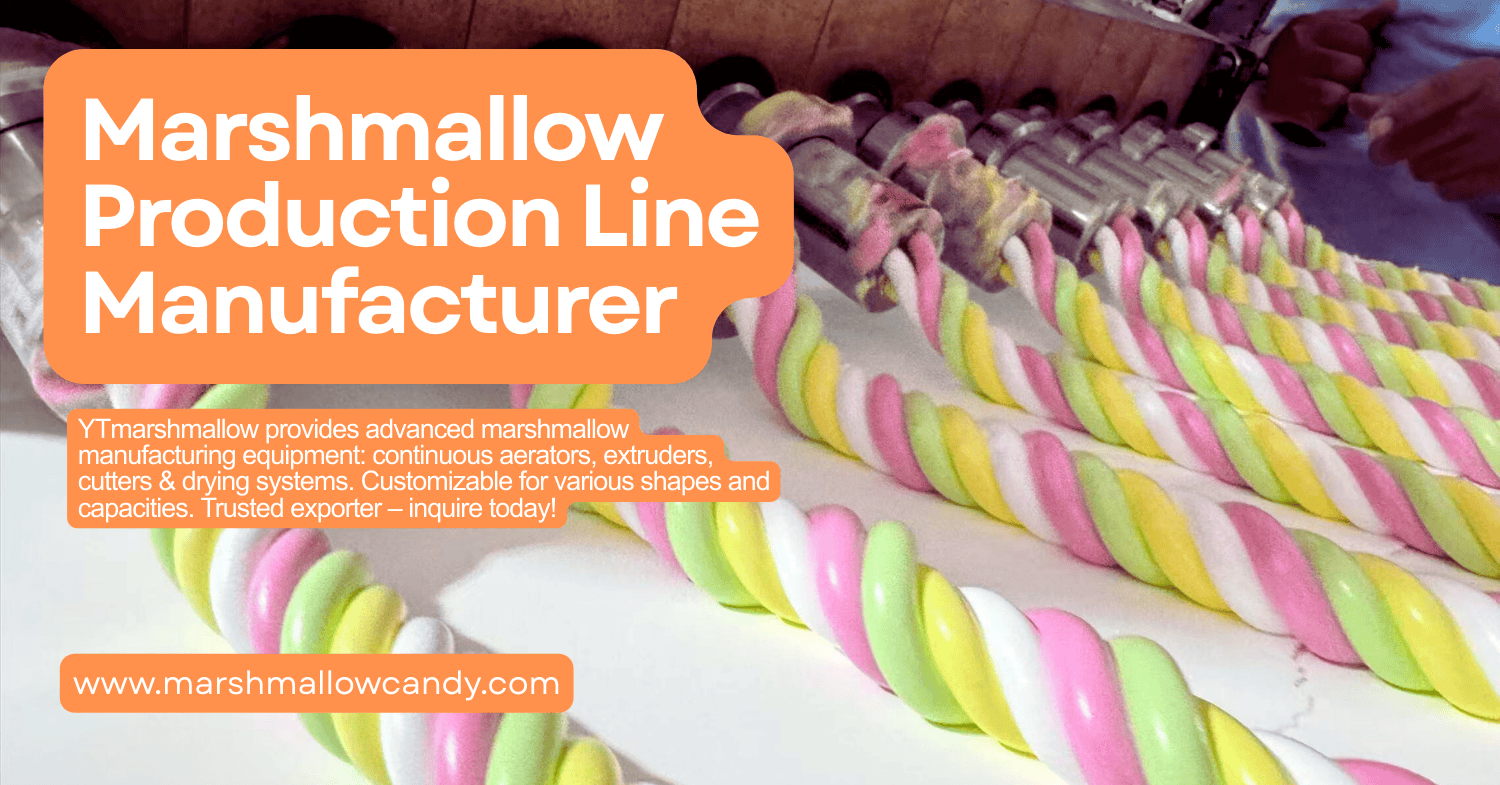
As illustrated above, a well-designed line ensures uniform marshmallows with consistent texture and size, crucial for brand reputation.
The Pitfalls of Choosing the Cheapest Option
Opting for the lowest bidder often results in immediate regrets. Cheap lines typically use inferior materials like thin stainless steel or low-grade motors, leading to frequent breakdowns and high maintenance costs. For instance, poor aeration controls can produce uneven marshmallows prone to defects, increasing waste by 15-20%. Moreover, energy-inefficient designs inflate utility bills over time. In one case study, a mid-sized producer saved $50,000 annually after switching from a budget line due to reduced downtime. These pitfalls underscore the importance of looking beyond the price tag. Instead, evaluate total cost of ownership (TCO), which includes purchase price, operations, maintenance, and energy use.
Key Factors for Selecting the Right Production Line
To choose wisely, consider multiple dimensions that ensure reliability and profitability. Capacity matching is paramount: a line producing 500kg/hour might suit startups, but scaling businesses need 2,000kg+ capabilities. Furthermore, product versatility allows experimentation with shapes, flavors, and sizes without retooling. Hygiene standards, compliant with HACCP and FDA regulations, prevent contamination risks.
Here is a concise list of essential factors to evaluate:
- Build Quality and Durability: Opt for food-grade stainless steel (304 or 316) with robust components for 10+ years of service.
- Automation and Controls: PLC systems with touchscreen interfaces for precise recipe management and minimal operator error.
- Energy Efficiency: Lines with heat recovery systems reduce consumption by 25%, lowering TCO.
- Maintenance and Support: Choose suppliers offering on-site training, spare parts availability, and 24/7 technical assistance.
- Scalability and Customization: Modular designs that expand with your growth, including options for vegan or sugar-free recipes.
By prioritizing these elements, you transition from reactive fixes to proactive efficiency, ensuring smooth operations.
Total Cost of Ownership Versus Initial Price
A common misconception is equating low purchase price with savings. In reality, premium lines offer faster ROI through higher throughput and lower waste. Calculate TCO using this formula: Initial Cost + (Annual Maintenance x Lifespan) + (Energy Costs x Output) – Revenue Gains. For a $200,000 quality line versus a $100,000 cheap one, the former might pay for itself in 18 months via 20% higher productivity. Industry benchmarks from the International Confectionery Association show quality lines yielding 15-25% better margins long-term. Additionally, reputable manufacturers provide warranties up to 5 years, safeguarding your investment. Moving forward, integrate vendor audits and pilot tests to validate claims.
Real-World Examples and Best Practices
Consider a European marshmallow giant that initially chose a bargain Chinese import, facing $30,000 in repairs within the first year. Switching to a European-engineered line slashed defects by 40% and doubled output. Best practices include requesting production demos, analyzing ROI spreadsheets, and consulting peers via trade shows like ISM Cologne. Certifications such as CE marking or ISO 22000 signal adherence to global standards. As you evaluate suppliers, ask about uptime guarantees—above 98% is ideal. These steps bridge the gap between cost and value seamlessly.
Conclusion
In summary, selecting a marshmallow production line demands a strategic approach prioritizing quality, efficiency, and support over mere affordability. By weighing factors like durability, scalability, and TCO—supported by the key considerations outlined—you position your business for enduring growth amid fluctuating demands. Avoid the allure of cheap alternatives that erode profits through downtime and waste. Invest in the right line today, and reap the rewards of consistent, high-quality output tomorrow. Your marshmallows—and your bottom line—deserve nothing less.