In the competitive world of confectionery manufacturing, production efficiency can make or break a factory’s profitability. Automatic marshmallow lines represent a significant technological advancement, promising streamlined operations from mixing and aerating to depositing, cooling, and packaging. But with upfront costs running into hundreds of thousands of dollars, factory owners often ponder: is this investment truly worthwhile? This article delves into the key factors—benefits, costs, return on investment (ROI), and potential pitfalls—to help you decide if an automatic marshmallow line aligns with your factory’s goals. By examining real-world data and industry insights, we’ll provide a balanced view to guide your decision-making process.
Table of Contents
Understanding Automatic Marshmallow Lines
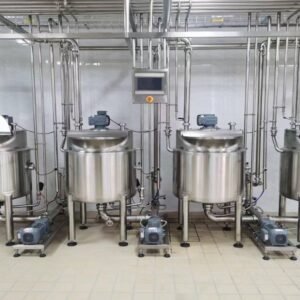
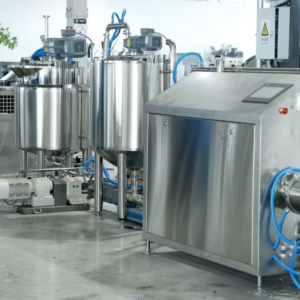
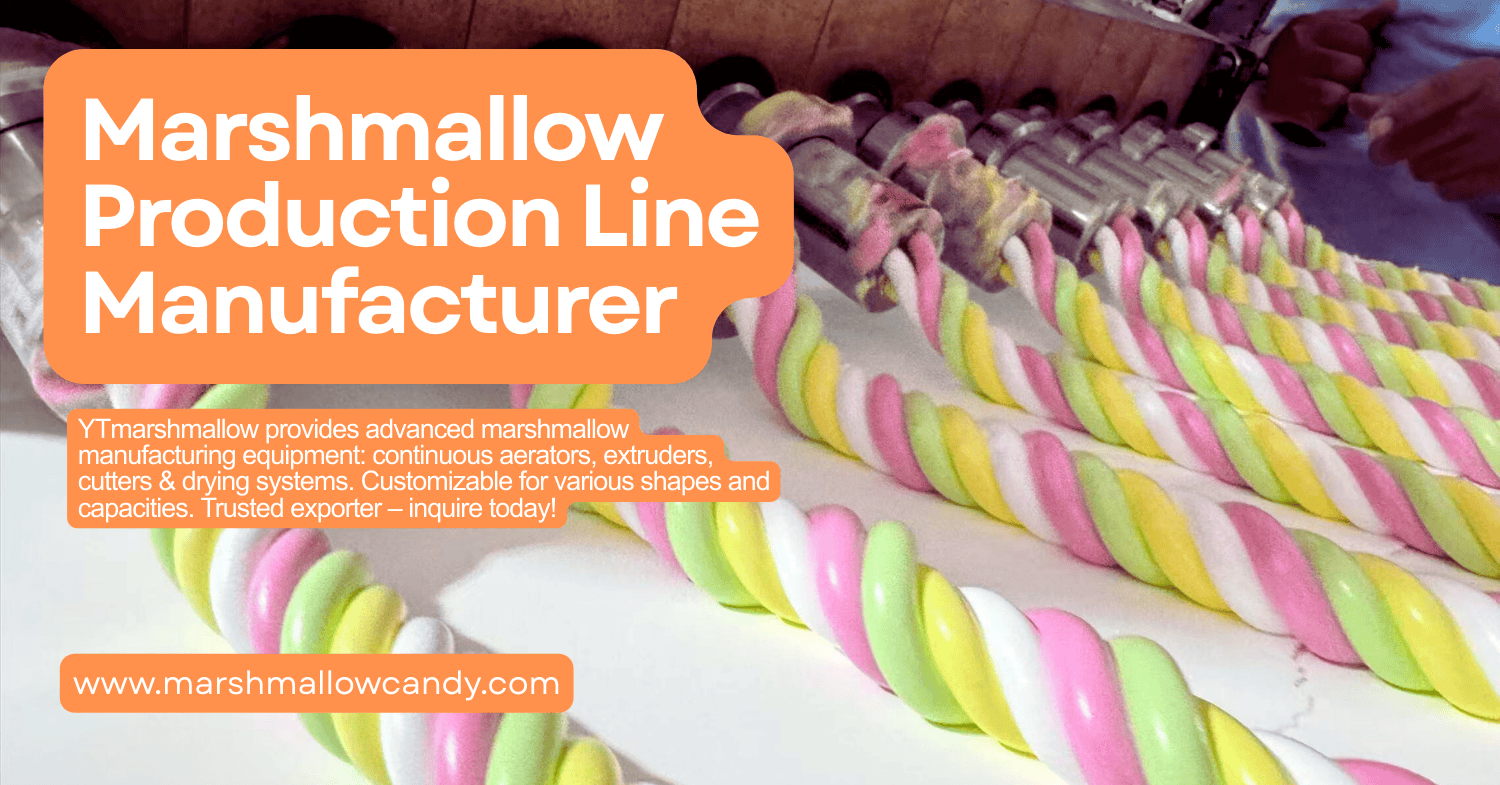
Automatic marshmallow lines are fully integrated systems designed to produce marshmallows at scale with minimal human intervention. These lines typically include high-capacity mixers for gelatin and sugar syrups, continuous aerators to achieve the signature fluffy texture, starch moguls for molding, drying tunnels, and automated cutters and packagers. Modern systems can output up to 5,000 kilograms per hour, far surpassing manual or semi-automatic setups. Transitioning to such technology not only boosts output but also ensures consistency in product quality, which is crucial for meeting retail standards and consumer expectations. As factories scale up to meet growing demand for marshmallows in various forms—from classic pillows to gourmet twists—these lines become pivotal.
Key Benefits of Automation
Investing in an automatic line offers multifaceted advantages that extend beyond mere production speed. First, labor savings are substantial; what once required dozens of workers can now be handled by a handful of operators. Additionally, reduced waste from precise dosing and minimal downtime enhances material efficiency. Quality control improves through sensors that monitor viscosity, temperature, and deposition accuracy, minimizing defects like uneven shapes or sticky products.
To illustrate, consider these primary benefits:
- Increased production capacity by 300-500% compared to manual lines.
- Consistent product quality, reducing returns by up to 40%.
- Enhanced food safety via enclosed processes and automated sanitation cycles.
- Energy efficiency through optimized heating and cooling systems.
- Flexibility for product variations, such as flavored or shaped marshmallows, with quick recipe changes.
These gains collectively position automated lines as a strategic asset, paving the way for market expansion and premium pricing.
Cost Breakdown and Financial Considerations
Of course, no investment discussion is complete without scrutinizing the numbers. Initial costs for a mid-range automatic marshmallow line range from $500,000 to $1.5 million, depending on capacity and features. Ongoing expenses include maintenance, utilities, and training. However, savings in labor and materials often offset these within 2-4 years.
The following table provides a detailed cost comparison for a hypothetical 2,000 kg/hour line versus a semi-automatic setup over five years:
| Category | Automatic Line | Semi-Automatic | Savings with Automatic |
|---|---|---|---|
| Initial Investment | $800,000 | $250,000 | -$550,000 |
| Annual Labor (10 workers) | $150,000 | $500,000 | $350,000 |
| Annual Maintenance | $50,000 | $30,000 | -$20,000 |
| Annual Utilities/Waste | $80,000 | $120,000 | $40,000 |
| 5-Year Total | $2,000,000 | $3,050,000 | $1,050,000 |
As shown, the long-term savings are compelling, especially for high-volume producers. Financing options, such as leasing or government grants for automation, can further mitigate upfront burdens.
Calculating Return on Investment
ROI is the linchpin of this decision. For a typical factory producing 10 tons daily, an automatic line could generate an additional $1-2 million in annual revenue through higher output and reduced costs. Using the formula ROI = (Net Profit / Investment Cost) x 100, factories often see 25-40% ROI in the first year post-installation. Break-even typically occurs within 24-36 months. Factors like raw material prices and market demand influence this; in booming markets for vegan or organic marshmallows, payback accelerates. Moreover, automation future-proofs your operation against labor shortages, a growing concern in manufacturing.
Potential Challenges and Risks
While benefits abound, challenges merit attention. High initial capital demands may strain smaller factories, and integration with existing infrastructure could incur unexpected downtime costs. Skilled technicians are needed for upkeep, and customizations for unique recipes add expense. Supply chain disruptions for parts, often imported, pose risks. However, reputable suppliers offer warranties and remote diagnostics to address these. A thorough feasibility study, including pilot testing, is advisable before committing.
Transitioning smoothly requires planning: phased implementation allows gradual workforce retraining, minimizing disruptions.
RealWorld Case Studies
Consider CandyCo, a mid-sized U.S. factory that installed a $900,000 line in 2022. Output doubled, labor costs dropped 60%, and they captured new retail contracts, achieving ROI in 28 months. Conversely, a smaller European producer faced delays due to poor planning but still broke even in four years. These examples underscore that success hinges on scale, preparation, and supplier selection.
In summary, from enhanced efficiency to robust financial returns, the evidence leans positive.
Conclusion
Is an automatic marshmallow line worth the investment for your factory? For operations producing over 5 tons daily with stable demand, the answer is a resounding yes—offering scalability, quality, and profitability that manual systems can’t match. Smaller factories might opt for modular automation first. Ultimately, conduct a tailored ROI analysis and consult industry experts. In an era of rising costs and consumer demands for perfection, embracing automation isn’t just worthwhile; it’s essential for sustained success. By weighing these factors, your factory can confidently step into a sweeter, more efficient future.