Table of Contents
How Do European and Chinese Marshmallow Production Lines Compare in 24/7 Operations?
The global confectionery industry relies heavily on efficient production lines capable of operating continuously around the clock. Marshmallow manufacturing, with its unique processes involving aeration, extrusion, and drying, exemplifies the demands of 24/7 operations. This article compares European and Chinese marshmallow production lines, focusing on key factors such as technology, efficiency, maintenance, labor, quality control, and costs. By examining these aspects, manufacturers can better understand the trade-offs between precision-driven European systems and volume-oriented Chinese setups. As the market grows, particularly in emerging economies, such comparisons provide valuable insights for investment decisions.
Technology and Automation Levels
European production lines, often from companies like Haas or Apple Industrial, emphasize advanced automation. These systems integrate robotics, AI-driven monitoring, and Industry 4.0 technologies, enabling seamless 24/7 operation with minimal human intervention. For instance, inline aeration units adjust viscosity in real-time using sensors, ensuring consistent marshmallow texture even during extended runs.
In contrast, Chinese lines from manufacturers such as Guangdong Yihui or Shanghai Joygoal prioritize modular designs and cost-effective automation. While rapidly advancing, they typically feature semi-automated extruders and PLC controls rather than full AI integration. This allows for quick scalability but may require more frequent adjustments during continuous shifts. Transitioning from setup to full production, European lines achieve faster stabilization, reducing initial downtime by up to 20% compared to Chinese counterparts.
Operational Efficiency and Output
Under 24/7 conditions, efficiency is paramount. European lines boast output rates of 2-5 tons per hour, with uptime exceeding 98% due to redundant systems and predictive analytics. Energy-efficient ovens and cooling tunnels minimize waste, aligning with sustainability goals prevalent in the EU.
Chinese lines excel in high-volume production, often reaching 3-7 tons per hour on larger setups, but with uptime around 92-95%. Their strength lies in flexibility; modular components allow rapid recipe changes without halting the line. However, in prolonged 24/7 runs, European systems demonstrate superior consistency, producing fewer defects per shift. For example, aeration efficiency in European depositors maintains bubble stability over weeks, while Chinese systems might experience minor foaming variations after 48 hours.
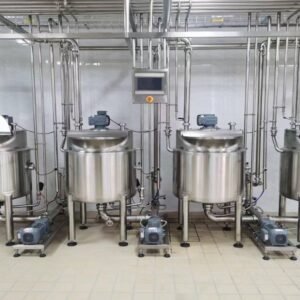
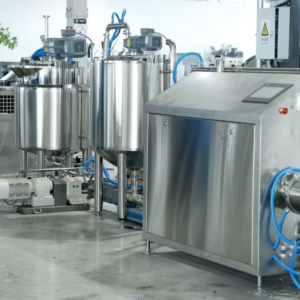
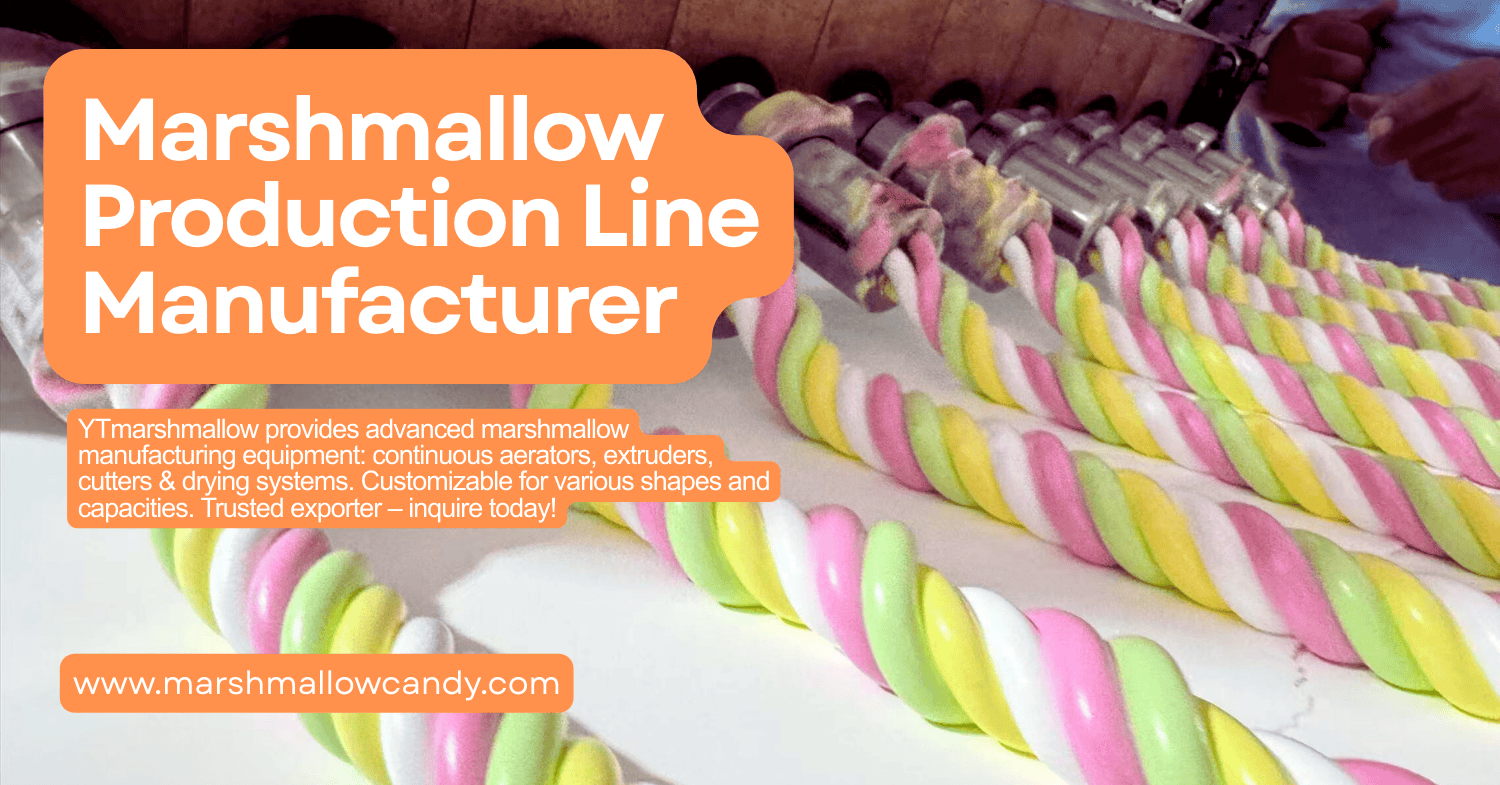
To illustrate these differences visually, consider the following comparison image of a typical European versus Chinese extrusion line in action:

Maintenance and Reliability in Continuous Operations
Reliability under 24/7 stress defines long-term viability. European lines incorporate self-diagnostic tools and remote monitoring, scheduling predictive maintenance during brief downtimes. Bearings and pumps are engineered for 10,000+ hours of operation, with modular replacements that take under an hour.
Chinese equipment relies on robust, simpler mechanics, with maintenance intervals every 500-1,000 hours. While downtime for repairs averages 2-4 hours, spare parts availability is unmatched, often sourced locally within hours. In 24/7 scenarios, this leads to higher overall availability in China due to rapid fixes, though European lines experience fewer breakdowns initially. Over a year, European systems might log 8,500 operational hours versus 8,000 for Chinese, factoring in planned stops.
Labor Requirements and Workforce Dynamics
Labor is a critical differentiator. European 24/7 lines operate with skeleton crews of 5-10 operators per shift, leveraging automation to handle monitoring and minor adjustments. High training standards ensure compliance with hygiene regulations, but elevated wages increase costs.
Chinese lines demand 15-25 workers per shift for oversight, packaging, and tweaks, capitalizing on lower labor costs. This human-intensive approach enables quick adaptations during flavor switches or issues, vital for custom orders. As automation catches up in China, labor gaps are narrowing, but for now, European efficiency shines in manpower savings.
Quality Control and Regulatory Compliance
Quality control in 24/7 marshmallow production hinges on consistency. European lines embed vision systems and spectrometers for real-time checks on size, color, and moisture, meeting stringent EU standards like HACCP and IFS. Deviations trigger auto-corrections, ensuring batch uniformity over days.
Chinese systems use manual sampling augmented by basic sensors, achieving compliance with international exports via certifications like BRC. While effective for volume, micro-variations in texture can emerge in extended runs. Both excel in scalability, but Europe’s edge in precision suits premium markets.
Cost Comparison
Cost structures reveal stark contrasts. Initial CAPEX for European lines ranges from €2-5 million, with OPEX at €0.50-€0.80 per kg due to energy and labor. Chinese setups cost €0.8-1.5 million upfront, with OPEX at €0.30-€0.50 per kg, driven by scale and affordability.
The following table summarizes key metrics for a 24/7 operation producing 50 tons daily:
| Metric | European | Chinese |
|---|---|---|
| Initial Cost (€M) | 3.5 | 1.2 |
| Uptime (%) | 98 | 94 |
| Output (tons/hr) | 4 | 5.5 |
| OPEX (€/kg) | 0.65 | 0.40 |
| Annual Maintenance (€K) | 150 | 80 |
| Labor per Shift | 8 | 20 |
This data highlights China’s cost leadership, balanced by Europe’s reliability premium. Over five years, payback periods favor China for high-volume producers.
Conclusion
In summary, European marshmallow production lines dominate in automation, quality, and reliability for discerning 24/7 operations, ideal for premium brands. Chinese lines offer unmatched affordability, volume, and adaptability, powering mass markets. Choices depend on priorities: Europe’s tech-forward approach suits regulated environments, while China’s efficiency drives global expansion. As technologies converge— with Chinese firms adopting AI and Europeans optimizing costs—hybrid models may emerge. Manufacturers should assess specific needs, pilot tests, and ROI to select the optimal line, ensuring sustained competitiveness in the dynamic confectionery landscape.