Table of Contents
Why Should You Prioritize Food Grade Stainless Steel Over Lower Cost Materials
In the food processing, storage, and preparation industries, material selection is critical for ensuring product quality, safety, and operational efficiency. While lower cost materials like aluminum, mild steel, or certain plastics may seem appealing for budget constraints, they often fall short in demanding environments. Food grade stainless steel, typically grades 304 or 316, stands out as the superior choice due to its unmatched durability, hygiene properties, and compliance with stringent regulations. This article explores the compelling reasons to prioritize food grade stainless steel, highlighting its long term advantages over cheaper alternatives. By the end, you’ll understand why investing upfront leads to substantial savings and peace of mind.
Understanding Food Grade Stainless Steel
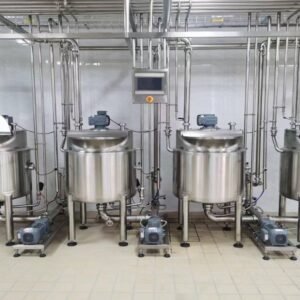
Food grade stainless steel is specifically engineered for contact with food and beverages. It contains high levels of chromium and nickel, forming a passive oxide layer that prevents corrosion and contamination. Unlike standard stainless steel, food grade variants undergo rigorous testing to ensure they leach no harmful substances. This makes them ideal for equipment like tanks, piping, counters, and utensils. In contrast, lower cost materials often lack this protective barrier. For instance, aluminum can react with acidic foods, releasing metal ions that alter taste and pose health risks. Transitioning to food grade stainless steel means adopting a material proven in high stakes applications worldwide.
Superior Durability and Corrosion Resistance
One of the primary reasons to choose food grade stainless steel is its exceptional durability. It withstands extreme temperatures, from cryogenic freezing to high heat pasteurization, without warping or degrading. In humid or corrosive environments, such as those with saltwater or acidic marinades, cheaper materials like carbon steel rust quickly, leading to frequent replacements. Food grade stainless steel’s chromium content creates a self healing oxide film, ensuring longevity that can span decades with proper maintenance. This resilience reduces downtime and maintenance costs. Moreover, its strength supports heavy loads without denting, making it reliable for industrial scale operations. As industries strive for sustainability, the reduced need for replacements aligns with eco friendly practices by minimizing waste.
Health and Hygiene Advantages
Hygiene is paramount in food handling, where contamination can lead to recalls, illnesses, or legal issues. Food grade stainless steel excels here with its non porous, smooth surface that resists bacterial adhesion. Unlike plastics, which scratch and harbor microbes, or painted steels that chip and expose raw metal, stainless steel is easily sanitized with standard cleaners. Studies from the National Sanitation Foundation show stainless steel surfaces harbor up to 80 percent fewer bacteria after cleaning compared to alternatives. It also doesn’t absorb odors or flavors, preserving food integrity. For health conscious consumers and regulators, this translates to safer products and fewer foodborne outbreaks. Prioritizing this material safeguards public health while building consumer trust.
Long Term Cost Effectiveness
Although food grade stainless steel has a higher initial cost, its total ownership cost is significantly lower. Cheaper materials require frequent repairs or full replacements due to wear, corrosion, or failure, driving up expenses over time. A lifecycle analysis might reveal that aluminum fittings need replacement every 2 3 years, while stainless steel lasts 20 plus. Energy efficiency also factors in; stainless steel’s thermal conductivity optimizes heating and cooling processes, reducing utility bills. Furthermore, its low maintenance needs free labor for productive tasks. Businesses that switch often report ROI within 3 5 years through reduced waste and operational halts. In essence, what seems expensive short term proves economical long term.
Regulatory Compliance and Industry Standards
Food safety regulations, such as those from the FDA, USDA, and EU standards, mandate materials that prevent contamination. Food grade stainless steel meets or exceeds these, often certified under NSF/ANSI 51 for food equipment. Lower cost options rarely comply fully, risking fines, shutdowns, or product seizures. For exporters, certifications like 3 A sanitary standards are non negotiable, and stainless steel simplifies audits. Compliance also enhances marketability, appealing to retailers demanding verified safe materials. By choosing food grade stainless steel, companies not only avoid penalties but position themselves as industry leaders in quality.
Key Comparison Features
To illustrate the differences clearly, consider the following table comparing food grade stainless steel to common lower cost alternatives. This highlights why the premium choice outperforms across critical metrics.
| Material | Corrosion Resistance | Hygiene Rating | Initial Cost | Expected Lifespan | Regulatory Compliance |
|---|---|---|---|---|---|
| Food Grade SS (304/316) | Excellent | High | High | 20+ years | FDA/USDA Compliant |
| Aluminum | Poor (reacts with acids) | Medium | Low | 2-5 years | Limited |
| Mild Steel | Poor (rusts easily) | Low | Low | 1-3 years | Non compliant |
| Plastic (e.g., HDPE) | Fair | Medium (scratches) | Low | 5-10 years | Partial |
Additionally, here is an unordered list of top benefits unique to food grade stainless steel:
- Non reactive with foods, preventing flavor or nutrient degradation
- Easy to fabricate into custom shapes for specific needs
- Recyclable, supporting green initiatives
- Aesthetic appeal for visible food prep areas
- Resistant to impacts and abrasions in busy kitchens
These features underscore its versatility across sectors like dairy, pharmaceuticals, and beverages.
Conclusion
Prioritizing food grade stainless steel over lower cost materials is a strategic decision that enhances safety, efficiency, and profitability. From superior durability and hygiene to regulatory assurance and cost savings, its advantages far outweigh the initial investment. As consumer demands for quality rise and regulations tighten, forward thinking businesses will continue to adopt this reliable material. Make the switch today to protect your operations, products, and reputation for years to come.