Table of Contents
Is Your Current Equipment Holding You Back from Global Confectionery Trends
The global confectionery industry is undergoing a remarkable transformation, driven by evolving consumer preferences, technological advancements, and sustainability demands. From plant-based chocolates to functional gummies infused with wellness ingredients, today’s trends demand agility, precision, and innovation in production. However, many manufacturers find themselves constrained by legacy equipment that struggles to keep pace. This raises a critical question: is your current setup limiting your ability to capitalize on these lucrative opportunities? In this article, we explore the dynamic landscape of global confectionery trends, the pitfalls of outdated machinery, and the upgrades that can propel your business forward.
Understanding the Surge in Global Confectionery Trends
As consumers worldwide become more health-conscious and adventurous in their tastes, confectionery producers must adapt swiftly. According to recent industry reports, the global confectionery market is projected to reach $250 billion by 2025, with premium and functional products leading the charge. Trends such as sugar reduction, exotic flavor profiles, and sustainable sourcing are not mere fads but enduring shifts reshaping the sector.
Key drivers include millennials and Gen Z, who prioritize ethical production and novel experiences. For instance, vegan confections have surged by over 30% in Europe and North America, while Asia-Pacific markets embrace fusion flavors like yuzu-chili chocolate. Plant-based alternatives now dominate shelf space, and functional candies—packing probiotics, CBD, or adaptogens—are capturing wellness enthusiasts. Moreover, sustainability is non-negotiable, with consumers favoring brands using recyclable packaging and ethically sourced cocoa.
Transitioning to these trends requires equipment capable of handling diverse, often finicky ingredients. Traditional setups optimized for high-sugar, dairy-based recipes falter here, leading to inconsistent quality and wasted resources.
Common Equipment Limitations in Modern Production
Outdated machinery poses significant barriers to innovation. Legacy mixers, for example, often lack the shear control needed for plant-based fats, which have different viscosity and crystallization properties than conventional butterfat. This results in grainy textures or unstable emulsions, undermining product appeal.
Furthermore, older depositors and enrobers struggle with intricate shapes and fillings demanded by personalization trends. Precision is paramount for depositing thin shells or airier textures in low-sugar gums, yet many systems lack digital controls for micron-level accuracy. Temperature regulation is another Achilles’ heel; heat-sensitive superfoods like matcha or spirulina degrade in imprecise tempering machines, compromising flavor and nutrition.
Hygiene and efficiency also suffer. Manual processes invite contamination risks, especially under stricter global regulations like the EU’s Food Safety standards. Scalability issues arise too—small-batch customization for e-commerce booms is inefficient on rigid production lines. As a result, producers miss out on premium pricing, with margins squeezed by rework and downtime.

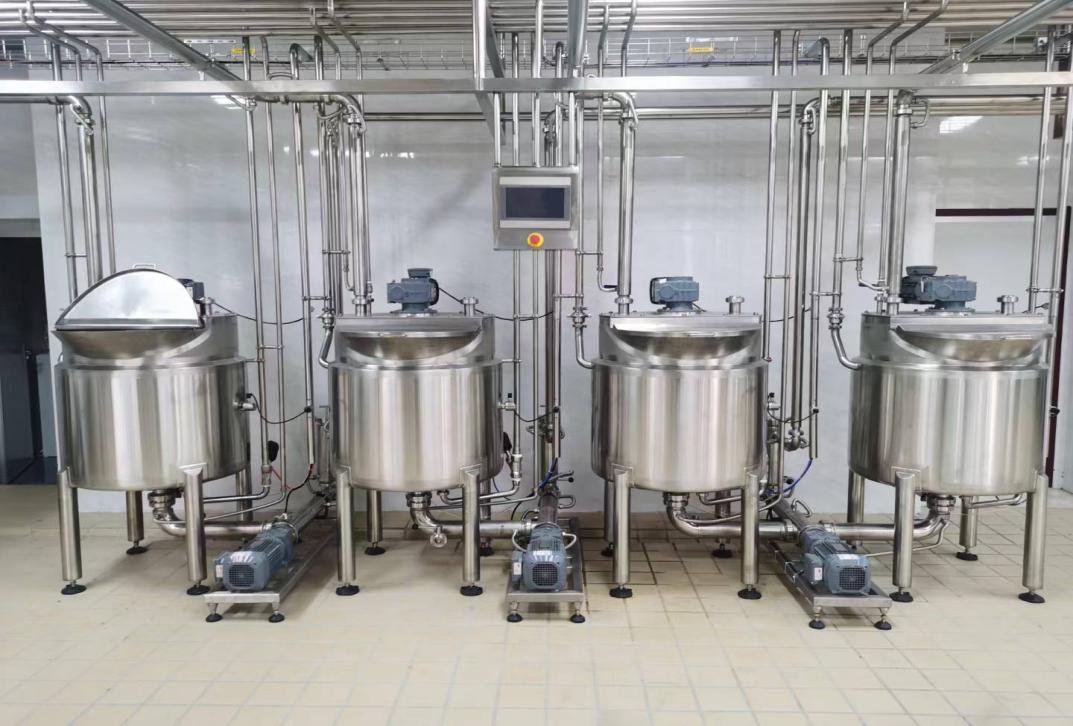
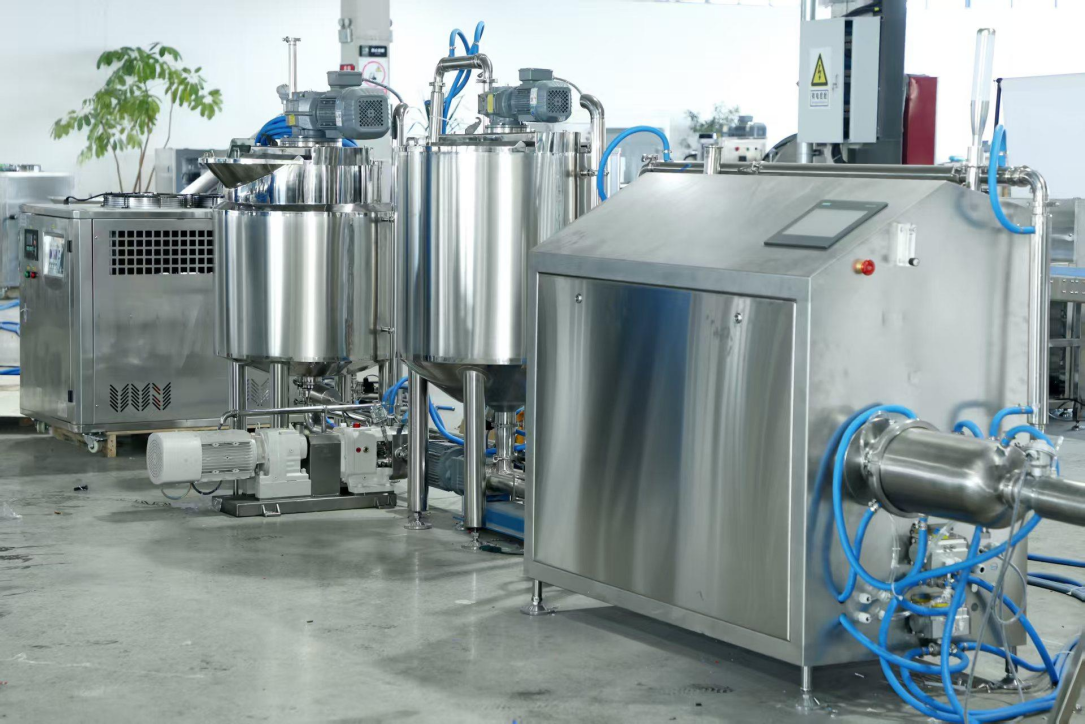
The image above illustrates a state-of-the-art production line, highlighting the seamless integration of automation that addresses these pain points.
Top Global Trends and Required Capabilities
To thrive, manufacturers must align equipment with emerging demands. Here’s a curated list of pivotal trends and the production capabilities they necessitate:
- Vegan and Plant-Based Confections: Requires mixers with variable speed and emulsification tech for nut butters and aquafaba.
- Functional and Low-Sugar Products: Demands precise dosing pumps for active ingredients and polyol-friendly cookers.
- Exotic Global Flavors: Needs customizable flavor infusion systems and rapid cooling for volatile aromas.
- Sustainable and Ethical Sourcing: Calls for energy-efficient ovens and recyclable material extruders.
- Personalized Small-Batch Runs: Relies on modular, quick-changeover lines for flexibility.
This list underscores how specialized equipment unlocks trend participation. Without it, innovation stalls, and competitors gain ground.
Strategic Equipment Upgrades for Competitive Edge
Investing in modern solutions bridges these gaps effectively. High-shear mixers with IoT sensors enable real-time adjustments for plant-based recipes, ensuring batch-to-batch consistency. Advanced depositors, like servo-driven models, achieve sub-millimeter precision for designer shapes, boosting visual appeal and marketability.
Moreover, smart tempering machines with AI-optimized crystallization deliver flawless shine and snap in chocolates, even with alternative sweeteners. Automation extends to packaging, where robotic systems handle eco-materials at high speeds, reducing labor costs by up to 40%. Energy-efficient designs, such as induction heating depositors, cut utility bills while supporting green credentials.
Case studies abound: A European mid-tier producer upgraded to modular lines, tripling vegan output and entering new markets within a year. Similarly, Asian firms leveraging continuous cookers for functional gums reported 25% waste reduction. These upgrades not only enable trend alignment but enhance overall ROI through predictive maintenance and data analytics.
Implementation starts with an audit: assess your line’s throughput, versatility, and compliance. Partnering with equipment specialists ensures tailored solutions, minimizing disruption.
Conclusion
In conclusion, the confectionery industry’s global trends offer immense potential, but only for those equipped to seize them. Outdated machinery breeds inefficiency, quality issues, and missed opportunities, while modern upgrades foster innovation and profitability. By evaluating your current setup against demands like plant-based precision and sustainable speed, you can position your operation at the forefront. Don’t let equipment be your bottleneck—invest today to sweeten your tomorrow’s success. With the right tools, your brand can delight global palates and drive sustainable growth.
Our Products
-

Braided Rainbow Marshmallow Ropes Production Line: Best Making Machine Factory & Supplier
-

Bulk Industrial Topping Marshmallows Production Line: Best Making Machine Factory & Supplier
-

Center-filled Fruit Jam Marshmallows Production Line: Best Making Machine Factory & Supplier
-

Chocolate Coated Marshmallow Biscuits Production Line: Best Making Machine Factory & Supplier
-

Custom Shape Die-cut Marshmallows Production Line: Best Making Machine Factory & Supplier
-
Dehydrated Crunchy Micro Marshmallows for Cereal Production Line: Best Making Machine Factory & Supplier