In the world of confectionery production, achieving the perfect marshmallow texture is both an art and a science. That signature light, fluffy, and elastic consistency that consumers adore can quickly turn into a production nightmare if inconsistencies arise. Uneven aeration, resulting in some marshmallows being dense and chewy while others are overly airy or deflated, is a frequent complaint among manufacturers. This article delves into why your marshmallow texture might be inconsistent and explores whether the aeration system could be the primary culprit. By understanding the mechanics of aeration and common pitfalls, producers can troubleshoot effectively and restore uniformity.
Table of Contents
Understanding Marshmallow Texture
Marshmallow texture is primarily defined by its foam structure, created through the incorporation of air bubbles into a sugar syrup gelatin base. The ideal texture features a stable network of tiny, evenly distributed air cells, providing melt-in-your-mouth tenderness balanced with slight chewiness. This aeration process typically expands the mixture’s volume by 2 to 4 times, with overrun rates determining the final density—usually between 0.08 and 0.15 g/cm³ for commercial products.
However, inconsistencies manifest as variations in cell size, wall thickness, or bubble stability. Large bubbles lead to coarse, unstable textures that collapse during storage, while insufficient aeration results in dense, gummy products. Factors influencing this include whipping time, temperature control, and equipment efficiency, but the aeration system often serves as the linchpin.
The Role of the Aeration System
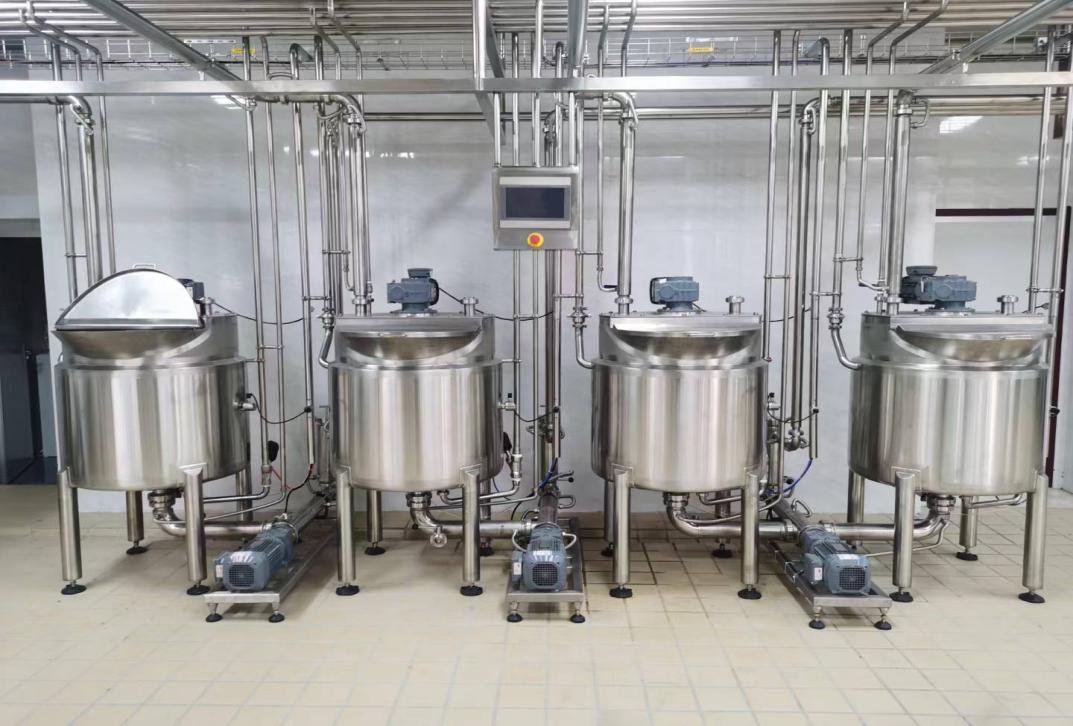
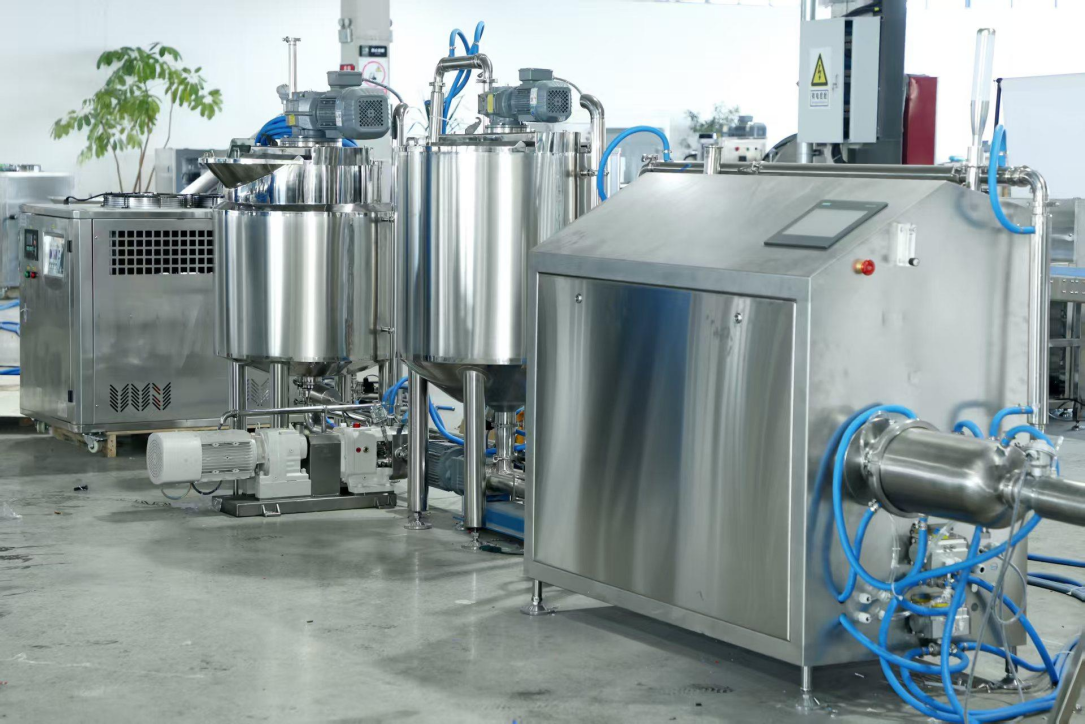
Modern marshmallow production relies on continuous aerators, such as pin workers, continuous whippers, or high-shear mixers, which introduce air under controlled pressure while simultaneously cooling and whipping the syrup. These systems use rotating pins or blades to shear the mixture, entraining air to form a foam. Precise control over air injection rate, rotor speed, and back pressure is crucial for uniform bubble nucleation and stabilization.
A well-functioning aeration system maintains consistent shear forces and temperature gradients, ensuring that gelatin hydrates evenly and stabilizes bubbles before they coalesce. Transitional inefficiencies here directly translate to texture variability, as uneven air incorporation propagates through downstream processes like extrusion and drying.
Common Aeration System Faults
Several mechanical and operational issues in the aeration system can sabotage texture consistency. For instance, worn rotor blades reduce shear efficiency, leading to poor air entrainment and larger bubbles. Blockages in air inlets or pressure regulators cause fluctuating overrun, while miscalibrated cooling jackets result in thermal shocks that destabilize the foam structure.
To help identify these problems, consider the following list of common faults:
- Worn or unbalanced rotors causing vibration and uneven whipping.
- Inadequate lubrication leading to overheating and foam collapse.
- Air valve malfunctions resulting in inconsistent pressure.
- Improper alignment of stator and rotor gaps, reducing shear uniformity.
- Contamination from previous batches affecting surface tension.
Addressing these proactively can prevent batch-to-batch variations, but diagnosis requires systematic checks.
Diagnosing and Troubleshooting
Transitioning from identification to resolution, a structured troubleshooting approach is essential. Begin by monitoring key parameters like inlet syrup temperature (ideally 40-50°C), aeration pressure (2-5 bar), and exit foam density. Use inline density meters and texture analyzers for real-time data.
The following table outlines a troubleshooting guide for aeration-related texture issues:
| Symptom | Possible Aeration Cause | Diagnostic Test | Solution |
|---|---|---|---|
| Dense, chewy texture | Low overrun | Measure foam density post-aerator | Increase air pressure or rotor speed |
| Coarse, large bubbles | Uneven shear | Inspect rotor-stator gap | Realign and polish components |
| Texture collapse after extrusion | Overheating | Monitor jacket temperatures | Enhance cooling capacity |
| Variable batch density | Pressure fluctuations | Check regulator stability | Calibrate or replace valves |
This table provides a quick reference, enabling operators to pinpoint and rectify issues swiftly. Regular predictive maintenance, such as vibration analysis and thermal imaging, further enhances reliability.
Other Contributing Factors
While the aeration system is often at fault, overlooking complementary elements can compound problems. Ingredient variability, such as inconsistent gelatin bloom strength or sugar inversion due to pH shifts, affects foam stability. For example, high humidity in drying tunnels can lead to moisture migration, exacerbating perceived texture inconsistencies.
Moreover, upstream processes like syrup cooking must deliver a precise Brix level (80-85%) and temperature to the aerator. Integrating these considerations ensures holistic process control, bridging aeration with overall production flow.
Best Practices for Consistent Texture
To achieve unwavering marshmallow texture, implement rigorous standard operating procedures (SOPs). Conduct daily calibration of aerators, coupled with statistical process control charts tracking overrun and texture metrics. Invest in advanced systems like servo-driven variable speed drives for precise rotor control.
Training staff on foam rheology and conducting pilot-scale trials for recipe tweaks can yield significant improvements. Finally, partnering with equipment suppliers for custom audits ensures long-term optimization.
In conclusion, inconsistent marshmallow texture frequently stems from aeration system deficiencies, from mechanical wear to operational lapses. By systematically diagnosing faults using tools like checklists and diagnostic tables, manufacturers can restore uniformity and delight consumers with reliably perfect products. Proactive maintenance and integrated process oversight not only resolve current issues but also fortify production against future variability, underscoring the aeration system’s pivotal role in confectionery excellence.
Our Products
-

Braided Rainbow Marshmallow Ropes Production Line: Best Making Machine Factory & Supplier
-

Bulk Industrial Topping Marshmallows Production Line: Best Making Machine Factory & Supplier
-

Center-filled Fruit Jam Marshmallows Production Line: Best Making Machine Factory & Supplier
-

Chocolate Coated Marshmallow Biscuits Production Line: Best Making Machine Factory & Supplier
-

Custom Shape Die-cut Marshmallows Production Line: Best Making Machine Factory & Supplier
-
Dehydrated Crunchy Micro Marshmallows for Cereal Production Line: Best Making Machine Factory & Supplier