Table of Contents
Why Do Some Marshmallow Machines Fail Within the First Year of Operation?
Marshmallow production is a precise process that relies heavily on automated machinery to mix, aerate, extrude, and cool the confectionery product efficiently. These machines, often representing a significant capital investment for food manufacturers, are designed to operate continuously in demanding environments. However, industry reports indicate that a notable percentage—up to 20% in some cases—experience catastrophic failure within their first year. This not only leads to costly downtime but also disrupts supply chains and erodes profitability. Understanding the root causes of these failures is crucial for buyers and operators alike. In this article, we explore the primary reasons behind early breakdowns, drawing from expert analyses and case studies in the confectionery equipment sector.
By examining manufacturing quality, operational practices, and external factors, manufacturers can make informed decisions to extend machine longevity. As we delve deeper, it becomes clear that prevention is far more economical than repair or replacement.
Poor Manufacturing Quality and Material Deficiencies
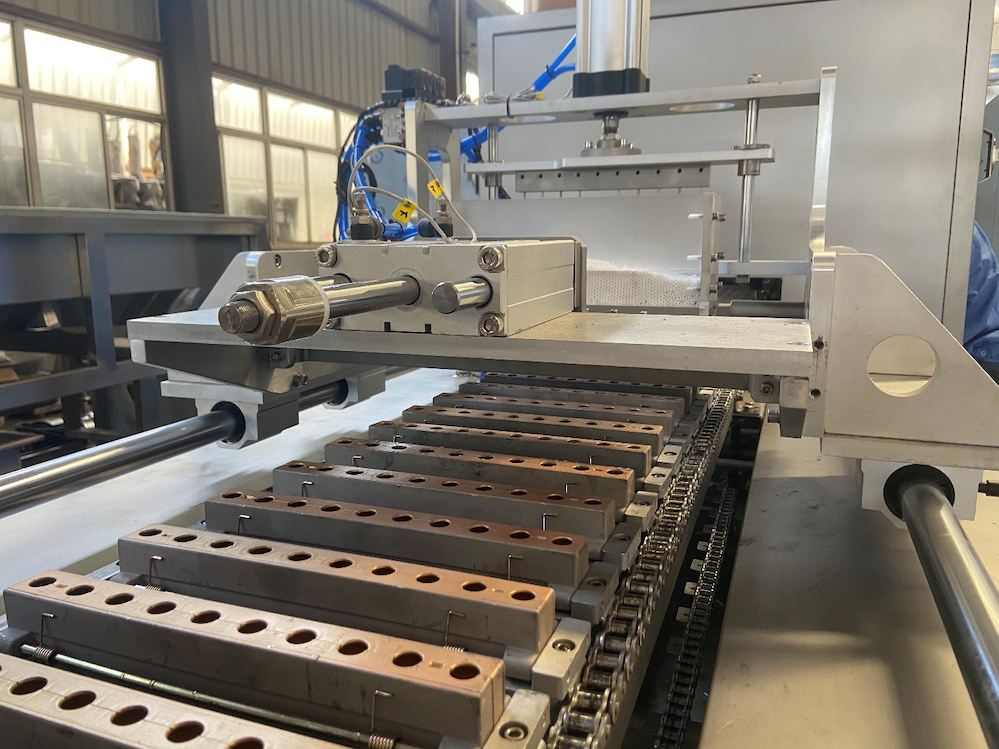
One of the most prevalent reasons for marshmallow machine failures is substandard manufacturing. Many low-cost machines sourced from unverified suppliers use inferior components, such as low-grade stainless steel that corrodes under constant exposure to sticky sugar syrups and high humidity. For instance, extruder nozzles made from cheap alloys can warp or clog prematurely, halting production lines.
Furthermore, inadequate quality control during assembly leads to misalignments in critical moving parts like pumps and depositors. Vibrations from unbalanced rotors exacerbate wear, causing bearings to fail within months. Transitional to operational demands, these defects manifest quickly under 24/7 production schedules common in candy factories.
In contrast, reputable brands employ food-grade materials compliant with FDA standards and rigorous testing protocols. Investing upfront in certified equipment reduces long-term risks significantly.
Inadequate Maintenance Practices
Even high-quality marshmallow machines falter without proper upkeep. Daily cleaning is essential to prevent buildup of gelatin and sugar residues, which can solidify and damage seals or valves. Neglect here leads to overheating and motor burnout, often within the first six months.
Scheduled lubrication of gearboxes and chains is another overlooked aspect. In humid production environments, moisture infiltrates unlubricated parts, accelerating rust and friction-related failures. Manufacturers recommend weekly inspections, yet many operators skip them due to production pressures.
To illustrate best practices versus pitfalls, consider the following table:
| Maintenance Task | Good Practice | Bad Practice | Consequence of Bad Practice |
|---|---|---|---|
| Cleaning | Daily flush with hot water and approved detergents | Weekly or skipped | Clogged nozzles, contamination |
| Lubrication | Weekly application of food-safe grease | Monthly or as-needed | Bearing failure, excessive wear |
| Inspection | Visual and functional checks bi-weekly | Only after issues arise | Sudden breakdowns, downtime |
This table highlights how proactive routines can avert disasters. Transitioning to human factors, maintenance gaps often stem from inadequate training.
Operator Errors and Lack of Training
Human oversight plays a pivotal role in early failures. Untrained operators may overload hoppers with unmelted sugar mixtures, straining motors beyond design limits. Incorrect temperature settings during aeration—typically 40-50°C for marshmallow foam—result in unstable products that gum up machinery internals.
Additionally, improper shutdown procedures, such as failing to purge lines with water, leave residues that harden overnight. Case studies from confectionery plants show that 30% of first-year failures trace back to such errors.
Reputable suppliers offer comprehensive training programs, including simulations for troubleshooting. Operators equipped with this knowledge can spot anomalies like unusual vibrations early, preventing escalation.
Installation and Environmental Challenges
Flawed installation compounds other issues. Machines must be leveled precisely on stable foundations to avoid undue stress on frames. Uneven setups lead to accelerated wear on conveyor belts and cooling tunnels.
Environmental factors, including ambient temperatures exceeding 30°C or high dust levels, overwhelm cooling systems and filters. In tropical regions, condensation inside electrical panels causes short circuits, a common culprit in early failures.
Poor ventilation exacerbates overheating in extruders, where precise control of whipping air pressure is vital. Ensuring a controlled environment from day one is non-negotiable.
Key Signs of Impending Failure
Recognizing early warning signs allows for timely intervention. The following list outlines the most critical indicators:
- Unusual noises, such as grinding from misaligned gears
- Inconsistent product output, like uneven marshmallow sizes
- Frequent clogs in depositors or piping
- Rising temperatures on gauges beyond normal ranges
- Vibrations felt through the machine frame
Addressing these promptly through diagnostics can salvage operations. Moving toward solutions, integrating sensors for real-time monitoring is a growing trend.
Furthermore, selecting machines with modular designs facilitates quick part swaps, minimizing downtime. Software updates for PLC controls also enhance reliability by optimizing cycles automatically.
Strategies for Prevention and Longevity
To mitigate risks, conduct thorough due diligence on suppliers, prioritizing those with proven track records and warranties exceeding one year. Implement operator certification programs and integrate predictive maintenance using IoT sensors that alert to anomalies via mobile apps.
Budgeting for spare parts kits upfront ensures rapid repairs. Regular audits by third-party technicians can uncover latent issues before they escalate.
In summary, while marshmallow machines can deliver years of service, early failures often result from a confluence of quality shortcomings, neglect, and mismanagement. By prioritizing premium equipment, rigorous training, and vigilant maintenance—as evidenced in the table and list above—manufacturers can sidestep these pitfalls. The investment in prevention not only safeguards assets but also ensures consistent production, ultimately sweetening the bottom line. With informed strategies, your marshmallow line can thrive well beyond its inaugural year.
Our Products
-

Braided Rainbow Marshmallow Ropes Production Line: Best Making Machine Factory & Supplier
-

Bulk Industrial Topping Marshmallows Production Line: Best Making Machine Factory & Supplier
-

Center-filled Fruit Jam Marshmallows Production Line: Best Making Machine Factory & Supplier
-

Chocolate Coated Marshmallow Biscuits Production Line: Best Making Machine Factory & Supplier
-

Custom Shape Die-cut Marshmallows Production Line: Best Making Machine Factory & Supplier
-
Dehydrated Crunchy Micro Marshmallows for Cereal Production Line: Best Making Machine Factory & Supplier