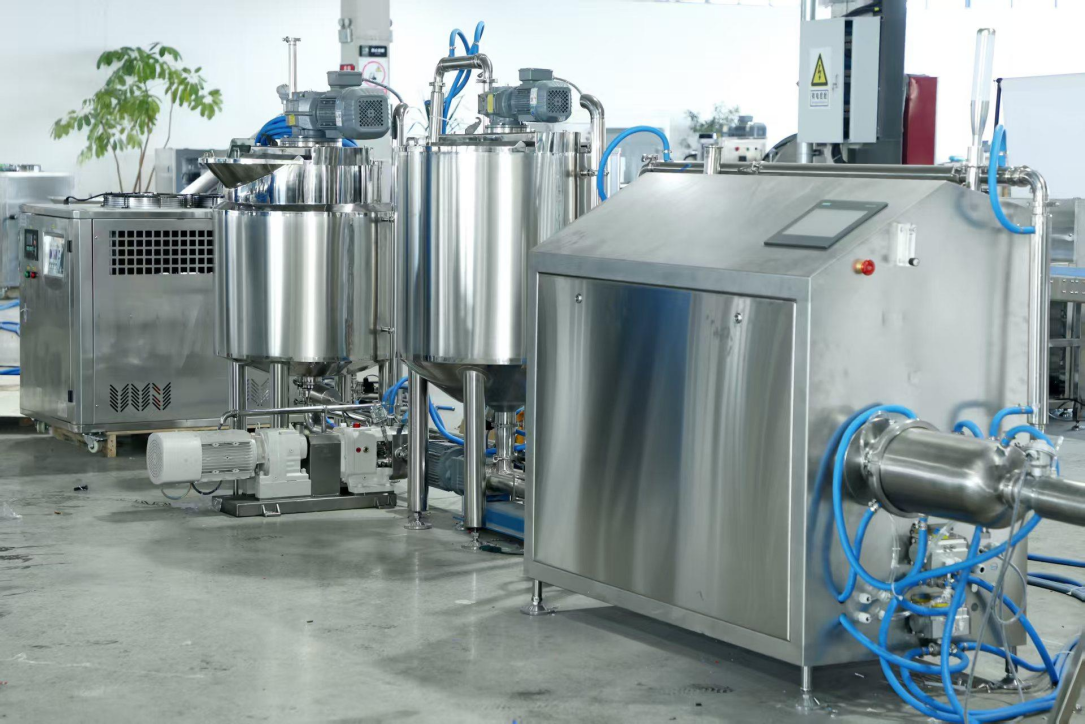
In today’s competitive manufacturing landscape, scaling your production line can be the difference between thriving and merely surviving. As demand for products grows, businesses often face the pivotal question: Are you ready to scale? Determining the right time to upgrade your production line requires careful evaluation of operational, financial, and market factors. This article explores the key indicators that signal readiness, essential considerations before investing, and practical steps to ensure a smooth transition. By understanding these elements, manufacturers can make informed decisions that propel growth without unnecessary risks.
Table of Contents
Signs Your Production Line Needs an Upgrade
Recognizing when your current setup is holding you back is the first step toward scaling effectively. One clear indicator is persistent bottlenecks where certain processes slow down the entire workflow, leading to delays in order fulfillment. For instance, if your machinery frequently reaches maximum capacity during peak seasons, it’s a sign that expansion is imminent. Additionally, rising operational costs due to outdated equipment—such as higher maintenance expenses or energy inefficiency—can erode profit margins over time.
Another red flag is declining product quality or increasing defect rates, often stemming from worn-out tools unable to meet modern standards. Customer complaints about delivery times or stockouts further underscore the need for change. To help identify these issues systematically, consider the following common signs:
- Increasing order backlogs that exceed two weeks on average
- Machinery downtime surpassing 10% of operational hours monthly
- Labor costs rising due to overtime to meet demand
- Competitors gaining market share through faster production cycles
- Customer demand growing by more than 20% year-over-year
Addressing these symptoms early prevents lost opportunities and positions your business for sustainable growth. Transitioning from identification to preparation involves a thorough assessment of your capabilities.
Key Factors to Consider Before Scaling
Once you’ve identified the need, evaluate whether the timing aligns with your overall strategy. Market demand forecasts play a crucial role; upgrading too soon risks underutilization, while delaying can miss revenue peaks. Analyze sales data, industry trends, and economic indicators to project needs accurately. Financial readiness is equally vital—calculate the return on investment (ROI) by comparing upgrade costs against projected efficiency gains.
Technological compatibility ensures seamless integration. Assess if new equipment can sync with existing ERP systems or automate manual processes. Workforce skills must also match; upskilling programs may be necessary to operate advanced machinery. Regulatory compliance, especially for industries like food or pharmaceuticals, demands that upgrades meet evolving standards.
To illustrate the financial implications, here’s a comparative table of common production line upgrade options:
| Upgrade Type | Initial Cost (USD) | ROI Timeline | Capacity Increase | Energy Savings |
|---|---|---|---|---|
| Basic Automation | 500,000 | 18 months | 30% | 15% |
| Full Robotic Line | 2,000,000 | 24 months | 100% | 40% |
| Modular Expansion | 1,000,000 | 12 months | 50% | 25% |
This table highlights how choices impact scalability. Modular expansions often provide the best balance for mid-sized manufacturers. With these factors in mind, planning the upgrade process becomes the next logical step.
Steps for a Successful Production Line Upgrade
Upgrading isn’t just about buying new machines; it’s a strategic overhaul. Start by conducting a comprehensive audit of your current operations to pinpoint inefficiencies. Engage consultants or use lean manufacturing principles to map value streams. Next, develop a detailed project plan outlining timelines, budgets, and milestones. Vendor selection follows—prioritize suppliers with proven track records and robust support services.
Implementation requires minimal disruption; phased rollouts allow continued production while testing new segments. Post-upgrade, monitor key performance indicators (KPIs) like throughput, yield rates, and downtime. Finally, invest in ongoing maintenance and training to sustain gains. By following structured steps, businesses minimize risks and maximize benefits.
Beyond mechanics, consider the human element. Employee buy-in through transparent communication fosters smoother adoption. Real-world examples, such as a midwestern auto parts supplier that doubled output post-upgrade with 25% cost savings, demonstrate the transformative potential. These successes underscore that timing, paired with preparation, yields optimal results.
Common Pitfalls and How to Avoid Them
Even with solid planning, pitfalls loom. Underestimating total costs—including installation, training, and unforeseen downtime—can strain finances. Overlooking scalability in new equipment might necessitate another upgrade soon. Supply chain disruptions, as seen during recent global events, amplify risks.
To mitigate, build contingency budgets of 20% and diversify suppliers. Conduct pilot tests for high-risk components. Moreover, align upgrades with broader digital transformation, like IoT for predictive maintenance, to future-proof your line. These proactive measures ensure long-term resilience.
As you weigh these insights, remember that scaling is an opportunity for reinvention. Regularly revisit your production strategy amid changing market dynamics.
In conclusion, determining if you’re ready to scale involves spotting telltale signs, rigorously assessing factors, and executing a meticulous upgrade plan. The right time strikes when demand outpaces capacity, finances align, and technology promises efficiency. By heeding these guidelines, manufacturers not only upgrade their production lines but also fortify their competitive edge. Embrace the challenge thoughtfully—your next growth phase awaits. With strategic timing, scaling becomes a launchpad for enduring success.
Our Products
-

Braided Rainbow Marshmallow Ropes Production Line: Best Making Machine Factory & Supplier
-

Bulk Industrial Topping Marshmallows Production Line: Best Making Machine Factory & Supplier
-

Center-filled Fruit Jam Marshmallows Production Line: Best Making Machine Factory & Supplier
-

Chocolate Coated Marshmallow Biscuits Production Line: Best Making Machine Factory & Supplier
-

Custom Shape Die-cut Marshmallows Production Line: Best Making Machine Factory & Supplier
-
Dehydrated Crunchy Micro Marshmallows for Cereal Production Line: Best Making Machine Factory & Supplier