Table of Contents
Introduction
In the competitive confectionery industry, efficiency is not just a buzzword—it’s a survival strategy. For marshmallow manufacturers, the factory layout plays a pivotal role in streamlining production, reducing waste, and ensuring product quality. But is your factory layout optimized for a modern marshmallow production flow? Traditional setups often prioritize space over flow, leading to bottlenecks, increased labor costs, and hygiene risks. This article explores the critical elements of an optimized layout, from raw material handling to final packaging, helping you evaluate and enhance your operations. By adopting forward-thinking designs, producers can boost throughput by up to 30% while maintaining the fluffy perfection that consumers crave.
Understanding Modern Marshmallow Production
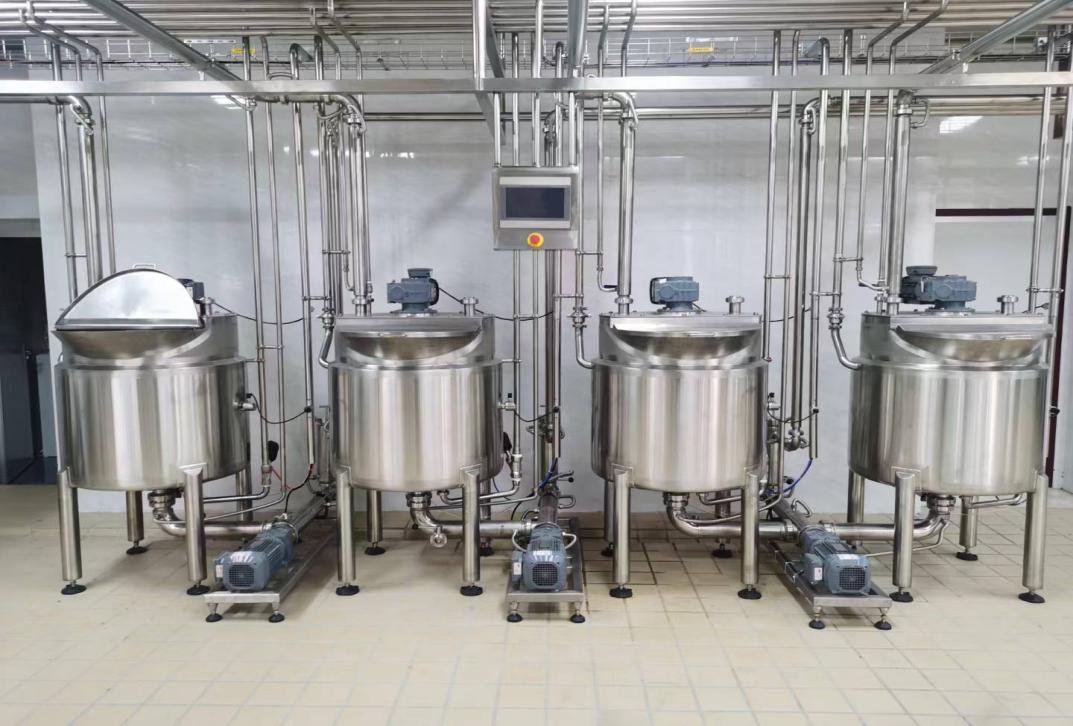
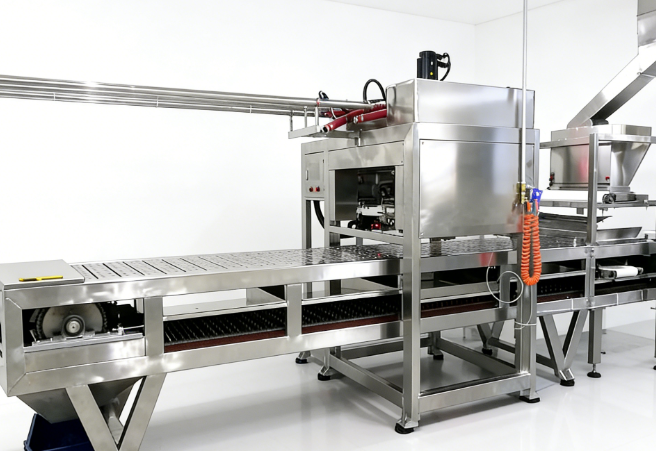
Marshmallow production has evolved significantly, incorporating advanced aeration techniques, automated depositing, and rapid curing processes. The process begins with precise mixing of sugar syrup, gelatin, and flavorings in high-shear cookers, followed by whipping to incorporate air for that signature texture. The aerated mass is then extruded onto cornstarch beds, cured in climate-controlled tunnels, demolded, and coated before packaging. Modern lines emphasize continuous flow to minimize handling, reduce microbial risks, and support high-volume output. Transitional inefficiencies, such as unnecessary material transport or batch delays, can compromise these benefits. An optimized layout aligns equipment in a logical sequence, mimicking a straight or U-shaped production path to facilitate smooth progression from input to output.
Key Principles of Factory Layout Optimization
Effective layouts are grounded in lean manufacturing principles tailored to food safety standards like HACCP and GMP. First, prioritize unidirectional flow to prevent cross-contamination between wet mixing areas and dry packaging zones. Second, minimize movement by positioning high-frequency processes centrally. Third, incorporate flexibility for product variations, such as flavored or shaped marshmallows. These principles ensure scalability and responsiveness to market demands. As we transition to practical assessment, consider how these fundamentals expose common weaknesses in legacy factories.
- Unidirectional material and personnel flow to avoid backtracking and contamination.
- Modular equipment placement for easy reconfiguration and maintenance.
- Integrated automation zones for mixing, depositing, and packaging.
- Buffer storage strategically placed to handle curing without disrupting the main line.
- Hygiene-focused zoning with dedicated cleaning paths and air filtration systems.
Assessing Your Current Layout Against Best Practices
To determine optimization levels, benchmark your setup using key performance indicators (KPIs) like overall equipment effectiveness (OEE), throughput time, and waste rates. Outdated linear or grid layouts often result in excessive conveyor travel and labor traversal. A comparative analysis reveals opportunities: modern flows can cut production cycles by 25%. The table below contrasts traditional versus optimized layouts, highlighting quantifiable improvements.
| Aspect | Traditional Layout | Optimized Layout | Improvement Gain |
|---|---|---|---|
| Production Cycle Time | 8-10 hours | 4-6 hours | 40% |
| Material Handling Distance | 500m per batch | 150m per batch | 70% |
| Waste Generation | 5-8% | 1-3% | 60% |
| OEE Score | 65-75% | 85-95% | 25% |
| Hygiene Compliance Risk | High (cross-flows) | Low (zoned areas) | N/A |
This data underscores the transformative potential of redesign. Moving forward, integrating technology elevates these gains even further.
Integrating Technology for Enhanced Flow
Today’s marshmallow factories leverage Industry 4.0 tools like IoT sensors for real-time monitoring of humidity in curing tunnels and AI-driven predictive maintenance on extruders. Robotic arms handle demolding precisely, while automated guided vehicles (AGVs) transport trays seamlessly. Software simulates layouts virtually, allowing pre-implementation testing. For instance, a U-shaped layout with central control stations reduces operator walking by 50%, fostering a smoother transition between manual oversight and full automation. Hygiene is amplified through UV sterilization corridors and positive-pressure cleanrooms. As production scales, these integrations ensure resilience against disruptions, paving the way for sustainable operations.
Steps to Optimize Your Factory Layout
Optimization begins with a thorough audit: map current flows, identify bottlenecks via value stream mapping, and consult with layout specialists. Next, redesign using simulation software to test scenarios. Invest in modular conveyors and adjustable racking for adaptability. Train staff on new protocols to embed changes. Finally, pilot the layout on a subscale line before full rollout. These steps, approached methodically, yield rapid ROI through higher yields and lower energy use. Challenges like capital costs can be mitigated via phased implementations and government incentives for food tech upgrades.
Conclusion
An optimized factory layout is the backbone of modern marshmallow production, driving efficiency, quality, and profitability. By auditing against proven principles, benchmarking with data-driven tools, and embracing technology, manufacturers can answer “yes” to the question of optimization. The confectionery landscape rewards those who adapt—streamlined flows not only cut costs but also enable innovation in gourmet marshmallows. Take the first step today: assess your layout and unlock the full potential of your production line. Your marshmallows—and your bottom line—will thank you.
Our Products
-

Braided Rainbow Marshmallow Ropes Production Line: Best Making Machine Factory & Supplier
-

Bulk Industrial Topping Marshmallows Production Line: Best Making Machine Factory & Supplier
-

Center-filled Fruit Jam Marshmallows Production Line: Best Making Machine Factory & Supplier
-

Chocolate Coated Marshmallow Biscuits Production Line: Best Making Machine Factory & Supplier
-

Custom Shape Die-cut Marshmallows Production Line: Best Making Machine Factory & Supplier
-
Dehydrated Crunchy Micro Marshmallows for Cereal Production Line: Best Making Machine Factory & Supplier