In the competitive world of confectionery manufacturing, producing marshmallows efficiently while meeting unique flavor profiles, shapes, and packaging requirements can pose significant hurdles. Standard production lines often fall short when it comes to accommodating bespoke needs, leading to inefficiencies, higher costs, and suboptimal product quality. This raises a pivotal question: Can a custom-built marshmallow line solve your unique manufacturing challenges? This article explores the potential of tailored production systems, examining their design, benefits, and real-world applications to help manufacturers make informed decisions.
Table of Contents
Understanding Marshmallow Production Challenges
Marshmallow manufacturing involves intricate processes such as gelatin mixing, aeration, extrusion, cooling, and coating, each susceptible to variations based on recipe specifics or market demands. For instance, artisanal producers might require delicate handling for gourmet flavors like lavender-infused or alcohol-tinged varieties, while large-scale operations grapple with scaling vegan or low-sugar options without compromising texture. Common pain points include inconsistent aeration leading to density issues, downtime from mismatched equipment, and inflexibility in switching between product formats like mini marshmallows versus jumbo twists.
Moreover, regulatory compliance adds another layer of complexity, with stringent food safety standards demanding precise temperature controls and hygienic designs. Transitional inefficiencies between batches can inflate operational costs by up to 20-30%, according to industry reports. These challenges underscore the limitations of off-the-shelf lines, paving the way for customized solutions that address specific bottlenecks.
What Defines a Custom Built Marshmallow Line
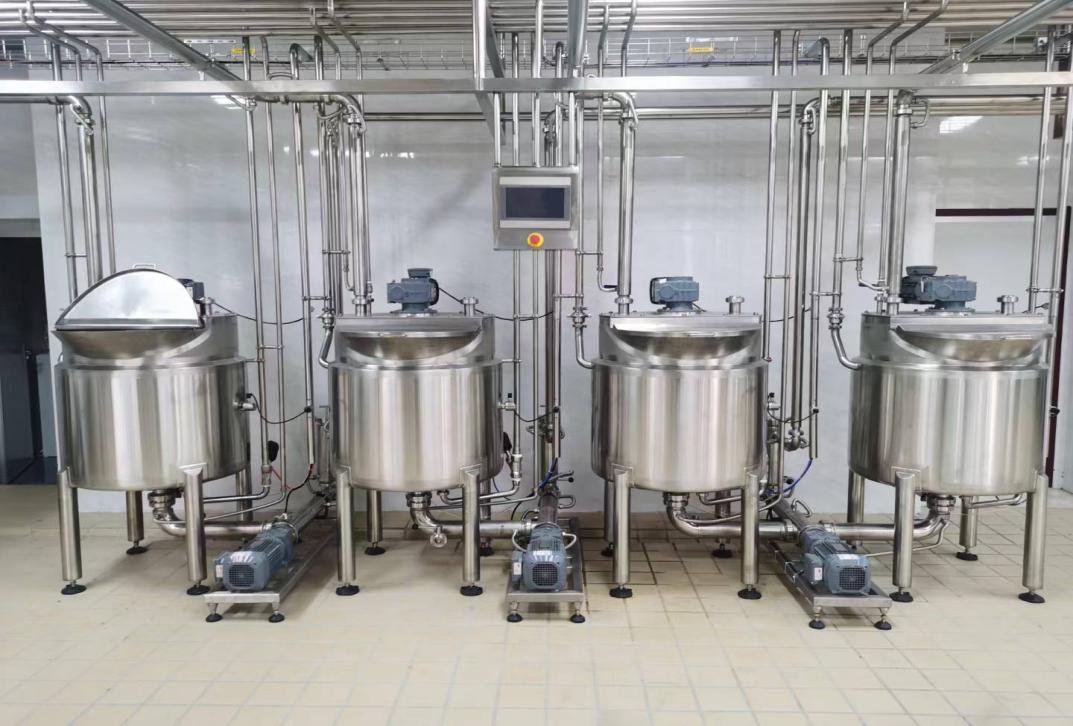
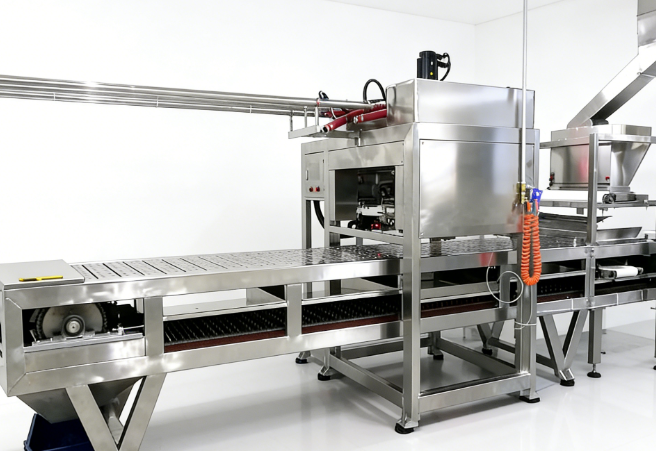
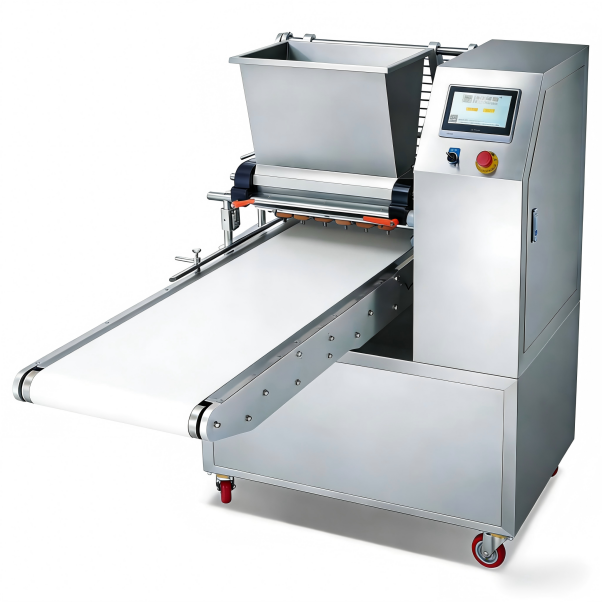
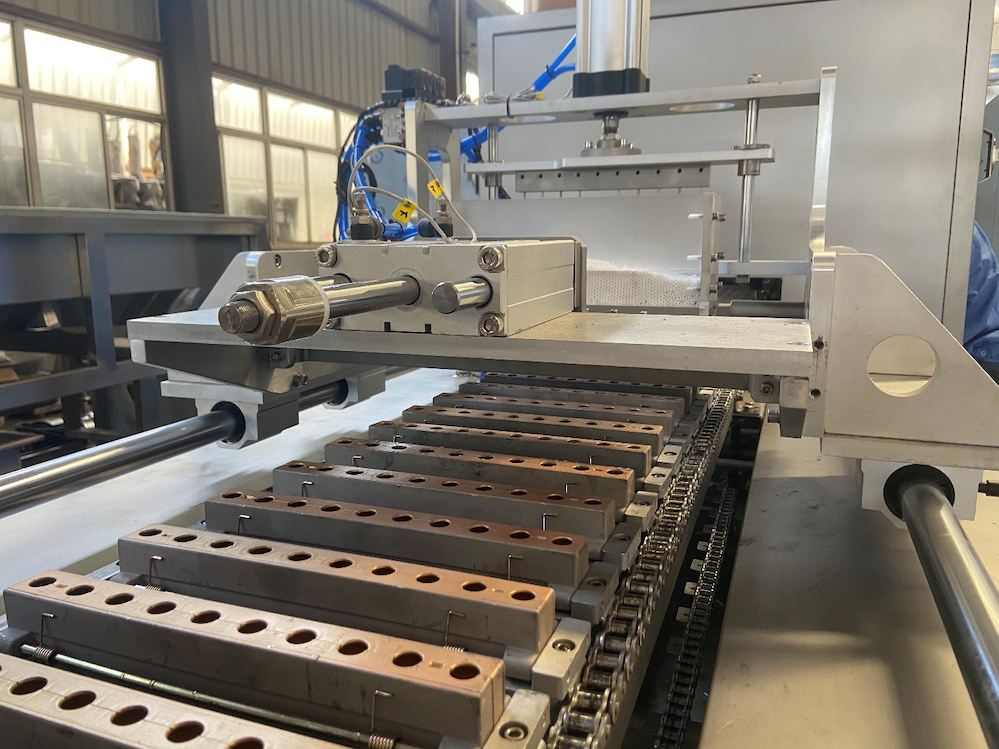
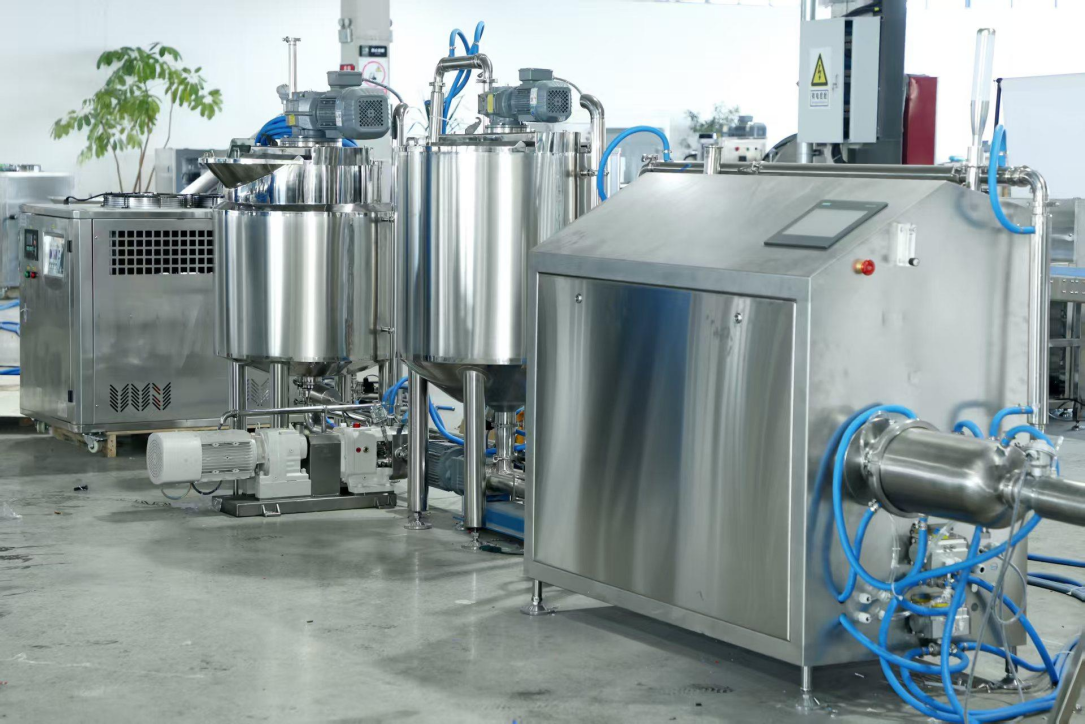
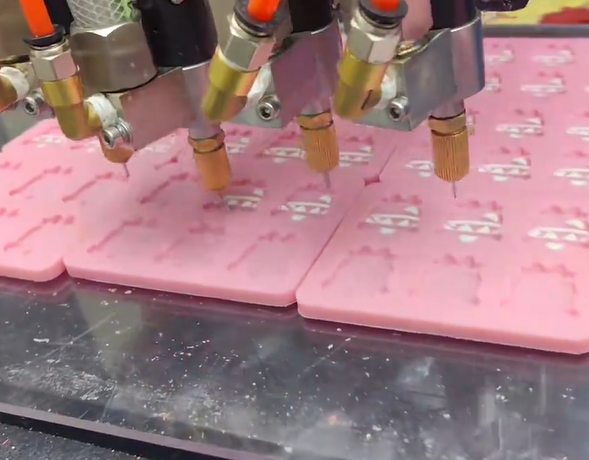
A custom-built marshmallow line is engineered from the ground up to align with a manufacturer’s precise specifications, integrating modular components like high-shear mixers, aerators, depositors, and enrobers tailored to unique aerated foam densities or deposition patterns. Unlike generic systems, these lines incorporate advanced automation, such as servo-driven depositors for intricate shapes and real-time sensors for quality assurance.
Key customization elements include scalable throughput—from 500 kg/hour for boutique runs to 5,000 kg/hour for high-volume—and adaptability to diverse ingredients, ensuring stability for fat-based or fruit-puree formulations. By leveraging simulation software during design, engineers can predict and mitigate issues like foam collapse or sticking, resulting in a seamless production flow.
Key Benefits of Customization
Transitioning to a custom line offers transformative advantages. First, it enhances product consistency, crucial for brand integrity. Customization minimizes variability in marshmallow cell structure, yielding uniform bite and melt profiles. Second, it boosts efficiency through reduced setup times and integrated cleaning-in-place (CIP) systems, cutting labor costs significantly.
To illustrate the multifaceted gains, consider the following list of primary benefits:
- Precision engineering for unique shapes, sizes, and flavors, enabling market differentiation.
- Scalable capacity to match fluctuating demand without overproduction.
- Energy-efficient designs that lower utility bills by optimizing heating and cooling cycles.
- Superior hygiene with stainless-steel constructions and seamless welds, easing FDA or EU compliance.
- Future-proof modularity for easy upgrades, extending equipment lifespan.
These benefits collectively address pain points, fostering a competitive edge in a saturated market.
Comparative Analysis Standard vs Custom Lines
Evaluating custom lines against standard ones reveals stark differences in performance metrics. The table below provides a side-by-side comparison based on typical industry data:
| Feature | Standard Line | Custom Line |
|---|---|---|
| Throughput Flexibility | Limited to preset recipes | Fully adjustable (200-5000 kg/hr) |
| Setup Time per Batch | 45-60 minutes | 10-15 minutes |
| Product Consistency | ±15% variation | ±2% variation |
| Customization Options | Basic add-ons | Bespoke design |
| ROI Timeline | 3-5 years | 1.5-3 years |
As shown, custom lines excel in adaptability and efficiency, justifying the initial investment through rapid payback periods. For example, a mid-sized producer reported a 40% throughput increase post-customization, highlighting tangible ROI.
Implementation Steps and Case Studies
Implementing a custom marshmallow line requires a structured approach. Begin with a detailed audit of current operations to identify gaps, followed by collaborative design phases with specialists. Prototyping and pilot testing ensure alignment before full-scale deployment. Post-installation, training and ongoing support solidify long-term success.
Real-world examples abound. A European gourmet brand overcame irregular extrusion for organic marshmallows by integrating a variable-speed depositor, slashing waste by 25%. Similarly, an Asian confectioner customized for tropical fruit variants, achieving 99% yield rates. These cases demonstrate how tailored lines resolve niche challenges, from allergen-free zoning to eco-friendly packaging integration.
Conclusion
In summary, a custom-built marshmallow line can indeed solve unique manufacturing challenges by delivering unparalleled flexibility, efficiency, and quality control. While the upfront costs may seem daunting, the long-term savings, market advantages, and operational resilience make it a strategic imperative for forward-thinking producers. As consumer demands evolve toward innovative, sustainable treats, investing in customization positions manufacturers not just to meet but to exceed expectations. Consult with experienced equipment providers to assess feasibility and embark on a path to optimized production.
Our Products
-

Braided Rainbow Marshmallow Ropes Production Line: Best Making Machine Factory & Supplier
-

Bulk Industrial Topping Marshmallows Production Line: Best Making Machine Factory & Supplier
-

Center-filled Fruit Jam Marshmallows Production Line: Best Making Machine Factory & Supplier
-

Chocolate Coated Marshmallow Biscuits Production Line: Best Making Machine Factory & Supplier
-

Custom Shape Die-cut Marshmallows Production Line: Best Making Machine Factory & Supplier
-
Dehydrated Crunchy Micro Marshmallows for Cereal Production Line: Best Making Machine Factory & Supplier