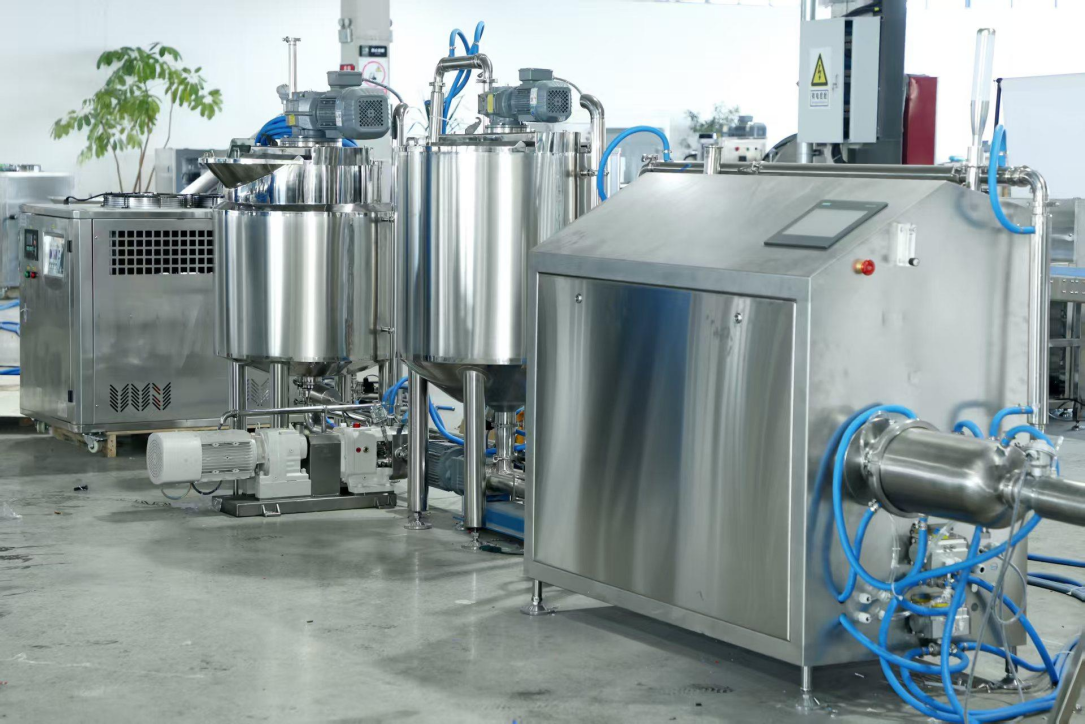
Acquiring a new production line represents a significant investment for any manufacturing business, promising enhanced efficiency, higher output, and competitive advantages. However, the journey from the supplier to your facility can be fraught with challenges, including damage risks, delays from customs, or logistical mishaps. Ensuring your new production line arrives safely and on time requires meticulous planning, reliable partnerships, and proactive measures. This article explores practical strategies to mitigate risks and streamline the process, helping you safeguard your investment and accelerate your operations.
Table of Contents
Selecting a Reliable Freight Forwarder
Choosing the right freight forwarder or logistics partner is the cornerstone of a successful delivery. A reputable forwarder with experience in heavy machinery and production equipment can handle complex international shipments. Look for companies with proven track records in your industry, strong networks of carriers, and certifications like ISO 9001 for quality management. Evaluate their references, insurance coverage, and technology capabilities for real-time tracking. By partnering early in the procurement process, you align expectations and customize solutions to your specific needs. This foundational step sets the tone for the entire logistics chain, transitioning seamlessly into preparation phases.
Comprehensive Packaging and Securing
Proper packaging is non-negotiable for protecting sensitive components like CNC machines, assembly robots, or conveyor systems during transit. Collaborate with your supplier to use industrial-grade crating, foam padding, and vibration-dampening materials. Sensitive electronics should be encased in anti-static wraps, while oversized parts require custom skids for forklift handling. Secure loose items with straps and braces to prevent shifting. Document the packaging process with photos and inventories for insurance claims if needed. This thorough preparation not only minimizes damage but also facilitates smoother customs inspections, paving the way for optimal transportation choices.
Choosing the Ideal Transportation Mode
The transportation method profoundly impacts both safety and timelines. Factors such as distance, equipment size, and urgency dictate whether to opt for ocean freight for cost-effectiveness, air freight for speed, or road/rail for domestic flexibility. For international shipments, full container load (FCL) services offer better security than less-than-container load (LCL). Below is a comparison table to guide your decision:
| Transportation Mode | Pros | Cons | Estimated Transit Time (Example: Asia to US) |
|---|---|---|---|
| Ocean Freight | Cost-effective for heavy loads; high capacity | Slower; weather-dependent | 20-40 days |
| Air Freight | Fastest option; lower damage risk | Expensive; weight/size limits | 3-7 days |
| Road/Rail | Flexible routing; door-to-door | Regional limitations; traffic delays | 5-15 days |
As illustrated, balancing cost, speed, and risk is essential. Consult your forwarder to hybridize modes, such as ocean to port followed by trucking, ensuring efficiency without compromising safety.
Streamlining Customs and Documentation
Delays at customs can derail timelines, so proactive documentation is critical. Compile all necessary paperwork well in advance: commercial invoices, packing lists, bills of lading, certificates of origin, and compliance declarations for hazardous materials if applicable. Engage a customs broker experienced in your product’s Harmonized System (HS) codes to pre-clear shipments. Digital tools like electronic data interchange (EDI) expedite filings. By anticipating regulatory hurdles, you avoid costly detentions, smoothly handing off to tracking protocols.
Implementing Real-Time Tracking and Communication
Visibility throughout the journey empowers quick responses to issues. Demand GPS-enabled tracking from your logistics provider, integrated with user-friendly portals or apps for updates on location, temperature, and humidity if climate-controlled transport is required. Establish clear communication channels with weekly status reports and 24/7 emergency contacts. Foster collaboration among supplier, forwarder, and your team via shared platforms. This transparency builds confidence and allows interventions, such as rerouting around port congestions, keeping deliveries on schedule.
Insurance Coverage and Risk Mitigation
Even with precautions, unforeseen events like accidents or theft occur. Secure all-risk cargo insurance covering your production line’s full value, including installation costs. Review policies for exclusions, such as improper packaging, and opt for extended terms if disassembly/reassembly is involved. Conduct risk assessments for each leg of the journey and implement contingencies, like backup carriers. These measures provide financial peace of mind, transitioning focus to final preparations.
Preparing for Unloading and Installation
Your role culminates in site readiness. Clear pathways, reinforce floors for heavy loads, and schedule cranes or rigging services in advance. Coordinate with installation teams from the supplier for synchronized arrival. Perform pre-delivery inspections against inventories and photos. To ensure a flawless handover, follow these ordered steps:
- Confirm delivery window 48 hours prior and alert all stakeholders.
- Inspect exterior packaging upon arrival before unloading.
- Verify contents match documentation using checklists.
- Document any discrepancies with photos and notify carriers immediately.
- Proceed to controlled unloading with safety protocols.
This systematic approach prevents last-minute chaos and accelerates commissioning.
In conclusion, ensuring your new production line arrives safely and on time demands a holistic strategy encompassing partner selection, robust preparation, strategic transport, vigilant oversight, and meticulous execution. By integrating these elements—from expert freight forwarders and superior packaging to comprehensive insurance and site readiness—you minimize risks and maximize reliability. Ultimately, this diligence not only protects your capital investment but also propels your business toward faster productivity gains. Start planning today, and transform potential pitfalls into a seamless success story.
Our Products
-

Braided Rainbow Marshmallow Ropes Production Line: Best Making Machine Factory & Supplier
-

Bulk Industrial Topping Marshmallows Production Line: Best Making Machine Factory & Supplier
-

Center-filled Fruit Jam Marshmallows Production Line: Best Making Machine Factory & Supplier
-

Chocolate Coated Marshmallow Biscuits Production Line: Best Making Machine Factory & Supplier
-

Custom Shape Die-cut Marshmallows Production Line: Best Making Machine Factory & Supplier
-
Dehydrated Crunchy Micro Marshmallows for Cereal Production Line: Best Making Machine Factory & Supplier